Dambakola Patuna is one of the oldest and most spiritually significant coastal sites in Sri Lanka. Situated on the northern tip of the island in the Jaffna District, this ancient harbour is traditionally identified as the landing point where Sanghamitta Theri — daughter of Emperor Ashoka — arrived from India in the 3rd century BCE, bringing with her a sapling of the sacred Bodhi tree. That sapling, once planted in Anuradhapura, grew into the Sri Maha Bodhi, which stands to this day as one of Buddhism's most venerated living monuments. For pilgrims and historians alike, Dambakola Patuna marks the beginning of a thread that runs through the entire fabric of Sri Lankan civilisation.
What is the historical significance of Dambakola Patuna?
The site is closely associated with two pivotal events in the introduction of Buddhism to Sri Lanka. The first was the arrival of Mahinda Thera, who is credited with bringing the Dhamma to King Devanampiya Tissa around 247 BCE, though most accounts place his landing at Mihintale rather than here. Dambakola Patuna is more specifically linked to the arrival of Sanghamitta Theri, who established the Bhikkhuni order — ordaining women into the Buddhist monastic community — and brought the southern branch of the Bodhi tree to the island.
Historical chronicles, including the Mahavamsa, refer to this port under several ancient names, and archaeological evidence suggests it was a functioning harbour well before the Common Era. Today the site is recognised as an important point along the arc of early South Asian maritime history, connecting Sri Lanka to the Indian subcontinent through both trade and religion.
What can visitors see and do at Dambakola Patuna?
The centrepiece of the site is a small but active Buddhist temple that marks the traditionally accepted landing spot. The shrine is modest in scale yet carries considerable devotional weight, drawing pilgrims from across the island — particularly from Sinhalese Buddhist communities who regard Sanghamitta Theri's arrival as a foundational moment in their religious identity.
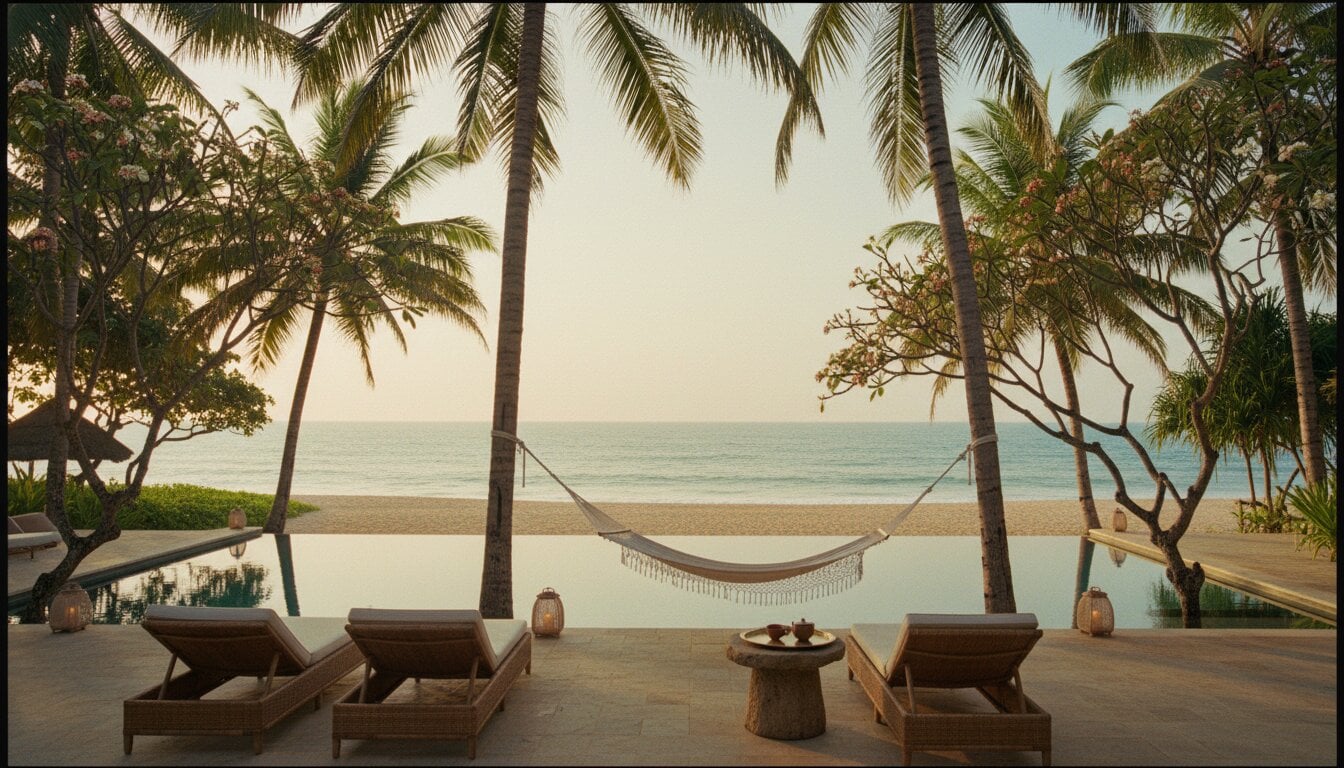
Beyond the temple, the surrounding coastline offers a quiet, largely undeveloped stretch of shoreline. The landscape is flat and open, with palm-fringed beaches giving way to shallow coastal waters. There are no large resort complexes or busy promenades here — the atmosphere is reflective and unhurried, making it well-suited to those who want to engage with the site's spiritual atmosphere rather than tourist infrastructure.
- Temple visit: Observe the shrine and learn about Sanghamitta Theri's role in establishing Buddhism in Sri Lanka.
- Coastal walk: The shoreline around the site is peaceful and relatively accessible on foot.
- Photography: The interplay of the modest temple structure against the open northern coastline makes for compelling images, particularly in early morning light.
- Reflection and meditation: Many pilgrims use the site specifically for quiet contemplation; the absence of commercial development supports this.
How do I get to Dambakola Patuna from Jaffna?
Dambakola Patuna lies roughly 35 kilometres north of Jaffna city, near the town of Kankesanthurai on the Jaffna Peninsula. The most straightforward approach is by private vehicle via the A9 or coastal roads through the peninsula. Road conditions in the northern province have improved considerably since the end of the civil conflict, and the drive from Jaffna typically takes around an hour depending on the route taken. Public bus services connect Jaffna to Kankesanthurai, from where the site can be reached by three-wheeler.
If you are travelling from Colombo, the overnight train to Jaffna is a practical and scenic option. From Jaffna, onward travel to the site is best arranged through a local driver or as part of a broader northern itinerary. A private car with an experienced driver remains the most efficient way to combine Dambakola Patuna with other northern landmarks.
When is the best time to visit Dambakola Patuna?
The northern province has a distinct climate pattern. The dry season runs roughly from May to September, while the northeast monsoon brings rain between October and January. Practically speaking, the most comfortable period for visiting is between February and August, when temperatures are warm but rainfall is low. December and January can be wet in the north, making access to coastal sites less predictable.
Pilgrimage activity tends to increase around Unduvap Poya — the full moon day in December — which commemorates Sanghamitta Theri's arrival with the Bodhi sapling. Visiting around this time offers a richer cultural experience, though the site itself remains relatively uncrowded compared to major southern pilgrimage destinations.
What other sites can I combine with a visit to Dambakola Patuna?
The Jaffna Peninsula holds a concentration of historical and cultural landmarks worth exploring alongside Dambakola Patuna. The Nallur Kandaswamy Kovil is one of the most important Hindu temples in Sri Lanka and lies within Jaffna city. The Jaffna Fort, a Dutch colonial-era structure, offers a contrasting layer of history. Further south, Polonnaruwa represents a later chapter in Sri Lanka's Buddhist civilisation and pairs well thematically with the story that begins at Dambakola Patuna.
For those interested in Buddhism's physical monuments across the island, the stupas of the ancient cities form a natural extension of any pilgrimage itinerary that includes this northern site.
Is Dambakola Patuna appropriate for all visitors?
The site is open to visitors of all backgrounds and beliefs, though it functions primarily as a place of religious significance rather than a conventional tourist attraction. Modest dress is expected when entering the temple precinct — shoulders and knees should be covered, and footwear is removed before entering shrine areas. There are limited facilities on-site: no large restaurants, souvenir shops, or visitor centres. Carrying water and any necessary supplies is advisable, particularly if combining the visit with other coastal sites in the peninsula.
Children and elderly visitors can manage the site comfortably, as the terrain is flat and distances on foot are short. The quiet atmosphere makes it particularly suitable for travellers seeking an experience removed from the more heavily commercialised parts of Sri Lanka's heritage circuit.
Nearby places
10 places within about 25 km, nearest first.
- Kankesanthuraiunder 1 km
- Kankesanthurai Beachunder 1 km
- Maviddapuram Kandaswamy Kovilunder 1 km
- Naguleswaram Templeunder 1 km
- Kankesanthurai Seaportunder 1 km
- Kankesanthurai Railway Station2 km
- Kovilan Point Lighthouse4 km
- Jaffna International Airport (JAF)5 km
- Palali Airport5 km
- Eelathu Chithambaram Karainagar Sivan Temple7 km