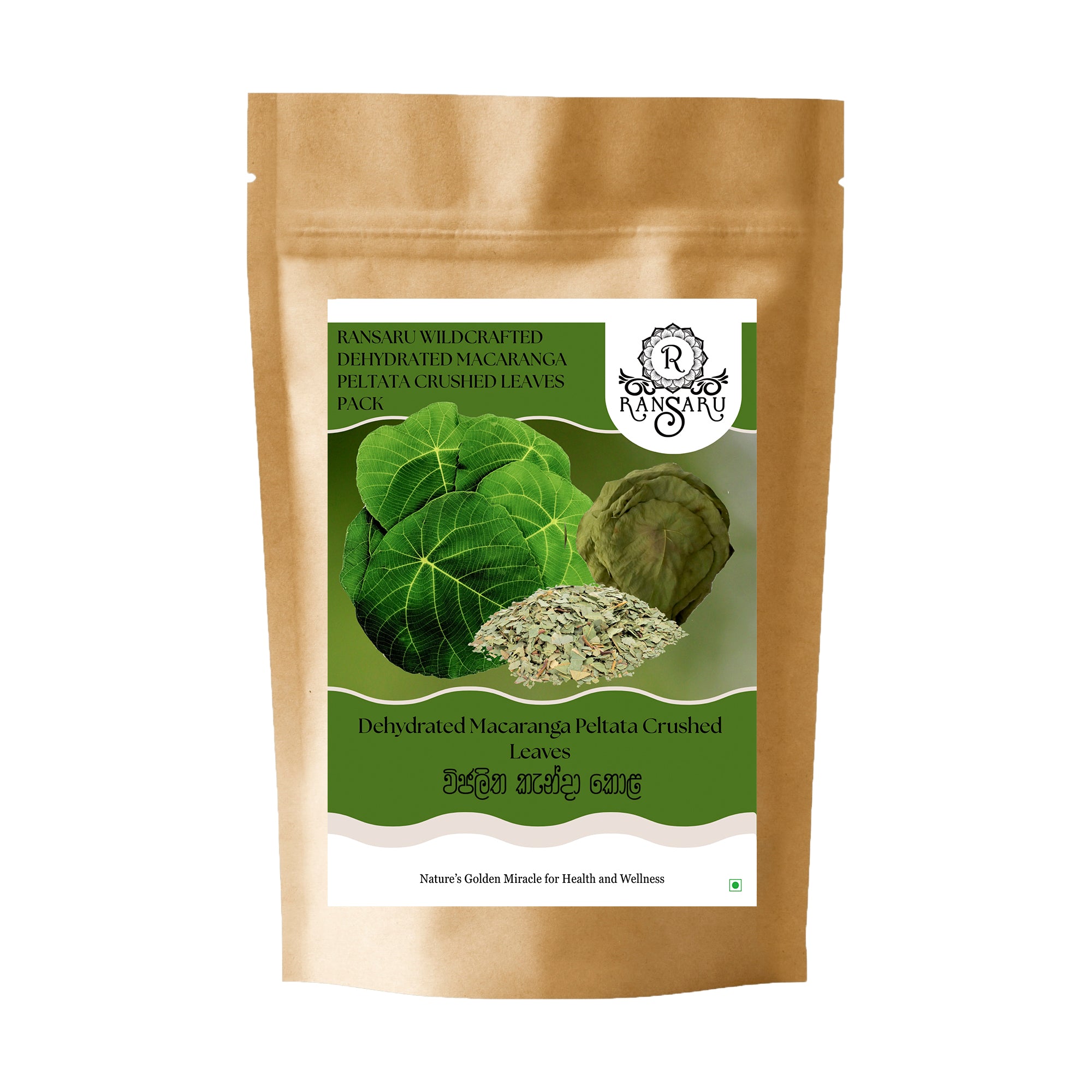




Cyclea peltata is a woody climbing plant native to tropical Asia, including Sri Lanka, where it holds a recognised place in the island's long tradition of Ayurvedic and traditional medicine. Known locally by several vernacular names, this vine grows across moist lowland and mid-elevation forests and has been used by traditional healers for generations as a remedy for a range of ailments. Its inclusion in Sri Lanka's catalogue of Ayurvedic medicinal plants reflects the depth and diversity of the island's botanical heritage.
What is Cyclea peltata and where does it grow in Sri Lanka?
Cyclea peltata belongs to the family Menispermaceae, a group of flowering plants that includes several species valued in traditional medicine across South and Southeast Asia. The plant is a slender, twining vine with peltate leaves — meaning the leaf stalk attaches to the underside of the leaf blade rather than the edge, giving the foliage a distinctively rounded, shield-like appearance. Small greenish or white flowers appear in panicles, and the plant produces small drupes as fruit.
In Sri Lanka, Cyclea peltata is typically found in humid, shaded environments: the edges of rainforests, secondary growth vegetation, and the fringes of wet-zone forests. It thrives in areas with reliable rainfall and well-drained, organic-rich soils. The plant's natural range in Sri Lanka overlaps substantially with the wet zone and parts of the intermediate zone, where traditional plant knowledge has been practised and transmitted for centuries.
What are the traditional and Ayurvedic uses of Cyclea peltata?
In Sri Lankan Ayurveda, Cyclea peltata is valued primarily for its roots and leaves, which are prepared in various formulations. Traditional practitioners have historically used preparations from this plant to address conditions involving fever, inflammation, and digestive complaints. The plant contains alkaloids — most notably tetrandrine and related compounds — which have attracted scientific interest for their pharmacological properties.
- Anti-inflammatory action: Root extracts are traditionally prepared as decoctions believed to reduce inflammation and associated discomfort.
- Antipyretic use: The plant is referenced in traditional texts as useful in managing fever, consistent with its classification as a cooling herb.
- Digestive support: Preparations from the plant have been used to address digestive irregularities, including flatulence and mild intestinal complaints.
- Antimicrobial potential: Preliminary laboratory research has explored the plant's extracts for activity against certain microorganisms, though clinical evidence in humans remains limited.
As with many Ayurvedic medicinal plants, the whole plant ecosystem matters. Cyclea peltata is rarely used in isolation; instead, traditional formulations often combine it with complementary herbs. Sri Lanka's rich pharmacopoeia, which also includes well-documented plants such as Acacia chundra and Pongamia pinnata, reflects a holistic philosophy of plant-based healing.
How is Cyclea peltata related to other plants in its family?
The Menispermaceae family contains numerous medicinally active genera. Cyclea is closely related to genera such as Tinospora, Stephania, and Cissampelos, all of which appear in South Asian traditional medicine systems. Several of these plants share a biochemical profile rich in isoquinoline alkaloids, which account for many of their observed pharmacological effects.
Within Sri Lanka, the presence of multiple Menispermaceae species in the same forest zones means that traditional healers have sometimes used related species interchangeably or in combination. Accurate botanical identification matters greatly in this context, as closely related species can have differing potency or safety profiles.
What does modern research say about Cyclea peltata?
Scientific interest in Cyclea peltata has grown as researchers attempt to validate traditional uses through phytochemical and pharmacological studies. Alkaloids isolated from the plant have demonstrated anti-inflammatory, antioxidant, and antimicrobial activity in laboratory settings. Some studies have also investigated potential antitumour properties of the plant's alkaloid fractions, though this line of research remains at an early stage.
It is important to distinguish between in-vitro findings — those observed in laboratory conditions — and clinically proven therapeutic effects in humans. Current evidence is promising but not yet sufficient to recommend Cyclea peltata preparations as standalone treatments for any specific condition. Consultation with a qualified Ayurvedic practitioner is advisable before using any preparation derived from this plant.
How does Cyclea peltata fit into Sri Lanka's broader medicinal plant heritage?
Sri Lanka's forests and gardens support one of the most diverse collections of medicinal plants in the Asian region. The island's Ayurvedic tradition, which has been practised continuously for well over two thousand years, draws on this botanical wealth systematically. Government institutions, including the Department of Ayurveda, maintain official catalogues and pharmacopoeia standards that include plants such as Cyclea peltata, ensuring that traditional knowledge is documented and, where appropriate, protected.
Visitors to Sri Lanka with an interest in herbal medicine can explore this heritage through Ayurvedic wellness centres, forest walks in conservation areas such as the Sinharaja Forest Reserve, and cultural encounters with traditional practitioners. Sri Lanka's wet-zone forests, in particular, function as living repositories of plant biodiversity — many species catalogued in Ayurvedic texts can still be found growing wild in these habitats.
Sustainable harvesting and habitat preservation are central concerns for plants like Cyclea peltata. Growing demand for herbal products, combined with forest clearance, can place pressure on wild populations. Ethical wildcrafting — harvesting in ways that do not deplete natural stocks — is increasingly emphasised by both conservation organisations and responsible producers.
How is Cyclea peltata harvested and prepared?
Traditional harvesting of Cyclea peltata focuses on the roots and, to a lesser extent, the aerial parts of the plant. Roots are typically cleaned, dried, and either powdered or prepared as a water-based decoction. The drying process is important for preserving the integrity of the active compounds and preventing microbial contamination.
Modern producers sometimes offer dried or powdered plant material in standardised forms, which allows for more consistent dosing than traditional hand-prepared decoctions. When selecting any Cyclea peltata product, look for transparent sourcing information, ethical wildcrafting certification, and clear guidance on intended use from the manufacturer.
Related reading
1 pages on closely related subjects.