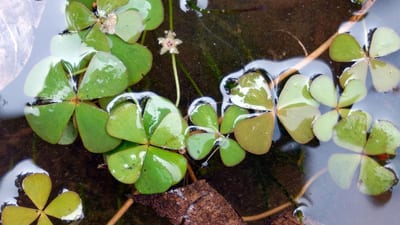
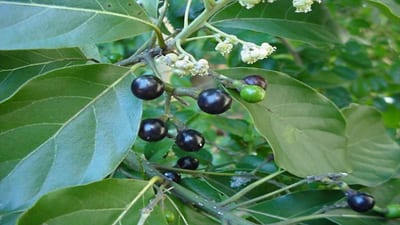
Cryptocoryne undulata is a species of aquatic flowering plant in the family Araceae, known in Sinhala as Athiudayan (අති-උදයන්). It is endemic to Sri Lanka, meaning it grows naturally nowhere else on earth, and it is currently listed as Critically Endangered on Sri Lanka's National Conservation Status list (NCS-2012).
What does Cryptocoryne undulata look like?
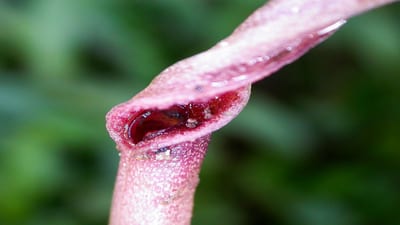
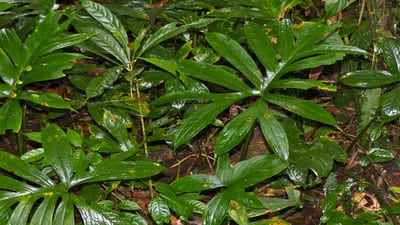
Like other members of the genus Cryptocoryne, this species is a low-growing aquatic herb typically found submerged or partly submerged in freshwater habitats. Plants in the Araceae family are generally characterised by simple, often lance-shaped or ribbon-like leaves arising from a basal rosette, and by a distinctive spathe-and-spadix flower structure typical of the arum family. The species name undulata refers to a wavy or undulating leaf margin, a trait commonly seen across the genus.
Where does Cryptocoryne undulata grow?
As an aquatic member of the Araceae, Cryptocoryne species root in submerged substrates in slow-moving or still freshwater bodies such as streams and pools. Cryptocoryne as a genus is native to South and Southeast Asia, with Sri Lanka hosting several endemic species found only within the island's freshwater systems.
What is its conservation status?
Cryptocoryne undulata is classified as Critically Endangered according to the National Conservation Status list of Sri Lanka (2012). This is the most severe threat category below extinction in the wild, indicating a very high risk that the species could disappear from its natural habitat.
What is it called in Sinhala?
The plant's local Sinhala name is Athiudayan (අති-උදයන්). This is the name recorded for the species in Sri Lanka's indigenous plant register.
Is Cryptocoryne undulata used for food?
No edible parts are recorded for this species. It should not be considered a food plant.
| Attribute | Detail |
|---|---|
| Scientific name | Cryptocoryne undulata |
| Family | Araceae |
| Sinhala / local name | Athiudayan (අති-උදයන්) |
| Status in Sri Lanka | Endemic |
| Conservation status | Critically Endangered (NCS-2012) |
| Edible parts | None |
Other species in this genus
9 more, sharing the same genus.