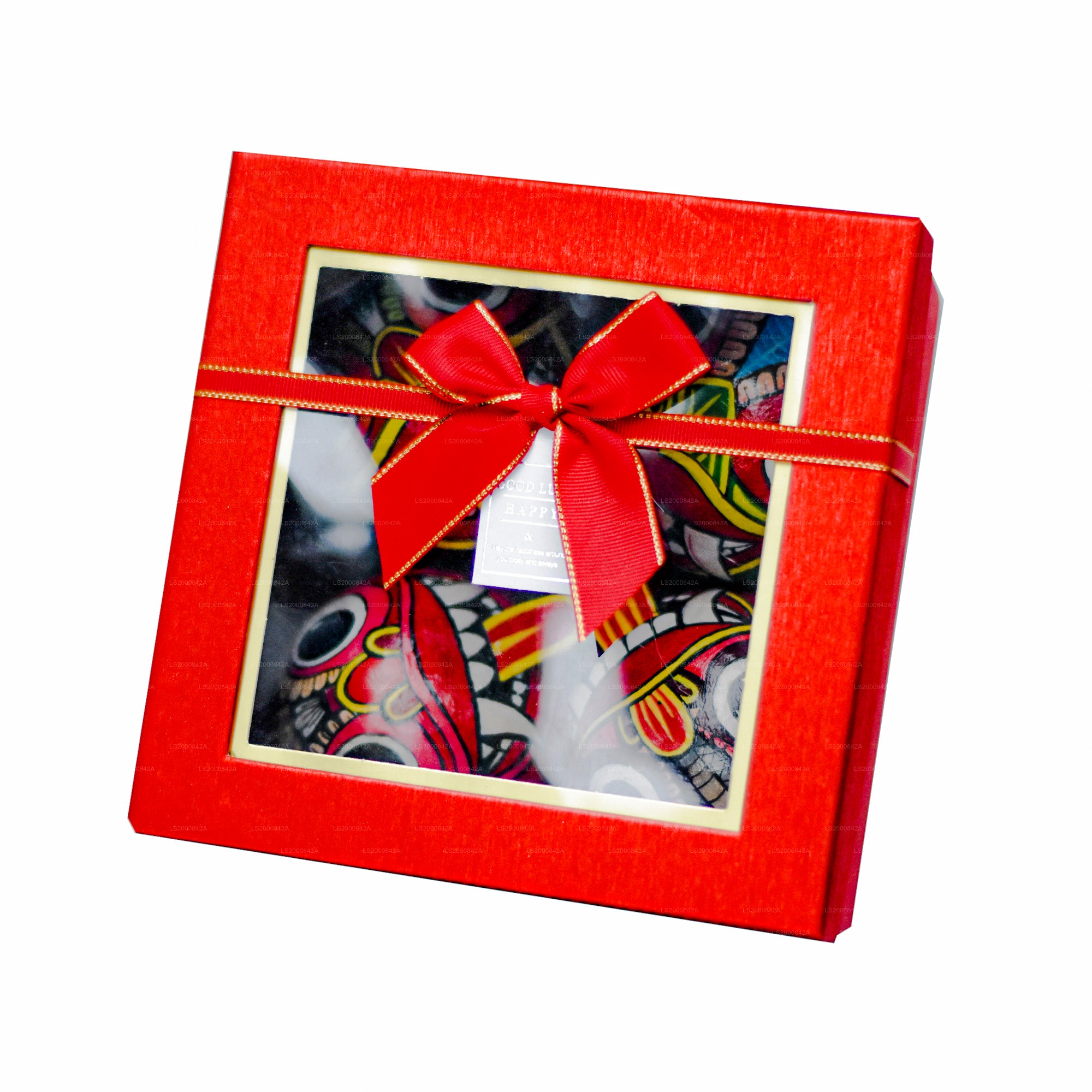
The coconut palm is one of Sri Lanka's most important natural assets, and almost nothing goes to waste. The hard outer shell of the coconut — often discarded after the flesh and water are extracted — turns out to be one of its most industrially and artistically valuable parts. Dense, heat-resistant, and fully biodegradable, the coconut shell has found a place in everything from high-tech water filtration to hand-turned tableware sold in craft markets across the island.
What Makes Coconut Shells So Useful?
Coconut shells are structurally unlike most organic byproducts. Their cell structure is tight and lignin-rich, giving them a hardness comparable to some tropical hardwoods while remaining completely renewable. This combination of durability, low moisture absorption, and natural heat resistance explains why industries ranging from metallurgy to cosmetics have found applications for them.
Key physical properties include:
- High carbon content — typically around 45–50% by dry weight
- Low ash content after combustion, making the resulting charcoal very pure
- A smooth inner surface that takes both polish and paint well
- Natural resistance to cracking under moderate heat
Sri Lanka, as one of the world's leading coconut-producing nations, generates millions of shells annually. Transforming that byproduct into a value-added material is both economically sensible and ecologically sound — it reduces agricultural waste while creating livelihoods across the craft and manufacturing sectors. The parent plant, Cocos nucifera, has been cultivated in Sri Lanka for centuries and remains a cornerstone of rural economies in the North Western and Western provinces.
How Are Coconut Shells Used in Industry?
Industrial applications account for a large share of coconut shell utilisation worldwide, and Sri Lanka is an active exporter of coconut shell–derived materials.
Activated Carbon
This is arguably the highest-value industrial use. Coconut shell activated carbon is produced by carbonising the shell at high temperatures and then activating it — usually with steam — to create an extraordinarily porous material. One gram of activated carbon can have a surface area exceeding 1,000 square metres, making it highly effective at trapping contaminants. It is used in drinking-water purification systems, air filters, gold recovery in mining, pharmaceutical processing, and even in gas masks. Sri Lankan manufacturers export activated carbon in significant volumes to markets in Europe, Japan, and North America.
Charcoal and Biomass Fuel
Coconut shell charcoal burns at a higher temperature and for longer than most wood charcoals, with less smoke. In Sri Lanka it is used domestically as cooking fuel and is also exported as a premium barbecue charcoal. Because coconut shells are a byproduct rather than a harvested resource, this use is considered relatively low-impact from a sustainability standpoint.
Abrasives and Fillers
Ground coconut shell flour and powder are used as a natural filler in composite materials, rubber products, and brake linings. The fine powder is also added to biodegradable scrubbing pads and exfoliating cosmetic products as an alternative to synthetic microbeads.
What Handicrafts and Household Items Are Made from Coconut Shells?
Sri Lanka has a long tradition of coconut shell craft, particularly in coastal and rural communities where artisans shape, polish, and sometimes paint the shells into functional objects. The craft requires minimal machinery and uses tools that have remained largely unchanged for generations.
Common products include:
- Bowls and dishes — halved shells are sanded and lacquered to serve as salad bowls, rice bowls, or condiment dishes
- Spoons and ladles — the naturally curved inner surface of the shell is ideal for scooping
- Cups and teacups — smaller shells or precisely cut sections are fitted with handles and used as drinking vessels
- Hair accessories — thin shell sections are cut, shaped, and polished into hair clips, combs, and bangles
- Candles and holders — the half-shell makes a naturally stable candle vessel that resists heat well
- Decorative masks — artists paint traditional Sri Lankan Raksha masks (Mayura, Maru, Agni, Naga) directly onto coconut shells, creating lightweight and distinctive wall pieces
- Musical instruments — the resonant properties of the shell are used in traditional string instruments across South and Southeast Asia
The appeal of these items in both local and international markets lies in their authenticity: no two shells are identical, so no two finished pieces are exactly alike.
How Are Coconut Shells Used in Gardening and Agriculture?
Crushed or chipped coconut shells make an effective organic mulch. Spread around the base of plants, they suppress weed growth, retain soil moisture, and break down slowly — adding organic matter to the soil over time without causing the pH imbalance that some wood-chip mulches can create. Gardeners in Sri Lanka have used this technique for generations, and the practice is now recognised in commercial horticulture as a sustainable alternative to peat-based mulches.
Coarse coconut shell chips are also used as a growing medium for orchids and epiphytic plants, providing the drainage and aeration those root systems require.
Are Coconut Shells Eco-Friendly?
By most measures, yes. Coconut shells are a byproduct: the tree is grown primarily for its water, flesh, and oil. Using the shell prevents waste that would otherwise end up in landfill or burned openly. Because the coconut palm is a perennial crop that does not require annual replanting, the overall carbon footprint of the shell as a raw material is very low.
However, not all coconut shell products are equally sustainable. Activated carbon production is energy-intensive, and the environmental credentials of the final product depend heavily on how the manufacturing facility is powered. Craft items that require minimal processing — bowls, cups, hair accessories — have a much lighter industrial footprint.
When purchasing coconut shell products, looking for items made by small-scale Sri Lankan artisans supports local livelihoods and keeps the craft tradition alive, while also reducing the supply chain between raw material and finished product.
What Is the Cultural Significance of Coconut Shells in Sri Lanka?
In Sri Lanka, the coconut palm is sometimes called the "tree of a thousand uses", and the shell has a place in that count. Historically, polished half-shells served as drinking vessels in rural households before imported glassware became widely available. They also appear in traditional medicine: coconut shell charcoal, known locally as pol katu anguru, has been used in Ayurvedic preparations and as a remedy for digestive complaints.
In ritual contexts, the shell's half-dome shape has symbolic resonance — it appears in certain temple offerings and in the traditional kitchen hearths of rural homes. Contemporary Sri Lankan designers are revisiting these roots, incorporating shell-based materials into homewares and jewellery that reference this heritage while meeting modern sustainability expectations.
How Can Travellers Engage with Sri Lanka's Coconut Shell Craft Tradition?
Markets in Colombo, Kandy, Galle, and Negombo all carry coconut shell goods, ranging from simple polished bowls to elaborately carved and painted decorative pieces. Quality varies considerably, so look for items with an even finish, no visible cracks running through the shell, and a lacquer or oil coating that seals the surface properly.
Some rural tourism experiences — particularly village tours in the Kurunegala and Gampaha districts — include demonstrations of coconut processing where guides show visitors how the shell is separated, dried, and shaped. These visits offer a more grounded understanding of where the finished product comes from than a craft-market purchase alone.
Related reading
7 pages on closely related subjects.