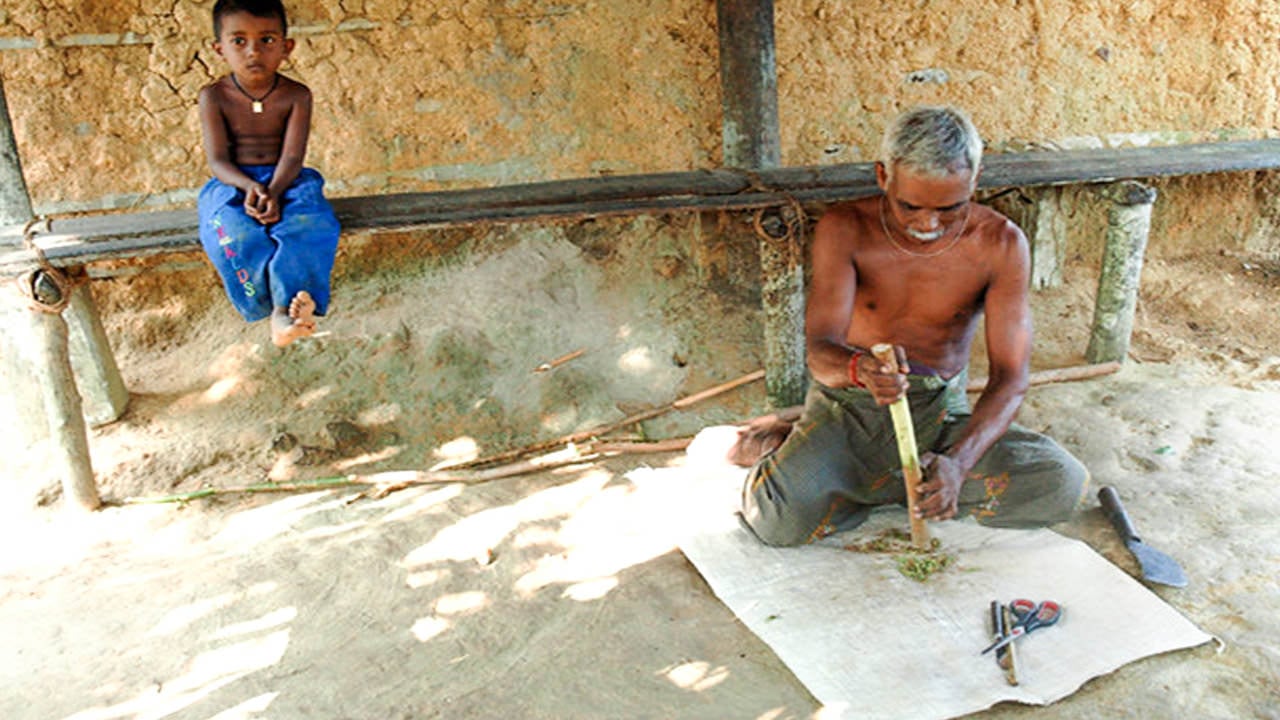
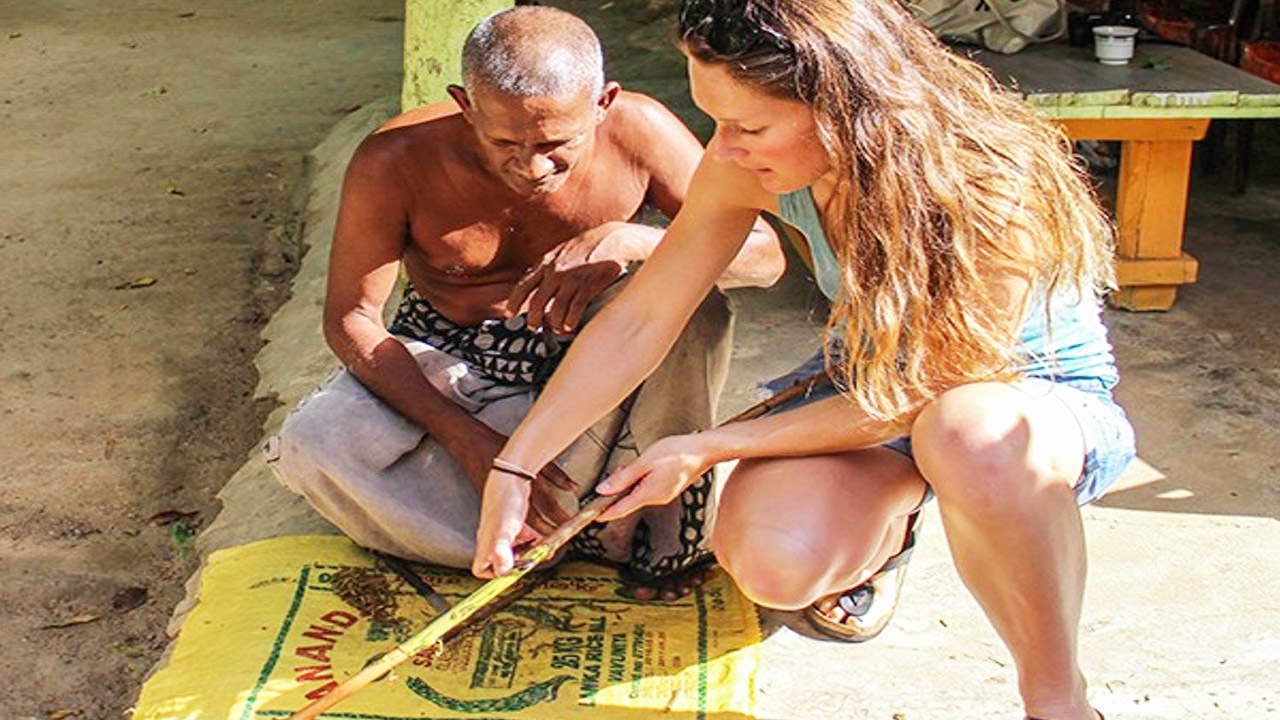
Tucked into the waterways near Bentota in Sri Lanka's Southern Province, Cinnamon Island is one of the few places on earth where you can watch true Ceylon cinnamon — Cinnamomum verum — being cultivated, harvested, and processed entirely by hand. A visit here is less a tourist attraction and more a living classroom, run by families whose knowledge of the spice trade has been passed down across generations.
What makes Ceylon cinnamon different from ordinary cinnamon?
Most of the cinnamon sold globally is Cinnamomum cassia, grown in China and Vietnam. True Ceylon cinnamon, sometimes called "soft-stick" or "real" cinnamon, comes almost exclusively from Sri Lanka and has a noticeably lighter colour, a delicate, slightly sweet flavour, and far lower coumarin content. It has been traded from the island for more than two thousand years — Arab merchants, the Portuguese, the Dutch, and the British each fought for control of the trade at various points in Sri Lanka's colonial history.
Bentota and its surrounding lowland areas in the Southern Province remain among the most productive cinnamon-growing regions in the country. The combination of sandy, well-drained coastal soil and a warm humid climate creates near-ideal conditions for the crop.
What can you see and do at Cinnamon Island?
Visits are typically arranged with a local cinnamon-growing family who guide you through the full production cycle on their working plantation. The experience covers:
- Growing and harvesting — learning to identify mature cinnamon shoots, usually two to three years old, that are ready to be cut
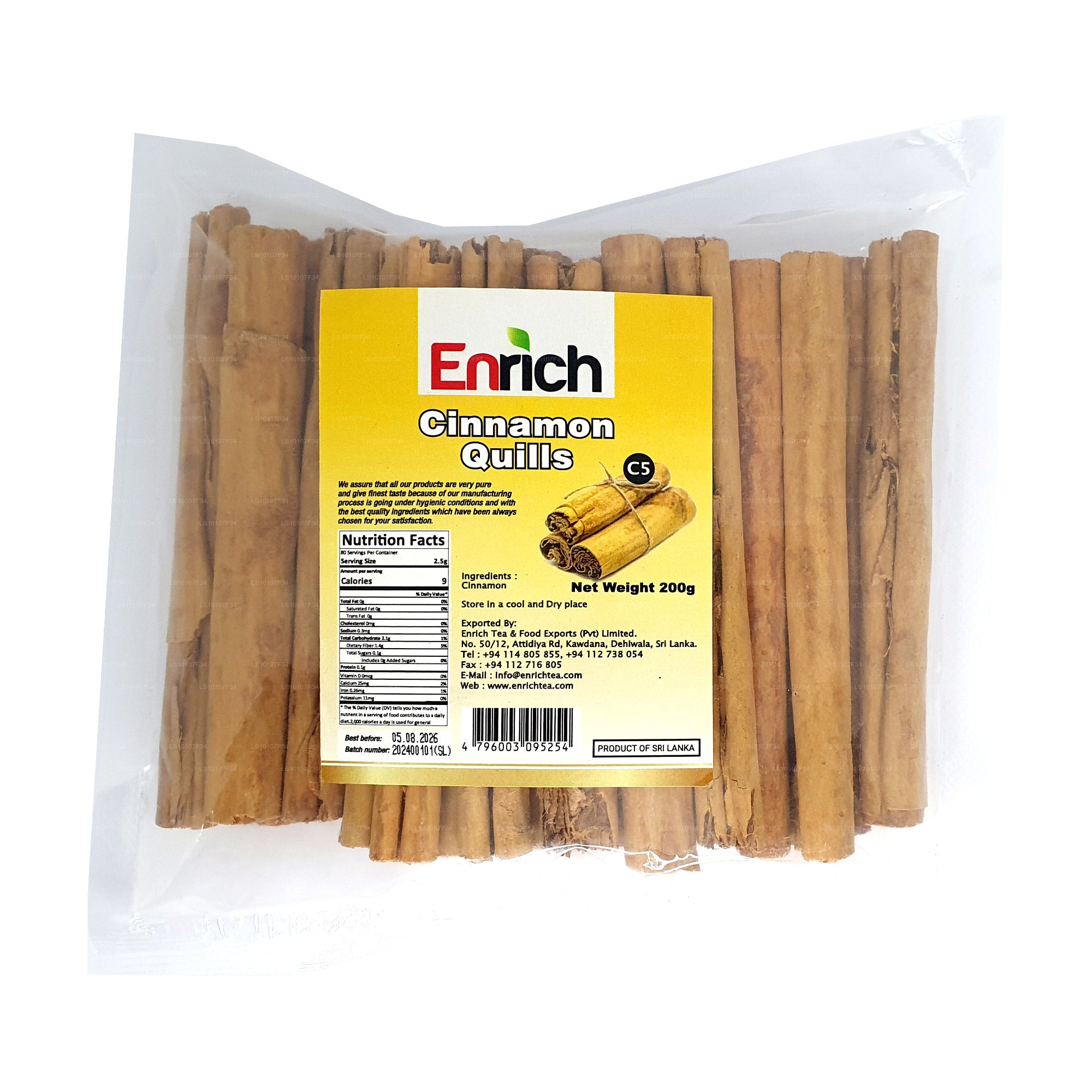
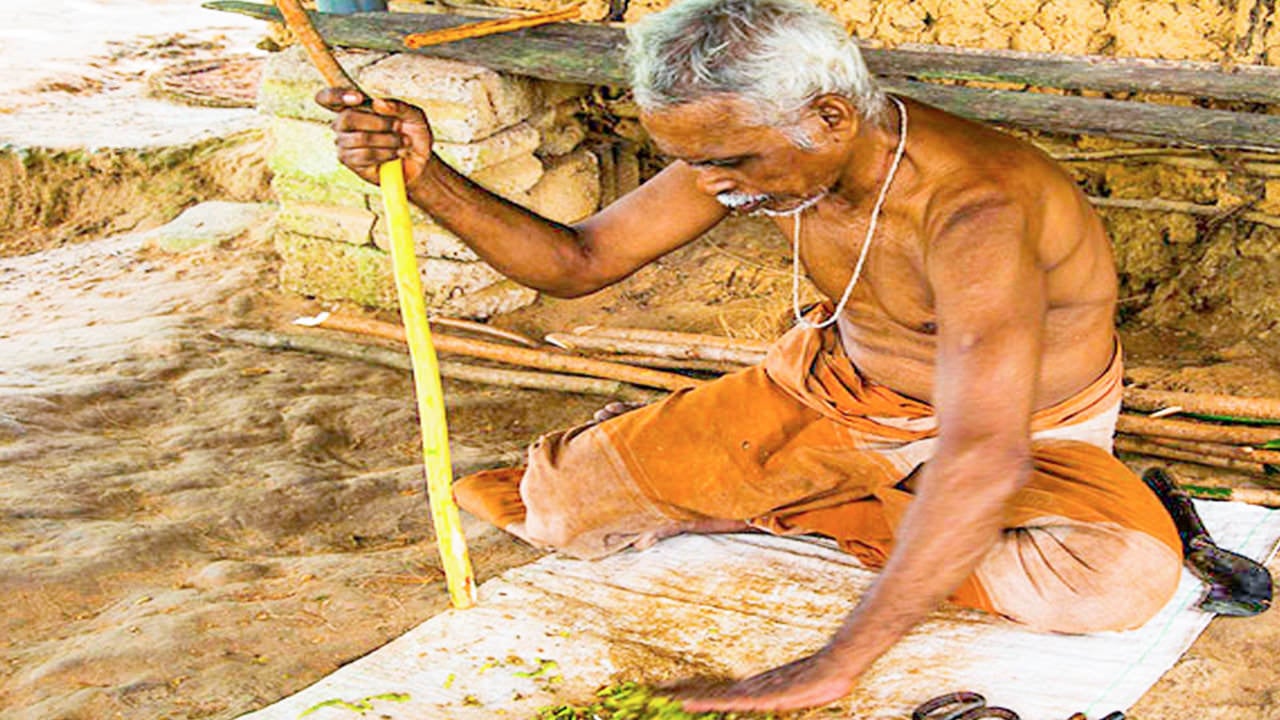
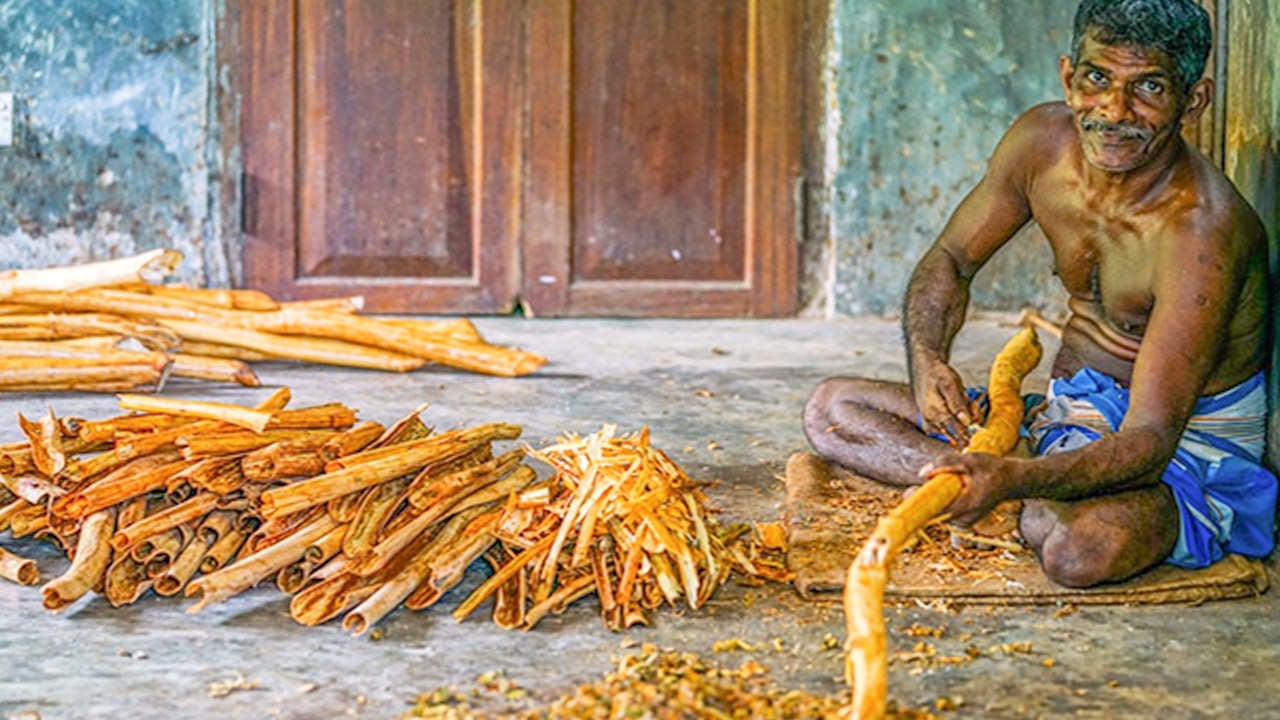
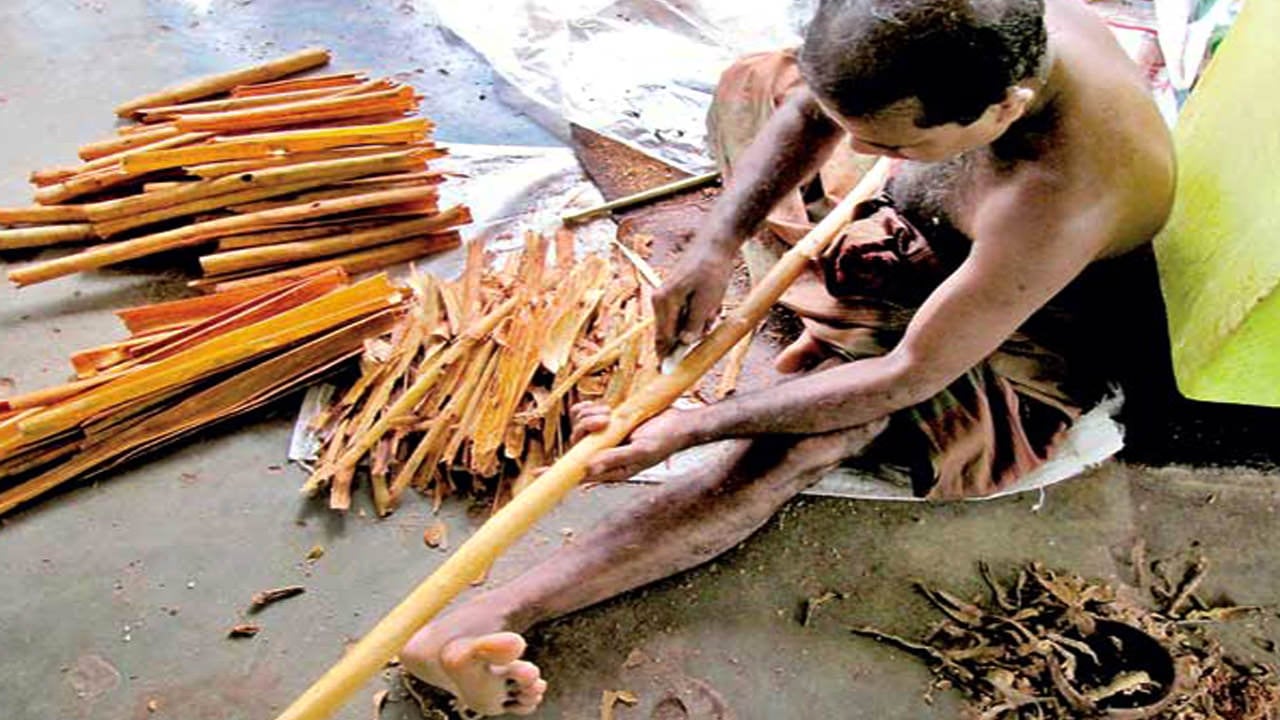
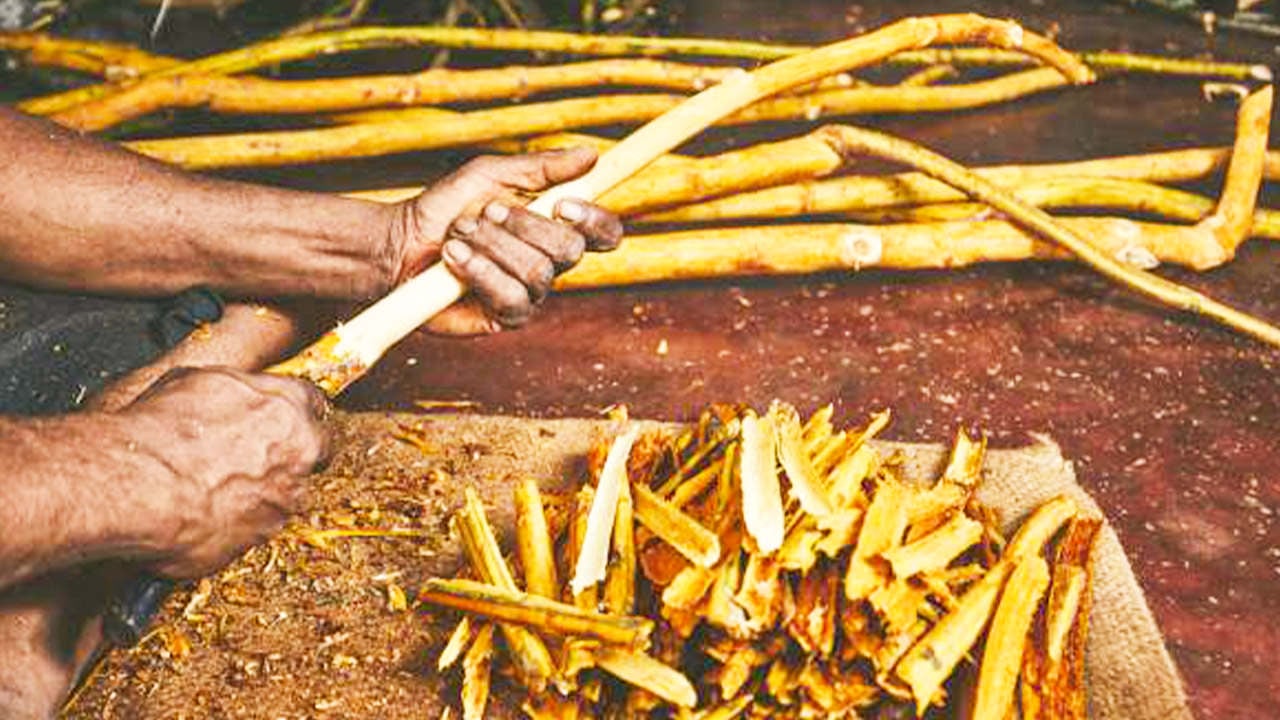
- Peeling and rolling — watching or trying your hand at the skilled craft of stripping the outer bark and inner cork to reveal the thin cinnamon layer, which is then rolled into the familiar quills
- Drying — seeing how the rolled quills are dried slowly in the shade rather than direct sunlight to preserve aroma
- Grading — understanding how quills are sorted into grades (C0 being the finest) based on thickness and texture
- Oil extraction — a brief demonstration of how cinnamon bark oil is obtained from off-cuts and bark waste through steam distillation
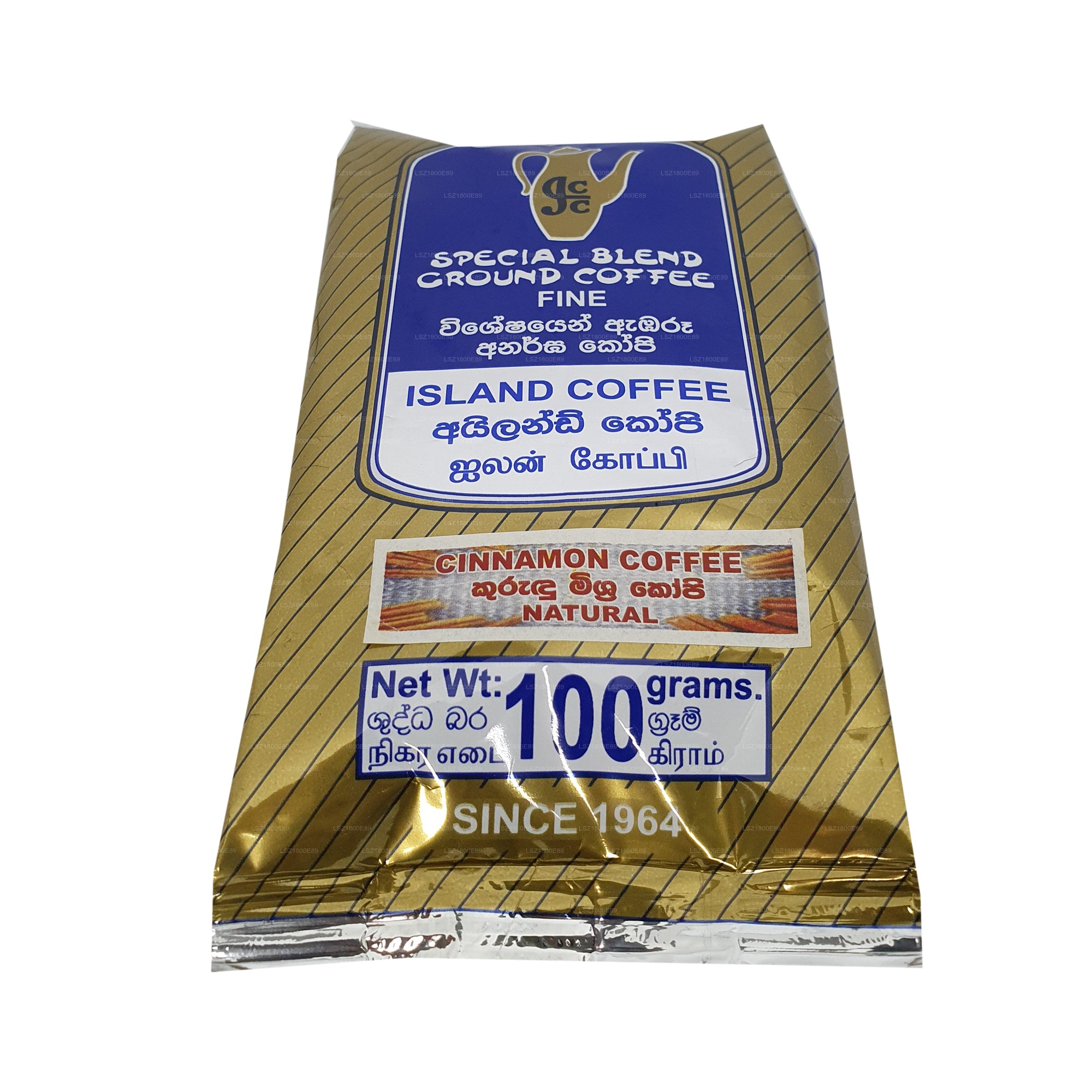
The whole visit typically runs between one and two hours. Children generally find the hands-on peeling demonstration particularly engaging, and families with young travellers often rate it among the more memorable stops on a southern coastal itinerary. You can usually purchase freshly prepared quills and cinnamon oil directly from the family at the end of the tour.
If you want to explore more of the region's spice and agricultural heritage, the nearby Madu River Safari passes through mangrove channels and includes stops at a cinnamon island and a fish therapy point, making it a natural companion excursion.
How does cinnamon fit into Sri Lanka's broader spice tradition?
Sri Lanka's reputation as a spice island extends well beyond cinnamon. Ceylon black pepper was among the first spices to draw European trading ships to the island, and cloves, cardamom, and nutmeg are cultivated across the wet zones. Cinnamon, however, holds a unique place: it is the one spice entirely identified with Sri Lanka in the global market, and the country supplies the overwhelming majority of the world's true-cinnamon demand.
This heritage is preserved not just on plantations but in the everyday culture of Sri Lankan cooking, where cinnamon bark is simmered in curries and rice rather than used as a powder. Understanding that context makes a visit to Cinnamon Island feel far more meaningful than a simple factory tour.
When is the best time to visit Cinnamon Island?
The Bentota area on Sri Lanka's southwest coast is most accessible between November and April, when the southwest monsoon has eased and the coastal roads and waterways are calm. The cinnamon harvest itself is not strongly seasonal — mature shoots are cut year-round on a rolling cycle — so you are unlikely to arrive during an "off" period for the plantation activities. Visits during the early morning tend to be cooler and, on working days, you are more likely to see the full peeling and rolling process in progress.
How do I get to Cinnamon Island from Colombo?
Bentota lies roughly 65 kilometres south of Colombo. The fastest route is via the Southern Expressway (E01), exiting at the Dodangoda interchange and following the Aluthgama-Mathugama road toward Bentota. The drive typically takes around 90 minutes depending on traffic. From Ambalangoda to the south, follow the coastal A2 road north toward Bentota; the journey takes around 20 to 30 minutes.
If you prefer to travel without the stress of navigation, Lakpura can arrange a private car or driver for the day, allowing you to combine Cinnamon Island with other Bentota-area highlights such as the Kosgoda Sea Turtle Conservation Project or a boat excursion on the Madu Ganga lagoon.
Is Cinnamon Island suitable for families and group travellers?
Yes. The setting is informal and participatory, which makes it well suited to mixed-age groups. There is no heavy walking involved, and the plantation environment is safe and open. Groups with an interest in food, cooking, or natural history tend to find the most value in the experience. Solo travellers visiting independently can usually arrange entry by approaching the plantation directly or through their accommodation in Bentota or Aluthgama.
What should I bring or know before visiting?
- Wear light, comfortable clothing — the plantation can be warm and humid
- Footwear that covers the toe is advisable for walking on uneven ground between trees
- Bring small denomination rupees if you intend to purchase cinnamon products at the end of the visit
- There is no formal ticket desk; entry is generally arranged informally with the host family or through a guide
- Photography is usually welcome, though it is courteous to ask before photographing the family members at work
What else is worth combining with a Cinnamon Island visit?
The Bentota area offers several experiences that complement a morning at the cinnamon plantation. A boat trip through the channels of the Madu Ganga biosphere reserve reveals mangrove ecosystems, fish farms, and temple islands within a short ride. Further south, the Sinharaja Forest Reserve is a UNESCO World Heritage rainforest with outstanding birdwatching, reachable as a longer day excursion. For travellers spending several days on the southwest coast, the Galle City Tour adds a strong historical and architectural counterpoint to the natural and agricultural experiences around Bentota.
Nearby places
10 places within about 25 km, nearest first.
Related reading
3 pages on closely related subjects.