Cardamom holds a privileged place among Sri Lanka's highland spices. Botanically known as Elettaria cardamomum, it earns its title as the "Queen of Spices" through a distinctive aroma that balances warmth, sweetness, and a faint eucalyptus edge. Sri Lanka's central highlands — particularly the districts around Kandy, Matale, and Nuwara Eliya — offer the altitude, humidity, and shade-dappled forest cover that this crop demands, producing pods with an intensity that sets them apart from bulk-market alternatives.
What makes Sri Lankan cardamom different from other origins?
Sri Lankan green cardamom is grown primarily under forest canopy, which slows the plant's growth and concentrates its volatile oils. The island's well-drained, laterite-rich soils in the central hills add a mineral complexity that is difficult to replicate in flatland cultivation. Because most Sri Lankan growers operate at a small-farm or estate scale, harvesting is done by hand — pods are picked individually rather than stripped, ensuring only ripe capsules are collected. This attention to timing preserves the bright green colour and full aromatic profile that premium buyers seek.
Sri Lanka also has a long tradition of integrating cardamom into spice-garden agro-tourism, meaning visitors can trace the full journey from flowering plant to finished product in a single afternoon visit.
What types of cardamom products are available?
The range of Sri Lankan cardamom products is broader than most travellers expect. Common forms include:
- Whole green pods — the benchmark form for quality assessment; seeds remain sealed until cooking, preserving maximum flavour.
- Decorticated seeds — husks removed, seeds ready to grind or infuse; higher oil concentration by weight than whole pods.
- Ground cardamom powder — convenient but shorter shelf life; best sourced from reputable packers who grind to order.
- Cardamom husk — the fibrous outer pod, often used in chai blends and herbal teas where a milder, slightly woody note is preferred.
- Cardamom essential oil — cold-pressed or steam-distilled; used in aromatherapy, cosmetics, and as a natural flavouring agent.
- Cardamom-infused teas — Sri Lanka's tea industry has embraced cardamom as a natural companion to both black and green leaf, producing blends that are popular gifts and export items.
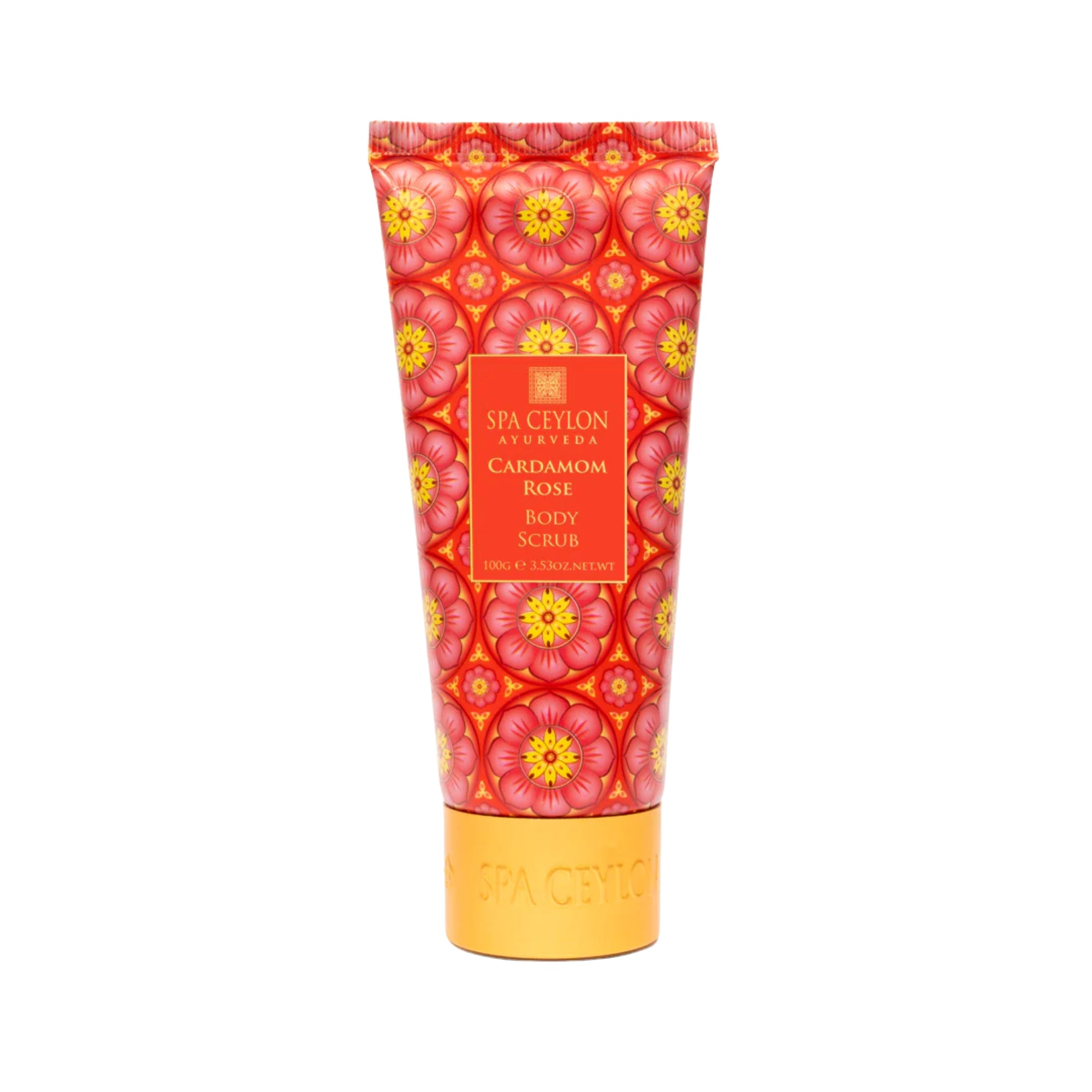
- Cardamom wellness products — soaps, hand creams, body scrubs, and incense sticks that use cardamom's antimicrobial and aromatic properties.
What are the health benefits of cardamom?
Traditional Ayurvedic medicine has used cardamom for centuries as a digestive aid, breath freshener, and remedy for respiratory complaints. Modern phytochemical research supports several of these uses: cardamom seeds are rich in volatile oils such as 1,8-cineole and terpinyl acetate, which have demonstrated antimicrobial and anti-inflammatory activity in laboratory settings. The seeds also contain antioxidants that may help neutralise free radicals.
In everyday use, cardamom tea is a popular choice for settling the stomach after heavy meals, and the spice is a standard ingredient in Ayurvedic formulations across South Asia. While cardamom is not a medical treatment, its established role in traditional wellness systems gives it credibility that many synthetic flavouring agents lack.
How is cardamom cultivated and harvested in Sri Lanka?
Cardamom plants take two to three years to reach first harvest after planting. They grow as tall rhizomatous herbs, reaching up to three metres, with long lance-shaped leaves and flowering stems that emerge from the base of the plant close to the ground. Flowers develop into oval capsules roughly 1–2 cm in length.
The main harvest window in Sri Lanka runs from approximately August through December, though the exact timing varies by elevation and microclimate. Because pods on a single plant ripen at different rates, skilled pickers visit the same plants multiple times during the season. After collection, pods are dried — either by sun-drying on raised mats or in low-temperature curing chambers — before grading and packaging.
Agro-tourism estates in the Kandy and Matale regions welcome day visitors to observe these processes firsthand. A guided Kandy city tour can often be extended to include a spice garden visit, offering context that turns a simple purchase into a meaningful experience.
How is cardamom used in Sri Lankan cooking?
In Sri Lankan kitchens, cardamom is an essential component of rice-and-curry cooking, appearing in rice pilafs, meat curries, and sweet milk-rice preparations. It features alongside cinnamon, cloves, and black pepper in the classic "four spices" blend used to scent festive dishes. Cardamom also appears in sweets and confections: the seeds are ground into milk-based desserts, and the pods are steeped in tea served during ceremonies and celebrations.
Beyond traditional cooking, cardamom has found its way into contemporary Sri Lankan craft beverages and specialty café menus, particularly in the hill-country towns near production areas.
What should I look for when buying cardamom products in Sri Lanka?
Quality varies considerably across the market. When selecting whole pods, look for:
- Uniform pale to mid-green colour — yellowing or bleaching indicates age or improper storage.
- Firm, well-filled capsules — pods should feel dense when gently squeezed.
- A strong, immediate aroma when a single pod is lightly pressed — faint or musty smell indicates oil loss.
For ground powder, purchase from sealed, dated packaging from reputable producers. Cardamom powder loses its volatile oils quickly once ground; products packed in small, airtight sachets with clear roasting or grinding dates are preferable to bulk bins.
Export-quality cardamom products are widely available at certified spice shops and hotel gift stores in Kandy and Colombo. Lakpura's online store stocks a curated range — from small cooking portions to larger gifting packs — sourced from trusted Sri Lankan producers.
Where can visitors see cardamom growing in Sri Lanka?
The most accessible cardamom gardens for visitors are in the Matale district, a short drive north of Kandy, where spice estates have developed structured tours covering cardamom alongside cinnamon, nutmeg, pepper, and cloves. The Sinharaja Forest Reserve buffer-zone communities in the Southern Province also cultivate cardamom under a forest-friendly shade system, though these are less structured for tourism. Nuwara Eliya-area estates occasionally incorporate cardamom alongside their tea holdings. Visiting these gardens during the August–December harvest period offers the richest experience, though plants flower and bear some fruit year-round at lower elevations.
How should cardamom products be stored?
Whole pods retain their flavour longest — typically up to a year in a cool, dark, airtight container. Seeds removed from pods begin to lose intensity within a few weeks of exposure to air and light. Ground powder should ideally be used within two to three months of opening. Keep all forms away from heat and direct sunlight; a sealed glass jar in a kitchen cupboard is sufficient for most home conditions. Avoid refrigerating whole pods unless the ambient temperature is consistently above 30 °C, as condensation cycles can accelerate mould growth.
Related reading
3 pages on closely related subjects.