The Bentara River — known locally as Bentota Ganga — winds for around 64 kilometres from the hills of the wet zone down to the Indian Ocean near Bentota, on Sri Lanka's southwestern coast. Along the way it passes through dense mangrove corridors, cinnamon and coconut estates, small riverside temples, and fishing settlements that have existed here for centuries. For visitors, it is one of the most accessible and rewarding river ecosystems in the country, combining genuine wildlife encounters with a quiet insight into rural coastal life.
What wildlife can I see on the Bentara River?
The mangrove forests that line much of the river act as a sheltered refuge for a surprisingly varied community of animals. Water monitor lizards are a near-certainty — large adults are regularly spotted basking on mudflats or swimming between the roots. Saltwater and freshwater crocodiles are present in stretches of the lower river, making sightings more likely in the early morning when the water is calm. Learn more about what to expect on a dedicated crocodile watching experience in Sri Lanka.
Birdlife is the other main draw. Kingfishers, purple herons, little egrets, and cormorants work the shallows throughout the day. With patience, you may also see serpent eagles, brahminy kites, and — during the northeastern monsoon months — migratory waders stopping over on sandbanks. The mangrove canopy itself shelters fruit bats and small reptiles, and the transition zones between mangrove and open water are worth scanning carefully.
What is the best way to explore the Bentara River?
A guided boat safari is by far the most rewarding option. Flat-bottomed motorboats and traditional wooden craft can navigate the shallow channels that branch off the main river, giving access to areas unreachable on foot. Most safaris last between one and two hours; longer trips can extend into the upper reaches where the landscape becomes more forested and fewer other boats operate.
Sunrise and early morning are the optimal times — wildlife is most active, the light is good for photography, and the river is glassy before the afternoon breeze picks up. Afternoon departures are also possible and catch the soft golden light of late afternoon filtering through the mangrove canopy.
Walking along the riverbanks through cinnamon estates is a quieter alternative. Growers will often explain the harvesting process for true cinnamon (Cinnamomum verum), which is indigenous to Sri Lanka and cultivated extensively in this district.
How does the Bentara River compare to Madu Ganga?
Both rivers offer mangrove boat safaris within a short drive of each other on the southwest coast, but they have a noticeably different character. Madu Ganga is a recognised Ramsar wetland and UNESCO-listed site, with a larger lagoon system and a well-developed tourism infrastructure including fish therapy and island temples. The Bentara River tends to be quieter and less commercialised, which appeals to travellers who want a more undisturbed wildlife experience with fewer boats on the water.
| Feature | Bentara River | Madu Ganga |
|---|---|---|
| Length | Around 64 km | Around 15 km (lagoon system) |
| Ramsar / UNESCO status | No | Yes |
| Crocodile sightings | Regular | Occasional |
| Visitor footfall | Lower | Higher |
| Nearest town | Bentota / Balapitiya | Balapitiya / Ambalangoda |
What else is there to see along the riverbanks?
The Bentara River passes through a landscape that rewards slow travel. Buddhist temples with brightly painted dagobas sit directly on the water's edge, and it is common to pass fishermen casting nets from narrow outrigger canoes. Cinnamon cultivation is woven into the daily economy of the villages here — the distinctive aroma of bark being peeled and dried is often noticeable even from the water.
Further upstream, coconut groves give way to paddy fields and low forested hills. The catchment area of the river sits close to the fringe of Sri Lanka's wet zone, so the vegetation is lush year-round and the landscape stays green even in the dry season months of the north and east.
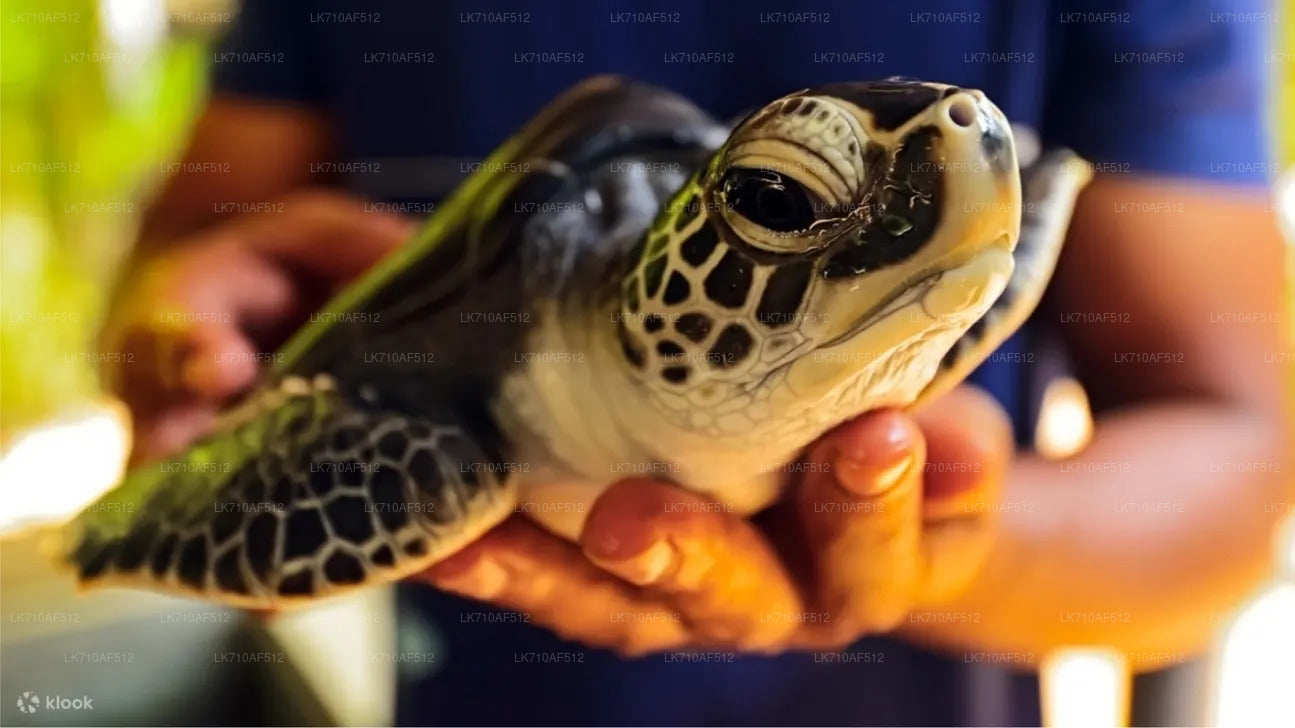
Visitors combining a Bentara River trip with the broader southern coast can also consider the Kosgoda Sea Turtle Conservation Project, located nearby on the beach, for a morning that pairs riverine wildlife with marine conservation.
When is the best time to visit the Bentara River?
The southwestern coast experiences its wet season from May through September, when afternoon rainfall is common and the river runs full and fast. The calmer, drier period from November through April is generally considered the most comfortable time to visit, with reliable weather and easy river conditions. That said, boat safaris operate throughout the year — the mangroves look particularly rich and green during and just after the rains, and wildlife does not disappear in the wet season.
Avoid visiting during periods of very heavy rainfall or after significant flooding, when river levels can make navigation difficult and water clarity drops considerably.
How do I get to the Bentara River from Colombo?
The river's lower reaches near Bentota are approximately 65 kilometres south of Colombo along the Southern Expressway (E01), making the drive typically under 90 minutes from the city. Bentota also has a railway station on the Coastal Line, served by intercity and express trains from Colombo Fort — a comfortable option that runs along the coast. From Bentota town, local tuk-tuks and guesthouses can arrange access to the river and connect you with boat operators.
Most visitors base themselves in Bentota, Balapitiya, or Aluthgama, all of which are within easy reach of the best safari departure points.
Is the Bentara River suitable for families with children?
Yes, with reasonable precautions. Boat safaris are calm and unhurried, and the wildlife — particularly monitor lizards and colourful birds — tends to hold children's attention well. Life jackets should always be worn on the boat, and operators are accustomed to hosting families. The presence of crocodiles, while exciting, is rarely a safety concern during a guided safari as the animals are typically observed from a safe distance on the water.
Nearby places
8 places within about 25 km, nearest first.
Related reading
1 pages on closely related subjects.