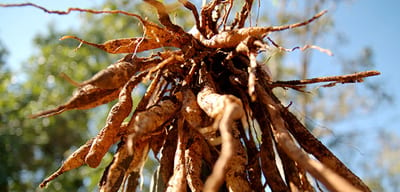
Asparagus gonoclados is a native Sri Lankan undershrub in the family Asparagaceae, known locally as Hathavariya. It is listed as Endangered in the National Conservation Status list of Sri Lanka (2012), making it a species of conservation concern within the island's flora.
What does Asparagus gonoclados look like?
It is a tall, rambling and scandent spinous undershrub growing from a tuberous rootstock. The spines measure 0.6-1.2 cm long. Its leaves are reduced to minute scales, and at their axils grow tufts of trigonous (three-angled) cladodes, 2-6 per tuft, each 1.2-1.8 cm long and about 6 mm broad. These cladodes function as the plant's main photosynthetic structures, a trait typical of the genus Asparagus, in which true leaves are vestigial.
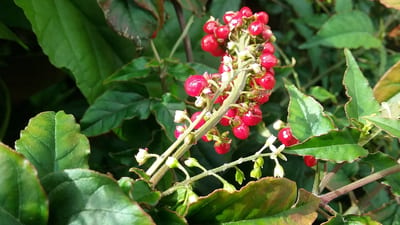
The plant produces many-flowered racemes bearing small, white, fragrant flowers. The fruit is a berry, 4-6 mm in diameter, containing one or two seeds.
Where does Asparagus gonoclados grow?
The species is native to Sri Lanka. As a scandent undershrub, it typically climbs or sprawls over surrounding vegetation, a habit shared by many members of the Sri Lanka asparagus family found across its wider South Asian range.
What is its conservation status?
Asparagus gonoclados is classified as Endangered under the National Conservation Status list of Sri Lanka (2012). This designation reflects pressure on wild populations and underscores the importance of protecting remaining stands of the species in its natural habitat.
What is it called in Sinhala and Sanskrit?
In Sinhala the plant is called Hathavariya (හාතවාරිය). In Sanskrit it is known as Shatavari. Its English common name is simply Asparagus.
Recorded facts
| Attribute | Detail |
|---|---|
| Scientific name | Asparagus gonoclados |
| Family | Asparagaceae |
| English name | Asparagus |
| Sinhala name | Hathavariya (හාතවාරිය) |
| Sanskrit name | Shatavari |
| Status in Sri Lanka | Native |
| Conservation status | Endangered (National Conservation Status list of Sri Lanka, 2012) |
| Edible parts | Leaves |
| Habit | Tall, rambling, scandent, spinous undershrub with tuberous rootstock |
| Spines | 0.6-1.2 cm long |
| Cladodes | 2-6-nate, trigonous, 1.2-1.8 cm long, 6 mm broad |
| Flowers | White, fragrant, very minute, in many-flowered racemes |
| Fruit | Berry, 1-2 seeded, 4-6 mm diameter |
Other species in this genus
2 more, sharing the same genus.