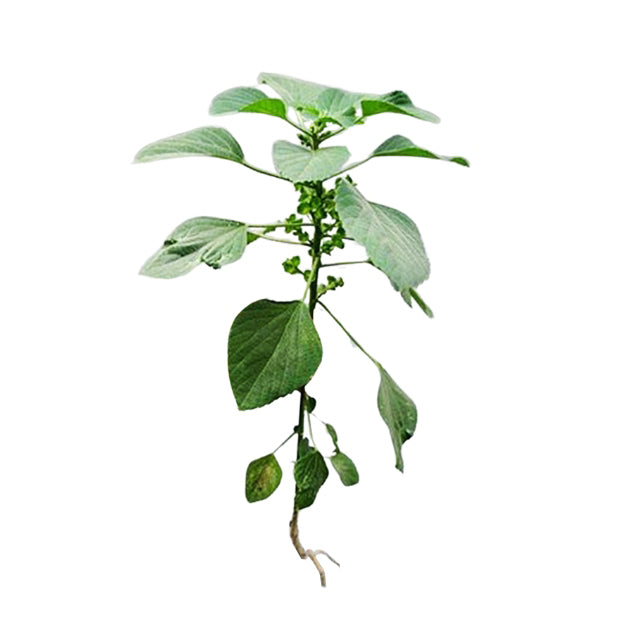




Anisomeles indica is a herbaceous plant native to tropical and subtropical Asia, including Sri Lanka, where it has been used for centuries within the island's rich tradition of Ayurvedic medicine. Known by several vernacular names across South and Southeast Asia, the plant occupies a modest but well-established place in Sri Lanka's catalog of medicinal flora. It grows as a coarse, aromatic herb — typically found along roadsides, disturbed land, and the margins of cultivated fields — and is recognisable by its square stem, toothed leaves, and whorled clusters of small pinkish-purple flowers.
What is Anisomeles indica and where does it grow in Sri Lanka?
Anisomeles indica belongs to the family Lamiaceae, the same broad family as mint, basil, and lavender. The plant is a perennial herb that can reach up to a metre in height under favourable conditions. In Sri Lanka it is found across the dry and intermediate zones, often growing opportunistically on uncultivated ground at lower elevations. Its leaves are covered in fine hairs and carry a distinctive, slightly medicinal scent when crushed — a trait shared by many plants in this family and a reliable field identifier.
Unlike cultivated medicinal herbs, Anisomeles indica tends to establish itself naturally without deliberate planting. Village practitioners and traditional healers have historically harvested it from the wild, making it an accessible part of rural herbal knowledge rather than a commercially farmed crop.
How is Anisomeles indica used in Ayurvedic tradition?
Within the Ayurvedic pharmacopoeia documented in Sri Lanka, Anisomeles indica is valued for a range of applications. Traditional practice has drawn on different parts of the plant — the leaves, stems, and roots — depending on the condition being addressed.
- Fever management: Preparations from the leaves have traditionally been used to reduce fever, and the plant appears in classical South Asian herbal texts in this context.
- Anti-inflammatory use: Poultices and decoctions made from crushed leaves have been applied to relieve localised pain and inflammation.
- Digestive complaints: The aromatic constituents of the plant have been employed in remedies aimed at settling digestive discomfort.
- Rheumatic conditions: Some traditional formulations incorporate Anisomeles indica in preparations intended to address joint and muscle pain.
- Skin conditions: Topical use of leaf-based preparations for minor skin irritations is recorded in regional ethnobotanical literature.
It is worth noting that while these traditional uses are well documented ethnobotanically, they reflect historical and indigenous knowledge systems. Anyone seeking treatment for a medical condition should consult a qualified healthcare practitioner.
What does modern research say about Anisomeles indica?
Scientific interest in Anisomeles indica has grown in recent decades, with researchers investigating the bioactive compounds present in the plant. Studies have identified a range of phytochemicals including flavonoids, terpenoids, and essential oils — classes of compounds that align with several of the plant's traditional applications.
Laboratory studies have reported antimicrobial, anti-inflammatory, and antioxidant activity in extracts derived from the plant's aerial parts. The essential oil fraction, in particular, has attracted attention for its biological properties. However, clinical trials in humans remain limited, meaning the traditional applications have not yet been fully validated through the standards of contemporary biomedical research. The plant remains primarily of interest to ethnopharmacologists and those studying the pharmacological basis of South Asian herbal traditions.
How does Anisomeles indica fit into Sri Lanka's broader herbal heritage?
Sri Lanka's Ayurvedic tradition is one of the oldest continuously practised systems of medicine in Asia, shaped by the island's exceptional biodiversity. The country's varied ecosystems — from coastal lowlands to highland cloud forests — support a remarkable range of medicinal plant species, of which Anisomeles indica is one of many documented in indigenous formularies.
Plants such as Acacia chundra and Pongamia pinnata similarly represent the depth of Sri Lanka's ethnobotanical record, each used across centuries of traditional practice. Anisomeles indica sits alongside these species as part of a living pharmacopoeia that continues to inform both rural healthcare and contemporary natural medicine research.
The Sri Lankan government, through institutions such as the Department of Ayurveda, maintains official documentation of the island's medicinal flora, and Anisomeles indica is listed as part of this recognised catalog. This formal acknowledgement underscores the plant's standing within the country's integrated healthcare landscape, where traditional and modern medicine coexist.
Can travellers encounter Anisomeles indica in Sri Lanka?
For visitors with an interest in herbal traditions, Sri Lanka offers several opportunities to engage with the island's medicinal plant culture. Spice gardens in the Kandy and Matale regions often showcase a curated selection of Ayurvedic herbs and provide guided explanations of their traditional uses. While Anisomeles indica is not typically a centrepiece exhibit — given its weedy, unassuming habit — knowledgeable guides can often point it out in the wild margins of gardens and farmland.
Ayurvedic wellness centres and retreat facilities across the island also offer deeper engagement with Sri Lanka's herbal traditions, incorporating plant-based treatments into structured programmes. Those interested in the intersection of biodiversity and traditional medicine may also find value in visiting the Sinharaja Forest Reserve, where the country's extraordinary plant diversity is most visibly concentrated.
Botanical summary
| Attribute | Detail |
|---|---|
| Family | Lamiaceae |
| Growth form | Coarse aromatic herb, typically annual or short-lived perennial |
| Height | Up to approximately 1 metre |
| Flower colour | Pinkish-purple, in dense whorled clusters |
| Distribution in Sri Lanka | Dry and intermediate zones; disturbed ground and field margins |
| Parts used medicinally | Leaves, stems, roots |
| Key traditional applications | Fever, inflammation, digestive complaints, skin conditions |