Over these three days a chauffeur guide takes you through Jaffna City and the surrounding peninsula, covering its religious sites, colonial landmarks and coastal spots.
Sri Nagavihara International Buddhist Centre
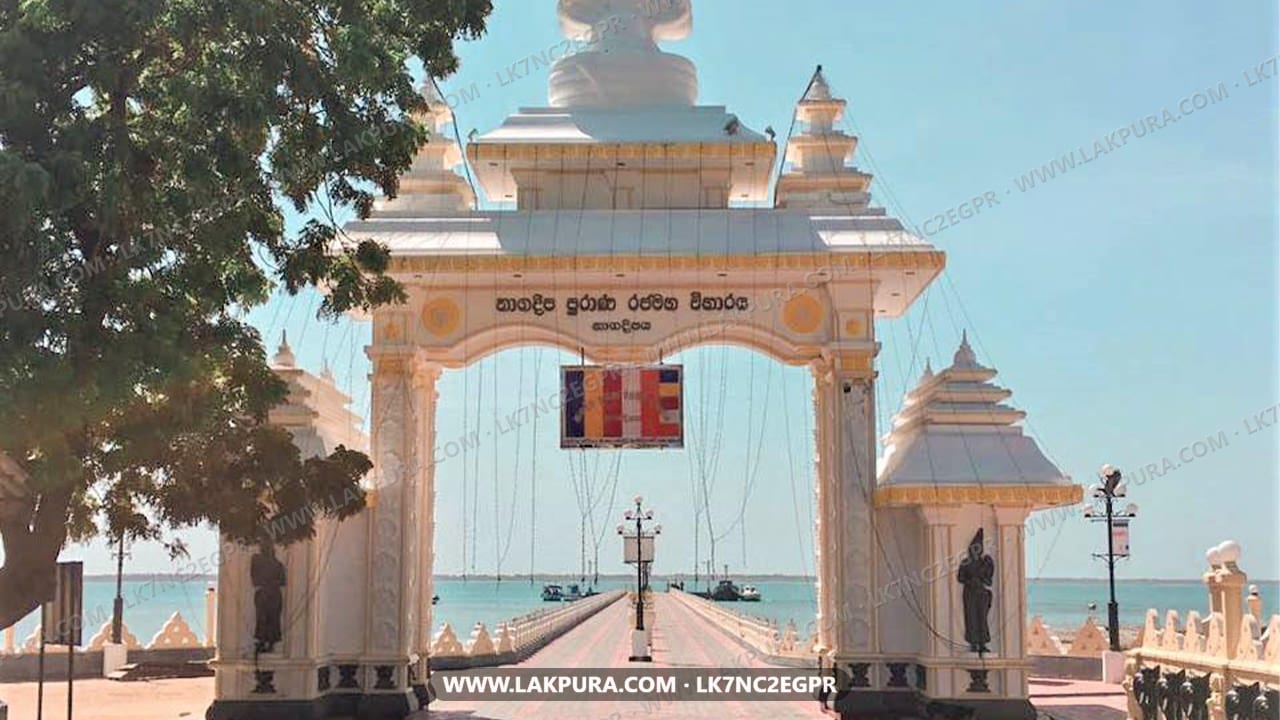
A Buddhist temple promoting spiritual harmony and cultural exchange, with serene meditation spaces, traditional rituals and finely crafted statues reflecting Jaffna's diverse heritage.
Jaffna Fort
Built by the Portuguese in 1618 and later expanded by the Dutch, this well-preserved fortress has massive stone walls, ancient ruins and views over the surrounding lagoon. Visitors can explore its gates and ramparts and take in the blend of European and local influences.
Jaffna Public Library
Originally built in 1933 and once among Asia's finest libraries, it was destroyed in 1981 and later restored. Its Indo-Saracenic architecture, book collection, historical documents and rare manuscripts reflect Jaffna's literary and educational heritage.
Nallur Kandaswamy Devasthanam
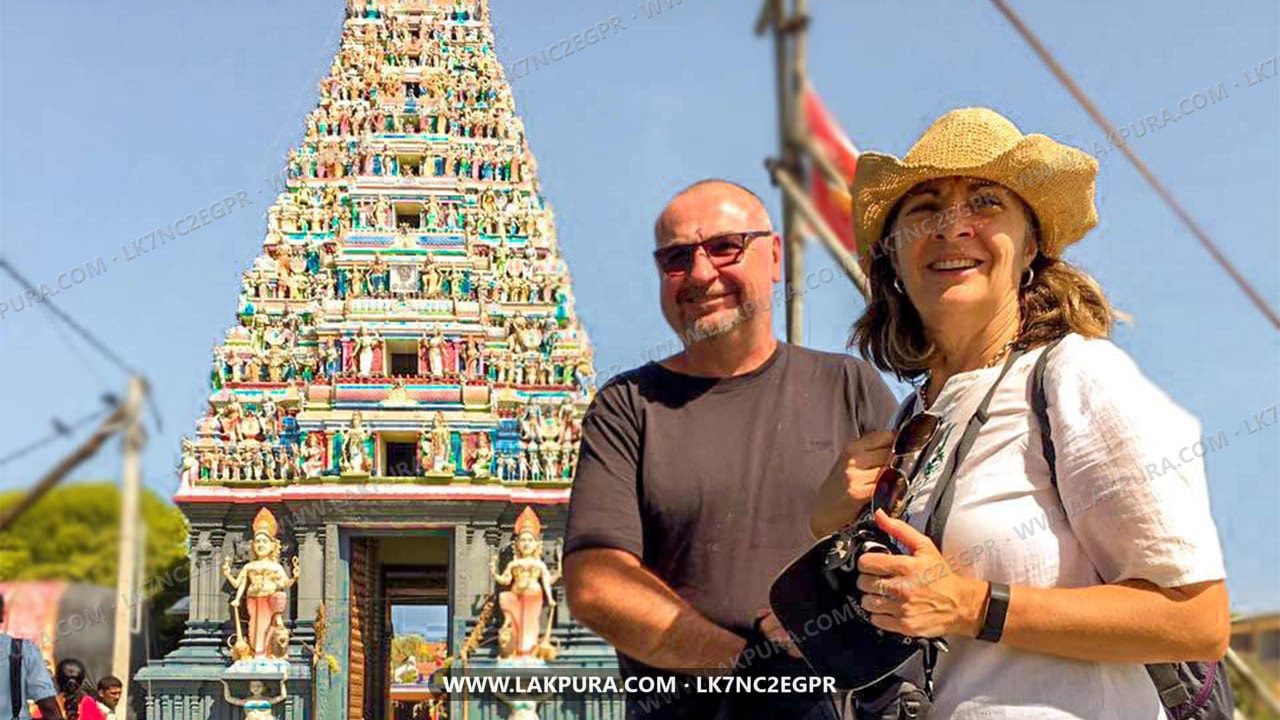
A Hindu temple dedicated to Lord Murugan, known for its Dravidian architecture and golden gopuram. Visitors can take in its serene rituals, intricate carvings and its association with the Nallur Festival.
Sankiliyan Thoppu
The gateway to the palace of King Sankili II, reflecting the region's Tamil heritage through its traditional architecture and its remnants of Jaffna's pre-colonial royal past.
King Sangiliyan's Minister's House
Believed to have housed a minister of King Sangiliyan, the last Tamil ruler of Jaffna, this site shows traditional Tamil architecture and stone carvings from the era of the Jaffna Kingdom.
Kurikadduwan Beach
Located on Punkudutivu Island, this beach offers golden sands, calm waters and boat rides to nearby islands such as Nainativu, set against a backdrop of local fishing culture.
Jaffna City
The cultural heart of the northern region, with its Tamil heritage, historic landmarks, distinctive cuisine and bustling markets tying together the sites visited across the three days.