Opened in late 2014, the Seethawaka Wet Zone Botanical Garden in Avissawella is the newest of Sri Lanka's five botanical gardens. Situated along the Puwakpitiya–Thummodara main road and adjacent to the Indikada Mukalana Forest Reserve, it offers a quieter, greener alternative to the well-trodden circuit — a place where conservation and recreation sit side by side on 79 acres (32 ha) of carefully managed landscape.
What makes Seethawaka Wet Zone Botanical Garden different from other Sri Lankan botanical gardens?
Unlike the highland gardens at cloud forest elevations, Seethawaka operates in the warm, humid lowland wet zone. The site was specifically chosen to represent the plant communities of the Ratnapura–Sinharaja Forest Reserve corridor — one of the most biodiverse regions in the country and a UNESCO World Heritage Site. This focus on lowland wet-zone species gives the garden a character that no other Sri Lankan botanical garden replicates.
A natural stream runs through the property, keeping the soil moist year-round and allowing moisture-dependent species — ferns, aroids, pitcher plants, and riparian trees — to thrive without artificial irrigation. The climate here is noticeably cooler and more temperate than coastal Colombo, making a visit genuinely comfortable even outside the early morning hours.
What can you see and do at the garden?
The collection is organised around several distinct zones and habitats. Highlights include:
- The kumbuk grove and lake area — Widely regarded by visitors as the most photogenic corner of the garden, this open lawn shaded by large kumbuk (Terminalia arjuna) trees sits beside a small ornamental lake. It is ideal for a quiet picnic or an hour of birdwatching.
- Bamboo cultivation plots — The garden plays an active role in promoting sustainable bamboo cultivation, with multiple species represented and labelled. Bamboo's role in erosion control and rural livelihoods is explained on interpretation boards nearby.
- Endemic and threatened species beds — Plants collected from the Ratnapura lowland rainforests are propagated here as part of an ex-situ conservation programme. Many species are labelled with both their scientific and Sinhala names.
- Riparian vegetation along the stream — The stream corridor supports moisture-loving plants rarely seen in drier gardens, and the shaded walkway alongside it is one of the cooler paths in the garden.
Stone-paved paths run throughout the grounds, and information maps are posted at key junctions. Nearly every tree carries a name board, so even a self-guided walk doubles as an informal lesson in tropical botany.
What conservation and educational work happens at Seethawaka?
The garden's mandate extends well beyond aesthetics. It serves as a conservation site for endemic and threatened lowland wet-zone plants, with propagation programmes focused on species under pressure from habitat loss in the Sinharaja buffer zone and surrounding lowland forests. A dedicated section supports wetland and riparian flora, addressing the often-overlooked plant communities of Sri Lanka's river margins.
Structured training programmes for horticulture practitioners are held on-site, and the facilities are open to undergraduate students and academic researchers conducting field studies. Universities and technical institutes from the western province make regular visits, making the garden a functioning academic resource rather than purely a tourist attraction.
Future plans call for expanding the cultivated area to around 105 acres, which would allow for additional habitat recreations and potentially a dedicated medicinal plant section — an area of significant interest given the proximity to Sri Lanka's Ayurvedic heartland around Ratnapura.
How do I get to Seethawaka Wet Zone Botanical Garden from Colombo?
The garden is located in Avissawella, roughly an hour to an hour and a half by road from central Colombo depending on traffic. The most straightforward route follows the A4 highway through Padukka and on to Avissawella, then turns onto the Puwakpitiya–Thummodara road. The garden entrance sits alongside the Indikada Mukalana Forest Reserve boundary, so the surrounding landscape provides a useful landmark.
A private vehicle or taxi is the most convenient option, particularly if you plan to combine the garden with other sites in the Avissawella area. Public bus services run between Colombo (Bastian Mawatha terminus) and Avissawella with reasonable frequency, from where a three-wheeler can reach the garden entrance.
When is the best time to visit?
The wet zone receives rainfall from both the south-west monsoon (May to September) and the inter-monsoon periods, so the garden stays green year-round. Visiting during or just after rainfall keeps the stream full and the fern beds at their most lush, but the stone paths can be slippery — sturdy footwear is recommended. The dry spells between January and March typically offer clear skies and comfortable walking temperatures. Early morning visits reward birdwatchers, as the garden and adjacent forest reserve attract a range of wet-zone species.
What should visitors know before going?
- Photography is permitted throughout the garden; the kumbuk grove and lakeside area are the most popular spots.
- Visitors are asked not to litter or pick any plants — this is both a courtesy and a conservation requirement.
- Facilities are modest: expect basic amenities rather than a full visitor centre. Bring water and a light snack if you plan to spend more than an hour.
- The garden is family-friendly, with paved paths accessible to most visitors. The terrain is generally flat.
- No fee information has been confirmed at the time of writing — check current entry requirements locally or through your tour operator before visiting.
How does Seethawaka compare to Peradeniya Botanical Gardens?
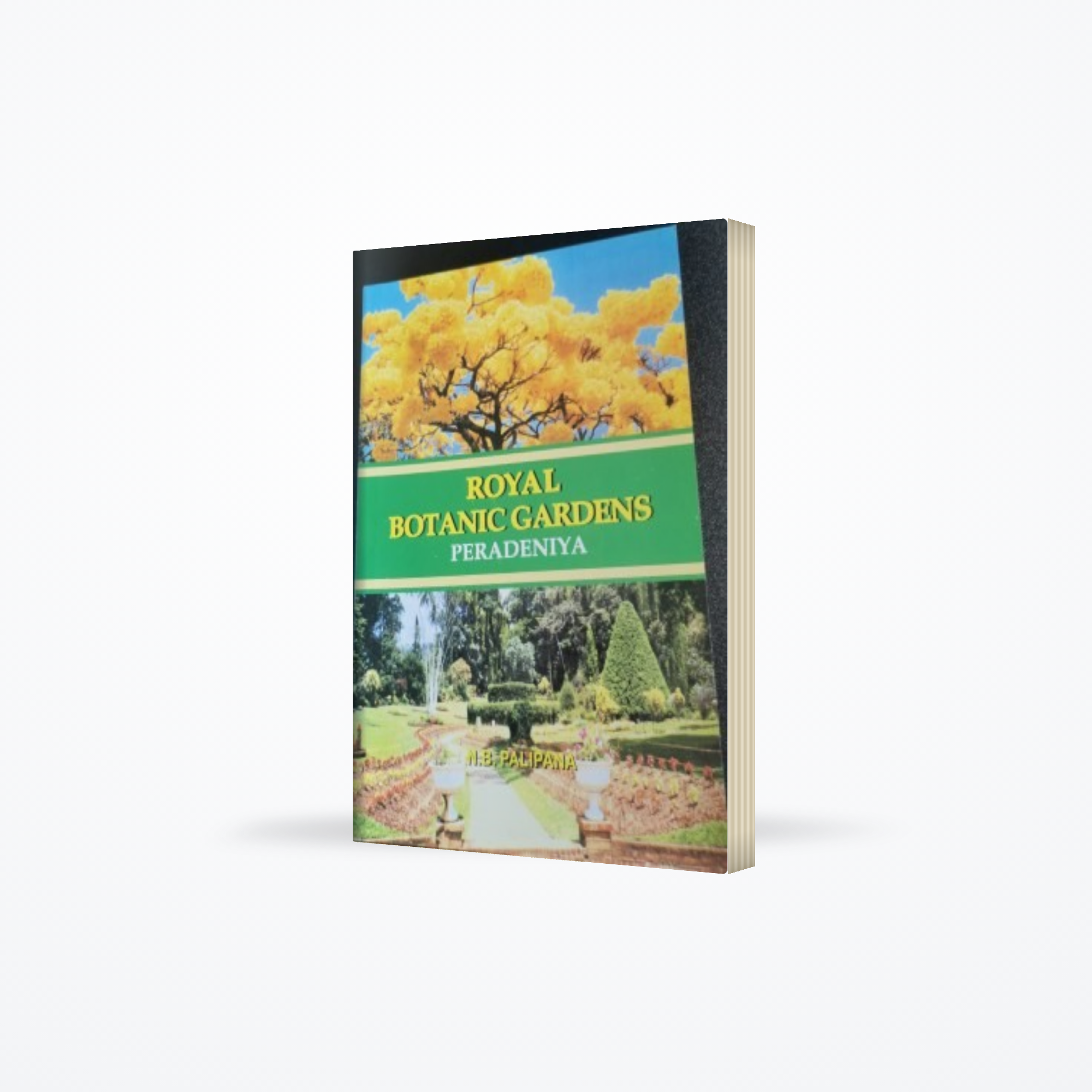
Peradeniya, near Kandy, is Sri Lanka's oldest and largest botanical garden, spanning over 147 acres with a celebrated orchid collection, giant bamboo groves, and an avenue of royal palms. It attracts significantly larger crowds. Seethawaka is smaller, newer, and considerably quieter — its strength lies in its ecological focus and the immersive feel of a working conservation site rather than a manicured showpiece. The two gardens complement each other well for visitors with a genuine interest in Sri Lanka's plant diversity.
Nearby places
13 places within about 25 km, nearest first.
- Kumari Ella Fallsunder 1 km
- Avissawella City2 km
- Ranmudu Ella Falls2 km
- Maniyangama Raja Maha Viharaya3 km
- Avissawella Railway Station3 km
- Seethawaka Botanical Garden3 km
- Leisure World Theme Park4 km
- Morakele Railway Station6 km
- Dambora Ella7 km
- Ruwanwella City7 km
- Gammana Railway Station7 km
- Kosgama Railway Station8 km
- Puwakpitiya Railway Station9 km
Related reading
4 pages on closely related subjects.