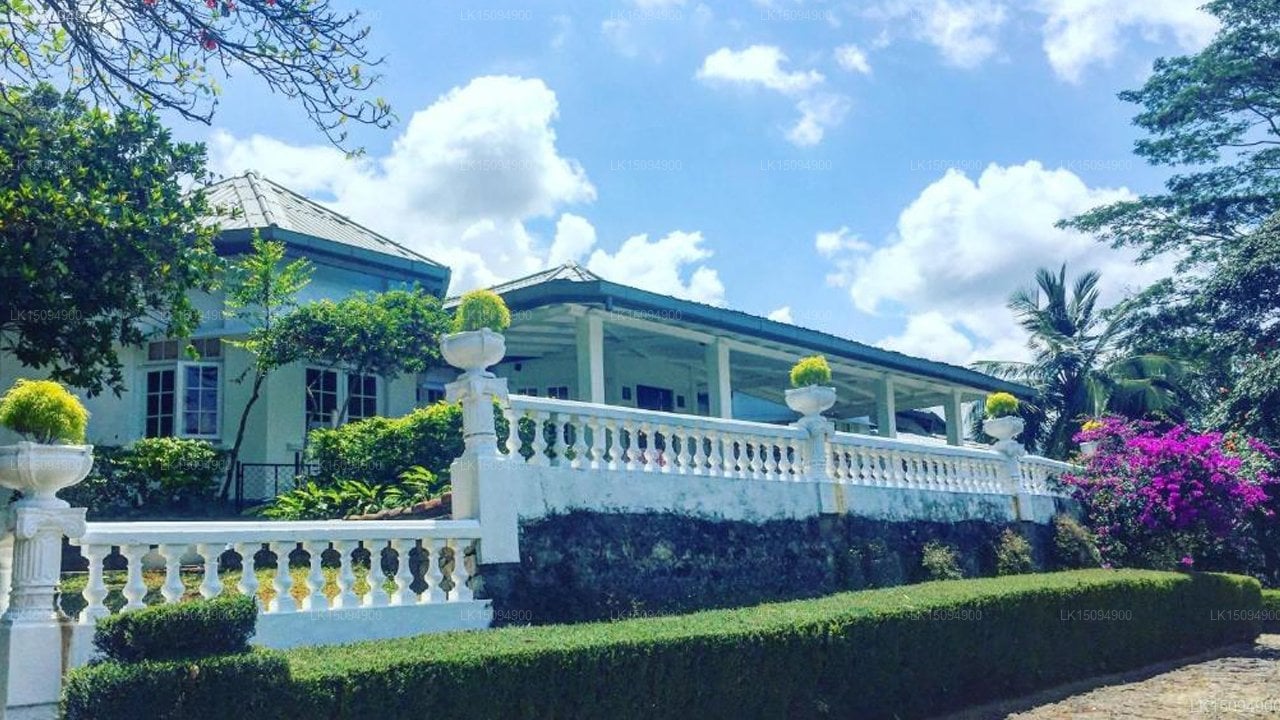
Ruwanwella is a compact town in the Kegalle District of Sabaragamuwa Province, positioned where the lowland plains begin their gradual climb toward the Central Highlands. It sits along the A1 Colombo–Kandy highway — one of Sri Lanka's busiest corridors — making it both a practical transit stop and a quiet destination in its own right. The surrounding landscape of rubber and tea estates, forested hills, and river valleys gives the town a character that feels distinctly mid-country.
Where exactly is Ruwanwella, and how do I get there?
Ruwanwella lies roughly 80 km northeast of Colombo and about 45 km southwest of Kandy, placing it squarely between the island's commercial capital and its cultural one. The A1 highway runs directly through the town, so most travellers encounter it on a drive between the coast and the hill country.
By road from Colombo, expect around two hours by car under normal traffic conditions. Ruwanwella also has a railway station on the Main Line, which means you can reach it by train from Colombo Fort or Kandy — a scenic and affordable option. Private taxis and intercity buses pass frequently throughout the day, making onward connections straightforward.
What is Ruwanwella known for?
The town's identity is rooted in agriculture. Rubber plantations spread across the lower slopes of the surrounding hills, while tea estates appear on the higher elevations — a gradient that mirrors much of rural Sabaragamuwa. The weekly local market remains a focal point for nearby villages, drawing traders with fresh produce, spices, and handmade goods that reflect the rhythms of traditional Sri Lankan rural life.
Ruwanwella is also noted as the birthplace of Ehelepola Nilame, one of the most significant — and tragic — figures of the Kandyan Kingdom's final years. A small memorial acknowledges his connection to the town, giving Ruwanwella a modest but genuine place in Sri Lanka's historical narrative. Visitors with an interest in Kandyan-era history can explore this local heritage alongside the broader story of Ehelepola Nilame and the events surrounding the fall of the Kandyan Kingdom in 1815.
What can I see and do around Ruwanwella?
The town itself is small, but its surroundings reward those willing to explore on foot or by tuk-tuk. The Kelani River runs close to the town — a wide, fast-moving river that is popular for bathing among locals and provides scenic views, particularly in the early morning. Several small waterfalls and streams are accessible along the forest-edged roads leading into the hills.
- Buddhist temples: A handful of village temples near Ruwanwella serve both as active places of worship and as examples of traditional Sri Lankan religious architecture. Early morning or poya (full moon) days offer the most atmospheric visits.
- Makandawa Rainforest: Around 20 km from Ruwanwella, the Makandawa Rainforest near Kitulgala offers birdwatching, white-water rafting on the Kelani River, and short forest walks through an old-growth canopy.
- Rubber and tea estates: The agricultural landscape itself is worth exploring. Rubber-tapping is carried out in the early morning hours; some estates welcome visitors for a brief look at the process.
- Randenigala Reservoir: The Randenigala Dam and reservoir, accessible from roads east of Ruwanwella, provides a striking view of still water set against forested hills — less visited than better-known reservoirs and all the more peaceful for it.
- Kitul palm traditions: The area around Ruwanwella is home to kitul palms, whose sap is tapped to produce treacle and jaggery — a craft visitors can observe on village farm visits. The practice of kitul tapping is a quietly remarkable piece of living agricultural heritage.
What is the best time to visit Ruwanwella?
Sabaragamuwa Province receives rainfall from both the southwest and northeast monsoons, so Ruwanwella tends to stay green year-round. The drier months between January and April and again from July to September are generally the most comfortable for travel, with lower chances of heavy afternoon rain. The region's rivers are most dramatic — and white-water activities nearby most exhilarating — during or just after the monsoon season, typically between May and August.
There is no single festival or event tied specifically to Ruwanwella that draws large visitor numbers, which means the town rarely feels crowded. If you are timing a visit around the Esala Perahera Festival in nearby Kandy (held in July or August), Ruwanwella makes a quiet base midway between Colombo and Kandy.
What is the food and local culture like in Ruwanwella?
Ruwanwella's food scene is firmly local. Small restaurants and street stalls near the bus stand serve rice and curry at lunchtime, along with short eats — deep-fried pastries and rolls — throughout the day. There are no internationally oriented restaurants in town, which makes Ruwanwella an authentic stop for travellers who want to eat as Sri Lankans do rather than as tourists are expected to.
The town's demographics are broadly Sinhalese, with a Buddhist majority. Daily life follows the rhythm of the agricultural calendar and the lunar poya schedule, which shapes shopping hours, temple activity, and the pace of commerce. Visitors should dress modestly when entering temples and be mindful of poya-day restrictions on alcohol sales.
How does Ruwanwella fit into a wider Sri Lanka itinerary?
Most visitors encounter Ruwanwella as a waypoint rather than a destination in itself, and that is perfectly reasonable. The town sits at a useful juncture: east of Colombo, west of Kandy, and north of the beaches of the southwest coast. A route that combines the Kandy city experience with the Sinharaja Forest Reserve to the south, for example, could logically pass through or overnight in Ruwanwella.
For travellers seeking slower, off-the-tourist-trail Sri Lanka — where the scenery is rural, the crowds are absent, and the interactions are genuine — Ruwanwella and the Kegalle District more broadly offer exactly that. The infrastructure is functional rather than polished, which suits independent and adventure-minded travellers well.
Is Ruwanwella suitable for a day trip from Colombo or Kandy?
Yes, the driving distances make it feasible as a day trip from either city, especially if you are combining a stop in Ruwanwella with visits to Kitulgala for rafting or the Randenigala area for scenery. From Kandy, the drive is under an hour and a half; from Colombo, plan for roughly two hours depending on traffic on the A1 corridor. A private driver makes the journey significantly more flexible than relying on public transport, particularly if you want to stop at rubber estates or riverside viewpoints along the way.
Nearby places
9 places within about 25 km, nearest first.