
Scattered across Sri Lanka's major cities, the country's war memorials stand as measured, enduring acknowledgements of sacrifice. They mark the lives of soldiers — both Sri Lankan and from across the British Empire — who served during World War I and World War II. For visitors with an interest in colonial history, Commonwealth heritage, or simply a quiet place for reflection, these sites offer something that few conventional tourist attractions can: genuine solemnity.
Where are Sri Lanka's main war memorials located?
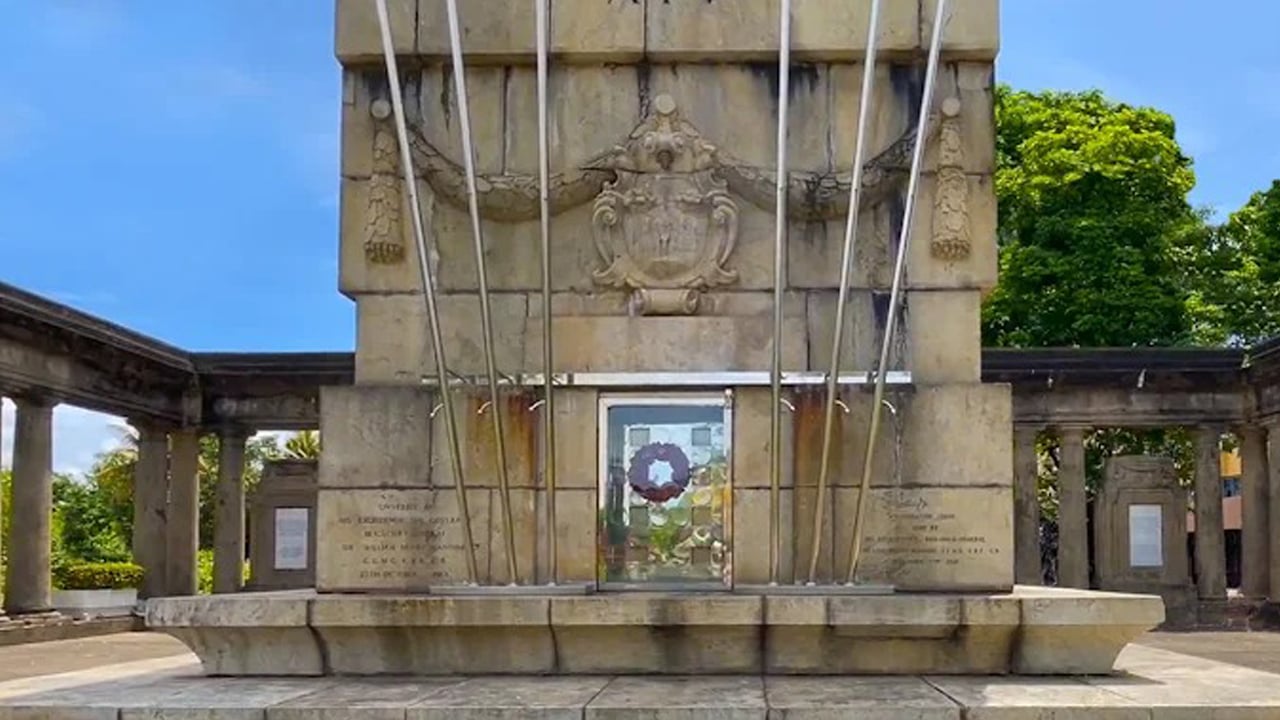
The most significant memorials are found in three cities. In Colombo, a cenotaph stands at Galle Face Green, facing the Indian Ocean — a setting that gives the monument a particular gravity. The Kandy War Memorial is situated near the historic town centre, not far from the Kandy city circuit that most visitors follow. Trincomalee, on the northeast coast, has its own commemorative sites tied closely to the naval history of the Second World War, when the town served as a major Allied naval base.
Smaller memorial plaques and inscribed columns exist in churches, public gardens, and municipal buildings across the island, particularly in towns that had significant colonial-era administrative presences.
Who do the war memorials commemorate?
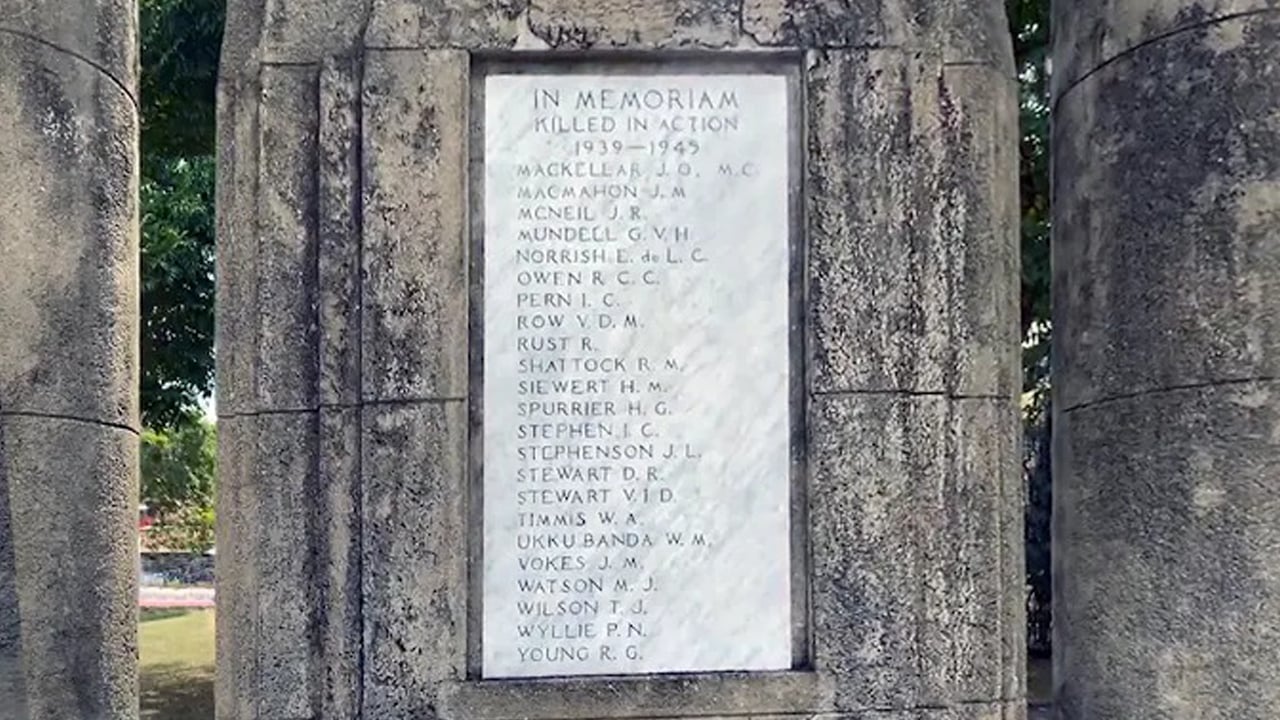
The memorials primarily honour servicemen who died during World War I (1914–1918) and World War II (1939–1945). At the time, Ceylon — as Sri Lanka was then known — was a Crown Colony, and tens of thousands of Ceylonese enlisted in the British armed forces. Many served in the Ceylon Light Infantry, the Ceylon Garrison Artillery, and support roles across the Middle East, North Africa, and the Pacific theatre.
The sites are maintained in part by the Commonwealth War Graves Commission, which oversees memorials and cemeteries for Commonwealth servicemen worldwide. This ensures that inscriptions and grave markers remain legible and properly maintained regardless of local administrative changes.
What can visitors expect at these memorial sites?
The memorials are generally modest in scale but carefully kept. Common features include:
- Stone cenotaphs or obelisks inscribed with regimental names and dates
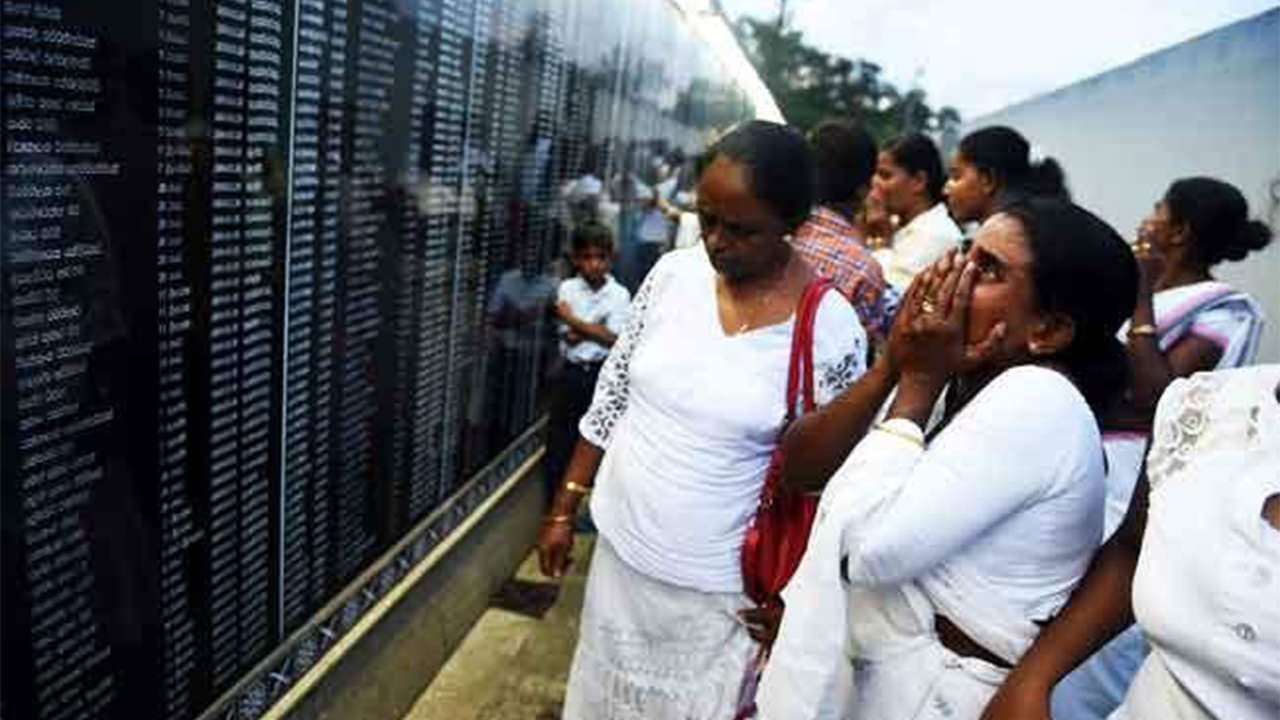
- Bronze or stone plaques listing the names of the fallen
- Surrounding gardens or paved areas that allow for quiet reflection
- Flagpoles and, at major sites, provisions for wreath-laying ceremonies
The Colombo cenotaph at Galle Face Green is perhaps the most photographed, partly because of its seafront setting and partly because it occupies one of the city's most historically layered public spaces. The lawn area around it is open throughout the day.
When is Remembrance Day observed at Sri Lanka's war memorials?
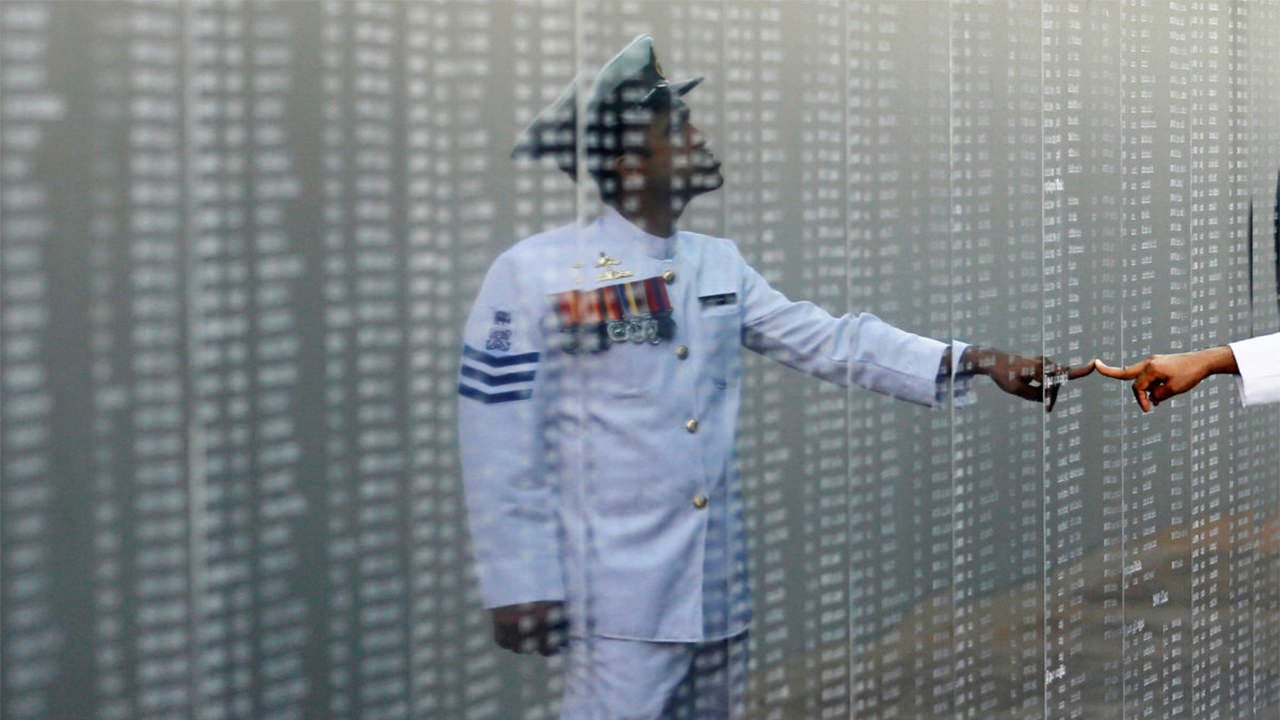
Formal commemorative ceremonies are held annually on Remembrance Sunday, typically in November, and on Armistice Day (11 November). These events draw representatives from the Sri Lanka Army, Navy, and Air Force, along with diplomats from Commonwealth countries, veterans' associations, and members of the public. The Colombo cenotaph ceremony is usually the most attended, with senior officials and high commissioners often present.
If you plan to attend a ceremony, arrive early — the surrounding area is managed for the event and access points can change. Outside of these occasions, the memorials are accessible as ordinary public spaces without any entry fee or formal visiting hours.
How do Sri Lanka's war memorials fit into a broader historical itinerary?
These sites pair naturally with other heritage experiences across the island. Colombo's colonial core — including the Fort district and Galle Face — contains several layers of British, Dutch, and Portuguese history within a compact area. A Colombo city tour can incorporate the cenotaph alongside the old parliament building, the National Museum, and the harbour front.
Kandy's memorial fits into a city that already draws visitors for the Temple of the Tooth and the Esala Perahera Festival. Adding a short visit to the war memorial requires little detour and rounds out an understanding of the city's layered history — from the last Kandyan kings through to the colonial period and independence.
In Trincomalee, the wartime context is especially tangible. The town's natural deep-water harbour made it strategically critical during World War II, and the surrounding area still contains Commonwealth war graves and naval remnants that serious history travellers will find worthwhile.
What is the best time to visit Sri Lanka's war memorials?
For those interested in attending a ceremony, November is the key month. For personal, unhurried visits, weekday mornings tend to be quietest — the Galle Face area in Colombo, for instance, draws large weekend crowds that are less conducive to reflection. Sri Lanka's climate varies by region, but broadly, the dry season in the west and southwest (roughly December to March) makes outdoor visits to Colombo and Kandy most comfortable.
Trincomalee's more favourable visiting period runs from May to September, when the northeast receives less rainfall and the town is more easily accessible.
Are there entry fees or permits required?
No entry fees apply to any of the main war memorial sites. They are public monuments in open civic spaces. There are no permits required for photography or general visiting, though ceremonies are formal events and visitors are expected to observe appropriate conduct — quiet, respectful, and dressed modestly.