Tucked into the emerald folds of the Nuwara Eliya District, Ulapane Railway Station is one of those quietly rewarding stops along Sri Lanka's famous hill-country Main Line. It won't appear on many highlight reels, but for travellers who pay attention to the journey rather than just the destination, Ulapane offers a genuine slice of highland railway life — unhurried, atmospheric, and framed by rows of tea bushes that climb the surrounding hillsides in every direction.
Where exactly is Ulapane Railway Station?
Ulapane Station sits on the Main Line between Colombo Fort and Badulla, roughly between the larger rail junctions of Gampola and Nawalapitiya. It falls within the Nuwara Eliya District, at an elevation that already delivers cool air and sweeping views of the central highlands. The nearest significant town is Gampola, from which local transport links are available into the wider region.
Trains passing through Ulapane continue either toward Ella and eventually Badulla in one direction, or descend toward Kandy and Colombo in the other, making the station a midpoint on one of the most celebrated rail journeys in Asia.
What is the history of Ulapane Railway Station?
Like most stations on the Main Line, Ulapane was established during the British colonial period, when the Ceylon Government Railway extended its network into the highlands primarily to serve the tea industry. Construction of the central highlands section was a formidable engineering achievement, requiring cuttings through rock, steep gradients, and a series of tunnels and viaducts that remain in use today.
The station's modest architecture — a compact platform, a small station building, and simple waiting facilities — reflects the functional aesthetic that the colonial railway administration applied consistently along rural stretches of the line. That understatement is part of its charm. Ulapane has remained largely unchanged for decades, which is precisely what draws railway enthusiasts and slow-travel advocates to stop here.
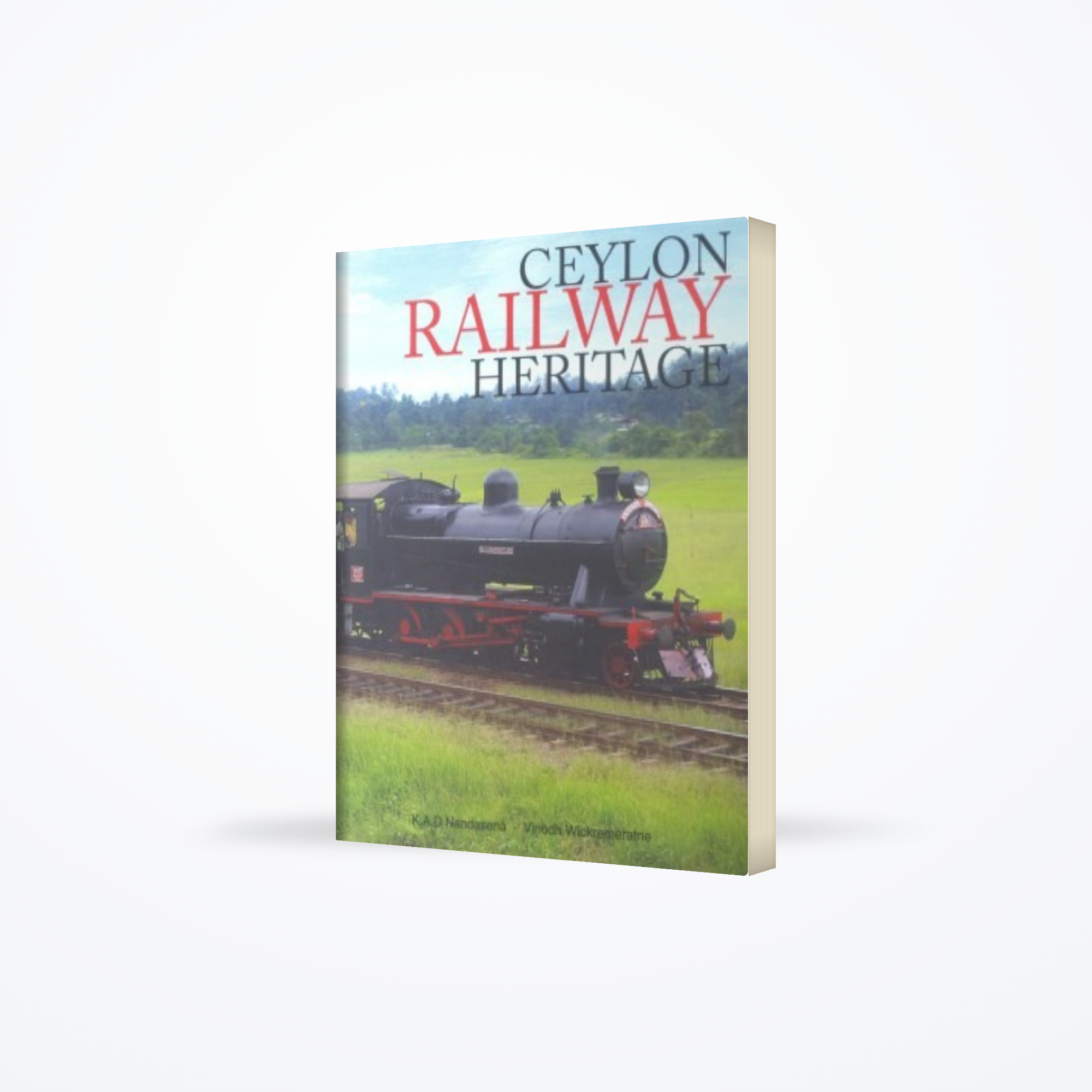
The broader story of Sri Lanka's rail heritage, including the colonial engineering legacy of this route, is well documented in specialist volumes such as Ceylon Railway Heritage, which traces the full history of the island's network from its inception.
What can travellers see and do near Ulapane Station?
The station itself is a calm observation point. Arriving trains often carry a mix of daily commuters, school children, and tourists, and the platform sees a brief flurry of activity before returning to quiet. The experience of simply sitting on the platform and watching the highland landscape settle back into stillness after a train departs is, for many visitors, unexpectedly memorable.
Beyond the platform, the surrounding countryside is the real draw:
- Tea estates: The hillsides around Ulapane are blanketed in tea cultivation. Visitors interested in understanding Ceylon Tea — its production, grading, and cultural significance — will find this part of the Nuwara Eliya District particularly instructive. Some estates in the area accept visitors.
- Walking and cycling: The minor roads threading through the tea country near Ulapane are suitable for gentle exploration on foot or by bicycle. Traffic is light and the gradients, while noticeable, are manageable for most walkers.
- Waterfalls: The hill country between Gampola and Nawalapitiya is punctuated by waterfalls fed by the region's high rainfall. Several are accessible from roadside paths without specialist equipment.
- Horton Plains: Travellers continuing up the Main Line can alight at Nanu Oya for access to Horton Plains National Park, one of Sri Lanka's most biodiverse highland plateaus.
- Bluefield Tea Gardens: A short drive from the broader Gampola corridor, Bluefield Tea Gardens offers a structured look at highland tea cultivation and processing that complements a visit to this part of the Nuwara Eliya District.
How do I get to Ulapane Railway Station from Colombo?
Ulapane is served by trains running on the Main Line from Colombo Fort Station. The journey through Kandy and up into the highlands takes several hours, depending on the service — intercity expresses are faster but stop at fewer stations, while slower trains call at Ulapane itself. It is worth checking the Sri Lanka Railways schedule in advance, as not all services stop at smaller stations along this stretch.
If you are travelling by road, Ulapane can be reached via the A5 highway that connects Kandy with Nuwara Eliya, turning off toward the station via local roads. A private driver familiar with the hill country is the most flexible option for combining a station visit with broader exploration of the surrounding estates and viewpoints.
When is the best time to visit Ulapane and the hill country?
The Nuwara Eliya highlands receive two monsoon seasons, and the experience at Ulapane shifts considerably depending on when you visit.
| Period | Conditions | Notes for Visitors |
|---|---|---|
| January – March | Dry, cooler nights | Clearest views; ideal for walking the tea estates |
| April – June | South-west monsoon begins | Lush greenery; some afternoon rain; waterfalls at their best |
| July – September | Heavier south-west monsoon | Mist and rain are common; atmospheric but less suited to walking |
| October – December | North-east monsoon; transitional | Unpredictable; some clear spells; tea harvest active |
January through early April is generally considered the most comfortable window for hill-country rail travel, with reliable dry spells and good visibility across the highland valleys.
What is the role of Ulapane Station in the local economy?
For the communities living on the slopes above and below the station, Ulapane is more than a scenic stop — it is a functional link to the wider economy. Residents board trains here to reach Gampola, Nawalapitiya, and Kandy for work, schooling, and commerce. Agricultural produce from nearby smallholdings and larger tea estates has historically moved through the rail network, and while road transport now dominates freight, the social role of the station remains significant.
The tea sector in particular shapes the character of this part of the district. Workers, factory staff, and estate managers all rely on the rail and road connections that Ulapane sits within, and the rhythms of the station — busy in the early morning, quiet at midday — reflect those working patterns directly.
Is Ulapane worth stopping at as a tourist?
Ulapane is not a destination in the conventional sense. It has no grand monument, no heritage museum, and no formal visitor infrastructure. What it offers is something harder to package: the sensation of being genuinely off the beaten path on a world-class railway journey, in a landscape that has shaped Sri Lankan culture and commerce for well over a century. Travellers who stop — or who simply press their faces to the train window as the service rolls through — tend to remember Ulapane precisely because it asks nothing of them in return.
For those building a broader hill-country itinerary, pairing a train journey through Ulapane with time in Kandy and onward to Ella creates a natural narrative arc through Sri Lanka's most celebrated inland landscapes.
Ulapane railway station timetable
22 trains call at Ulapane on a typical day.
Main Line · 134.3 km from Colombo Fort · Central Province
Station telephone: 081-2352671
| Departs | Towards | Train | Runs |
|---|---|---|---|
| 12:38 am | Badulla | Night Mail | Daily |
| 01:20 am | Colombo Fort | Night Mail | Daily |
| 04:40 am | Badulla | Daily | |
| 05:51 am | Kandy | Daily | |
| 06:51 am | Kandy | Daily | |
| 07:30 am | Nawalapitiya | Daily | |
| 08:06 am | Colombo Fort | Daily | |
| 09:47 am | Badulla | Denuwara Menike | Daily |
| 10:49 am | Nawalapitiya | Daily | |
| 10:50 am | Kandy | Daily | |
| 11:50 am | Badulla | Podi Menike | Daily |
| 12:20 pm | Colombo Fort | Udarata Menike | Daily |
| 03:08 pm | Colombo Fort | Daily | |
| 03:09 pm | Nawalapitiya | Daily | |
| 04:43 pm | Colombo Fort | Podi Menike | Daily |
| 05:01 pm | Kandy | Daily | |
| 06:18 pm | Nanuoya | Daily | |
| 07:31 pm | Kandy | Daily | |
| 08:10 pm | Nawalapitiya | Weekdays Only | |
| 08:17 pm | Nawalapitiya | Daily | |
| 08:25 pm | Nawalapitiya | Saturday and Sunday Only | |
| 11:01 pm | Badulla | Daily |
Timetable mirrored from published Sri Lanka Railways schedules, last checked 2026-09-07. Times can change without notice — confirm with the railway before travelling. See the whole network on the Sri Lanka railway station list.