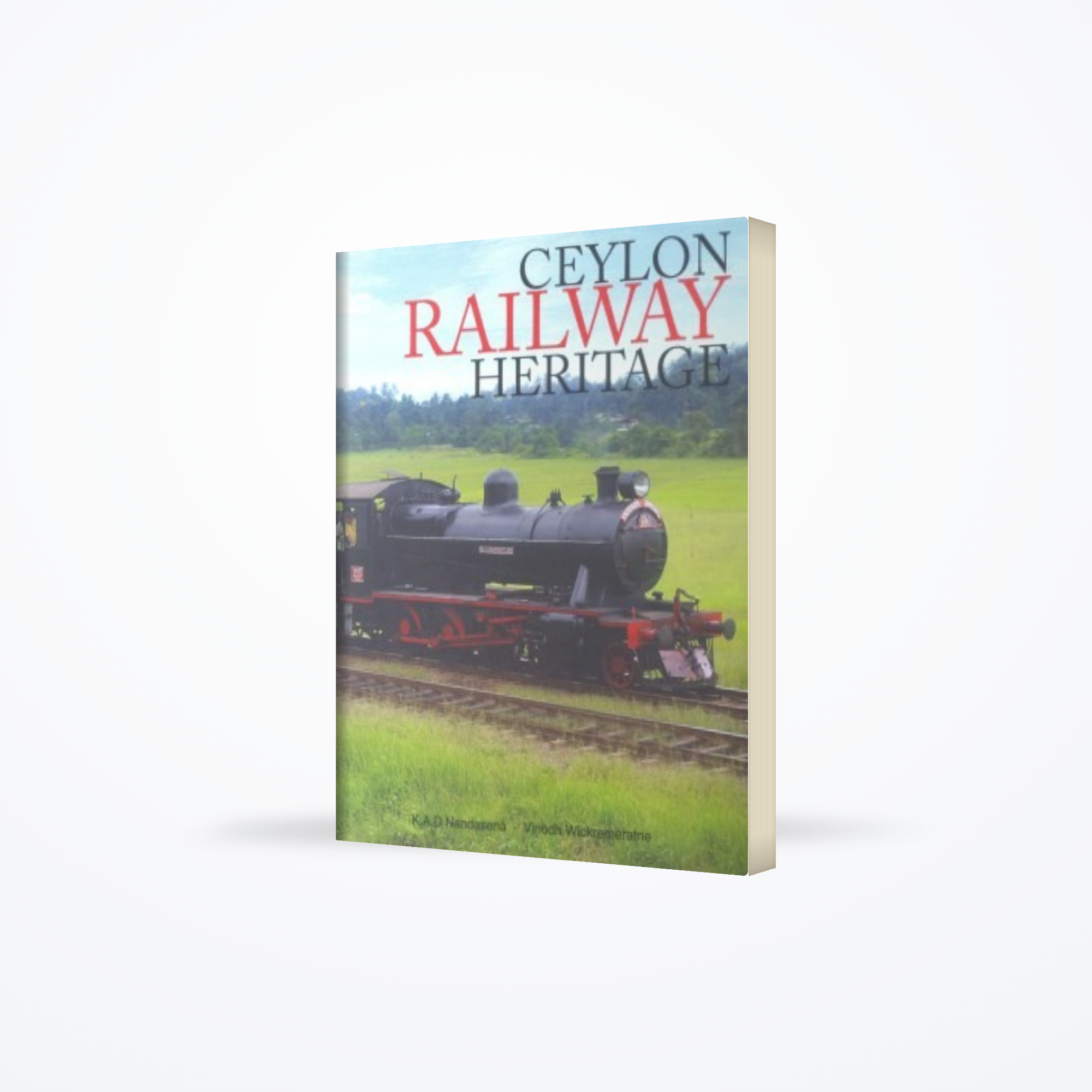
Thalpe Railway Station sits quietly on Sri Lanka's Southern Railway Line, roughly midway between Galle and Hikkaduwa. It is a small, unhurried halt that most express trains bypass entirely — yet for travellers who slow down enough to notice it, Thalpe offers something the busier coastal towns cannot: a stretch of southern shoreline that still belongs, in large part, to the people who live there.
Where exactly is Thalpe, and how do I get there?
Thalpe is a low-key coastal village in the Galle District, Southern Province, tucked between the fort city of Galle to the northeast and the reef-diving hub of Hikkaduwa to the northwest. The railway station is a request stop on the Coastal Line, meaning slower intercity and commuter trains will halt here on demand — it is worth confirming this with station staff before you travel.
From Colombo Fort Station, trains on the Main Line South call at Galle (around three to four hours by express) before continuing toward Hikkaduwa; Thalpe lies between those two points. Alternatively, a private transfer from Colombo Bandaranaike International Airport to Thalpe takes roughly two to two-and-a-half hours by road and is the most comfortable option if you are arriving with luggage or travelling as a family.
From Galle, tuk-tuks cover the short distance to Thalpe in under fifteen minutes and are easy to find outside Galle Railway Station. The Galle City Tour makes a natural half-day addition for anyone based in Thalpe, given how close the two are.
What is the railway line's history?
The Coastal Line from Colombo to Matara was developed under British colonial administration during the late nineteenth century, primarily to move goods — coconut products, rubber, and cinnamon — from the fertile southern lowlands to the capital's port. Thalpe Station emerged as part of this network, serving a fishing and farming community that depended on rail access to Galle's markets long before private vehicles became common.
The line is widely regarded as one of the most scenic in Asia. For a considerable stretch south of Colombo the track runs along a narrow coastal shelf, with the Indian Ocean breaking against the rocks just a few metres from the carriage windows. This geography — beautiful but also vulnerable — means sections of the line were heavily damaged during the 2004 Indian Ocean tsunami; reconstruction and upgrades have continued in the years since.
What can I see and do around Thalpe Station?
Thalpe's appeal is deliberately understated. The village is best known for:
- Stilt fishing: The traditional pole-fishing practised along this coastline is one of southern Sri Lanka's most photographed sights. Fishermen balance on slender stilts driven into the seabed, casting their lines into the shallow surf — a technique said to have been adopted after World War II when fish were scarce and space on the rocks was shared by necessity.
- Quiet beaches: Unlike Hikkaduwa, Thalpe's beaches see relatively light tourist footfall. The water can be rough during the southwest monsoon (May to September), but the shoulder months either side offer calm swimming conditions.
- Boutique villa accommodation: Thalpe has become a discreet address for architect-designed villas and small guesthouses, many occupying old coconut estates set back from the coast. Rates and quality vary considerably; booking through a reputable local operator helps.
- Koggala and surrounds: A short distance southeast, Koggala Lake hosts the Koggala Sea Turtle Conservation Project, where visitors can learn about nesting cycles and hatchery work protecting endangered sea turtles.
- Day trips by rail: One of the most rewarding uses of Thalpe's station is as a base for short rail excursions — north to Hikkaduwa for snorkelling and reef walks, or south into Galle Fort for colonial-era architecture, boutique shopping, and the ramparts at dusk.
When is the best time to visit Thalpe?
The Southern Province's dry season runs broadly from November through April, when the southwest monsoon has retreated and the sea along this coastline is at its calmest. December and January bring the highest visitor numbers to the south, so accommodation books up early. February and March offer a quieter window with reliable weather.
The southwest monsoon arrives around late May and typically eases by September. During this period the sea is not suitable for swimming at most southern beaches, though the countryside is lush, prices are lower, and the famous train journey along the coast takes on a dramatic, storm-lit quality that many photographers seek out deliberately.
Is Thalpe suitable as a base for exploring the wider south?
Yes — and this is arguably its strongest selling point. Within an hour's drive you can reach the Galle Dutch Fort (a UNESCO World Heritage Site), the wetland waterways of Madu River Safari, and the sea turtle hatcheries at Kosgoda. Inland, the road toward Udawalawe passes through rolling estates and small towns largely untouched by tourism.
The train is particularly useful for day trips, since road traffic between Galle and Colombo can be slow on weekends and public holidays. Keeping a private vehicle or tuk-tuk on call for inland excursions, while using the railway for coastal hops, tends to be the most efficient arrangement.
What practical details should I know before arriving at Thalpe Station?
| Detail | Notes |
|---|---|
| Station type | Unstaffed request halt; no ticketing office on site |
| Trains stopping | Slow and semi-express services only; check timetable before travel |
| Nearest staffed station | Galle (southwest) and Hikkaduwa (northwest) |
| Ticket purchase | Buy at Galle or Hikkaduwa station, or on board from the guard |
| Platform facilities | Minimal; no waiting room or refreshment stalls at the halt itself |
| Onward transport | Tuk-tuks available near the main road; pre-arrange for early departures |
How does the Thalpe coastal stretch compare to Hikkaduwa or Unawatuna?
Hikkaduwa, a short train ride north, is Sri Lanka's most developed reef-diving and surf destination on the south coast — busier, louder, and oriented firmly toward backpackers and dive groups. Unawatuna, just east of Galle, has a sheltered bay popular with families but is densely built up in its core. Thalpe sits between these extremes in character as well as geography: more private than either, with no real beach strip of bars and rental shops, and accommodation weighted toward villas rather than budget hostels.
For travellers who want coastal Sri Lanka without the crowd, Thalpe rewards the slight extra effort it takes to arrive there.
Thalpe railway station timetable
21 trains call at Thalpe on a typical day.
Coast Line · 124.3 km from Colombo Fort · Southern Province
| Departs | Towards | Train | Runs |
|---|---|---|---|
| 05:28 am | Maradana | Sagarika | Weekdays Only |
| 05:29 am | Matara | Weekdays Only | |
| 05:47 am | Matara | Saturday Only | |
| 07:04 am | Maradana | Galu Kumari | Daily |
| 07:20 am | Matara | Weekdays Only | |
| 07:55 am | Galle | Daily | |
| 09:56 am | Colombo Fort | Daily | |
| 09:57 am | Beliaththa | Daily | |
| 11:26 am | Matara | Daily | |
| 11:27 am | Galle | Weekdays Only | |
| 01:11 pm | Beliaththa | Daily | |
| 02:15 pm | Colombo Fort | Daily | |
| 02:31 pm | Matara | Weekdays Only | |
| 02:57 pm | Maradana | Daily | |
| 05:00 pm | Beliaththa | Galu Kumari | Daily |
| 05:22 pm | Beliaththa | Daily | |
| 06:03 pm | Galle | Weekdays Only | |
| 07:06 pm | Beliaththa | Sagarika | Weekdays Only |
| 07:06 pm | Galle | Weekdays and Saturday Only | |
| 08:53 pm | Galle | Daily | |
| 09:07 pm | Beliaththa | Weekdays Only |
Timetable mirrored from published Sri Lanka Railways schedules, last checked 2026-09-07. Times can change without notice — confirm with the railway before travelling. See the whole network on the Sri Lanka railway station list.