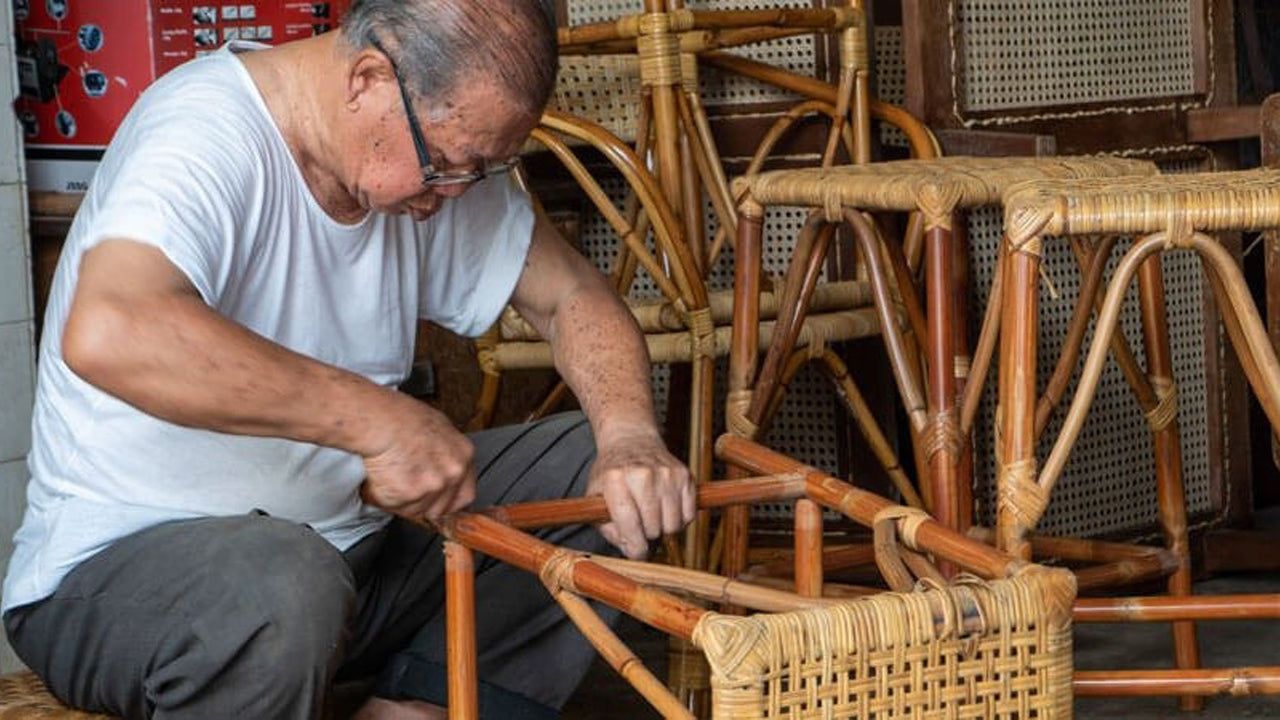
Sooriya Weaving Mills in Walahanduwa is one of the last functioning handloom factories in Sri Lanka and the largest such operation in the Southern Province. Entry is free, making it an accessible and genuinely educational stop for travellers curious about traditional Sri Lankan textile craft. Watching weavers work at wooden looms — producing cloth using techniques passed down through generations — offers a very different window into local life than the beaches and temples that dominate most southern itineraries.
What can you see and buy at Sooriya Weaving Mills?
The mill operates as both a working factory and a retail outlet, so visitors can watch the weaving process before browsing a wide range of handloom products. The looms are typically active during weekday business hours, giving you the best chance of seeing the craft in action.
Items available in the outlet include:
- Custom-made clothing and fabric by the metre
- Shawls and wraps
- Table runners and mats
- Serviettes and kitchen towels
- Bed linen and bed runners
- Bath towels and sunbed covers
- Cushion covers
- Souvenirs and gift items
The handloom cloth produced here is noticeably different from machine-made fabric — slightly irregular in weave, softer over time, and made without synthetic shortcuts. Pieces from Sooriya make practical, culturally meaningful gifts that are difficult to source elsewhere.
Why does handloom weaving matter in Sri Lanka?
Handloom weaving has a long history on the island, with traditional textiles forming part of ceremonial dress, household linen, and trade goods for centuries. The industry contracted sharply in the twentieth century as power-loom production became cheaper, leaving only a handful of mills still practising the craft at any scale. Sooriya Weaving Mills is significant precisely because it has maintained handloom production rather than converting to mechanised alternatives. Supporting the outlet directly sustains the livelihoods of the weavers employed there and keeps a living craft tradition from disappearing entirely.
Where is Sooriya Weaving Mills and how do I get there?
The mill is located in Walahanduwa, approximately 7 km from Galle city centre along the southern coast road. From Galle, the most straightforward options are a tuk-tuk or a private car — the drive takes around 15 minutes depending on traffic. If you are based in Colombo, Galle is roughly 119 km to the southwest; the Southern Expressway (E01) brings journey times to around two hours by private vehicle.
Combining a visit to Sooriya Weaving Mills with a Galle city tour works well logistically — you can explore the UNESCO-listed Galle Fort in the morning and head to Walahanduwa in the afternoon, or vice versa.
Is there an entrance fee?
No. Entry to Sooriya Weaving Mills is free of charge. The outlet is open to individual visitors as well as tour groups, and there is no obligation to purchase. That said, the products are fairly priced and the sale of handloom goods is what keeps the operation running, so browsing with intent is appreciated.
What else is worth visiting near Walahanduwa and Galle?
The area around Galle offers a concentrated range of attractions within a short drive of one another. Beyond the Galle Fort — a UNESCO World Heritage Site and the largest remaining European-built fortress in Asia — the southern coast has several other worthwhile stops:
- Koggala: a coastal lagoon with islands and a working cinnamon estate, as well as the Koggala Sea Turtle Conservation Project.
- Madu Ganga: a mangrove river system a short drive north of Galle, navigable by boat. The Madu River Safari is a popular half-day excursion.
- Midigama and Ahangama: quiet coastal villages between Galle and Matara, known for reef surf breaks and traditional stilt fishing.
- Sinharaja Forest Reserve: Sri Lanka's last significant lowland rainforest, roughly 60 km inland. A day trip from Galle is feasible for serious nature travellers. More detail on the reserve is available on the Sinharaja Forest Reserve page.
What is the best time of year to visit?
The Southern Province experiences its dry season roughly from November through April, when the southwest monsoon has cleared. This is the most reliable period for travel along the Galle coast. The mill itself operates year-round regardless of weather, since it is an indoor facility, so a visit can fit comfortably into an itinerary at almost any time of year. If you are combining the mill with beach time or boat trips on the Madu River, the November-to-April window offers the most settled conditions.
About the Galle District and Southern Province
Galle is the largest city in southern Sri Lanka and the capital of the Southern Province, which also encompasses the districts of Matara and Hambantota. The region blends coastal fishing culture, agriculture, and a legacy of Portuguese, Dutch, and British colonial presence — all visible in Galle Fort's layered architecture. Sooriya Weaving Mills fits naturally into this cultural landscape: the Southern Province has long been associated with cottage industries and crafts that predate colonisation and have survived, in reduced form, into the present day.
Inland from the coast, the province borders the wildlife-rich lowlands that include Udawalawe National Park, one of the best places in Sri Lanka to observe wild elephants in open grassland. A longer southern circuit can combine Galle, Walahanduwa, Udawalawe, and the hill country beyond in a week or so of travel.
Nearby places
9 places within about 25 km, nearest first.
- Thalpe Railway Station2 km
- Kathaluwa Railway Station3 km
- Galle Lighthouse3 km
- Flag rock bastion4 km
- Aeolus Bastion4 km
- Trion Bastion4 km
- Weddagala4 km
- Moon Bastion4 km
- Gintota City5 km
Related reading
1 pages on closely related subjects.