The Sri Angulimala Maha Stupa stands in Anuradhapura, Sri Lanka's ancient sacred city, as a monument to one of Buddhism's most compelling narratives: the complete transformation of a violent outcast into a devoted follower of the Buddha. For pilgrims and curious visitors alike, the stupa offers a quiet space for reflection on the themes of redemption, compassion, and spiritual renewal that sit at the heart of Buddhist teaching.
Who was Angulimala, and why is this stupa dedicated to him?
Angulimala — whose name translates roughly as "garland of fingers" — was, according to the Pali Canon, a feared bandit who wore a necklace of fingers taken from his victims. The story recounts that he had killed 999 people and was pursuing his own mother to complete the tally of one thousand when the Buddha intervened, walking calmly toward him. The encounter stopped Angulimala in his tracks. He renounced violence, entered the monastic order, and eventually attained enlightenment as an arahant — one who has fully awakened.
This story is preserved in the Aṅgulimāla Sutta of the Majjhima Nikaya and has been a touchstone for Buddhist reflections on forgiveness and the possibility of change. The stupa at Anuradhapura memorialises that tradition and gives the story a physical home in Sri Lanka's most sacred ancient city.
What does the Sri Angulimala Maha Stupa look like?
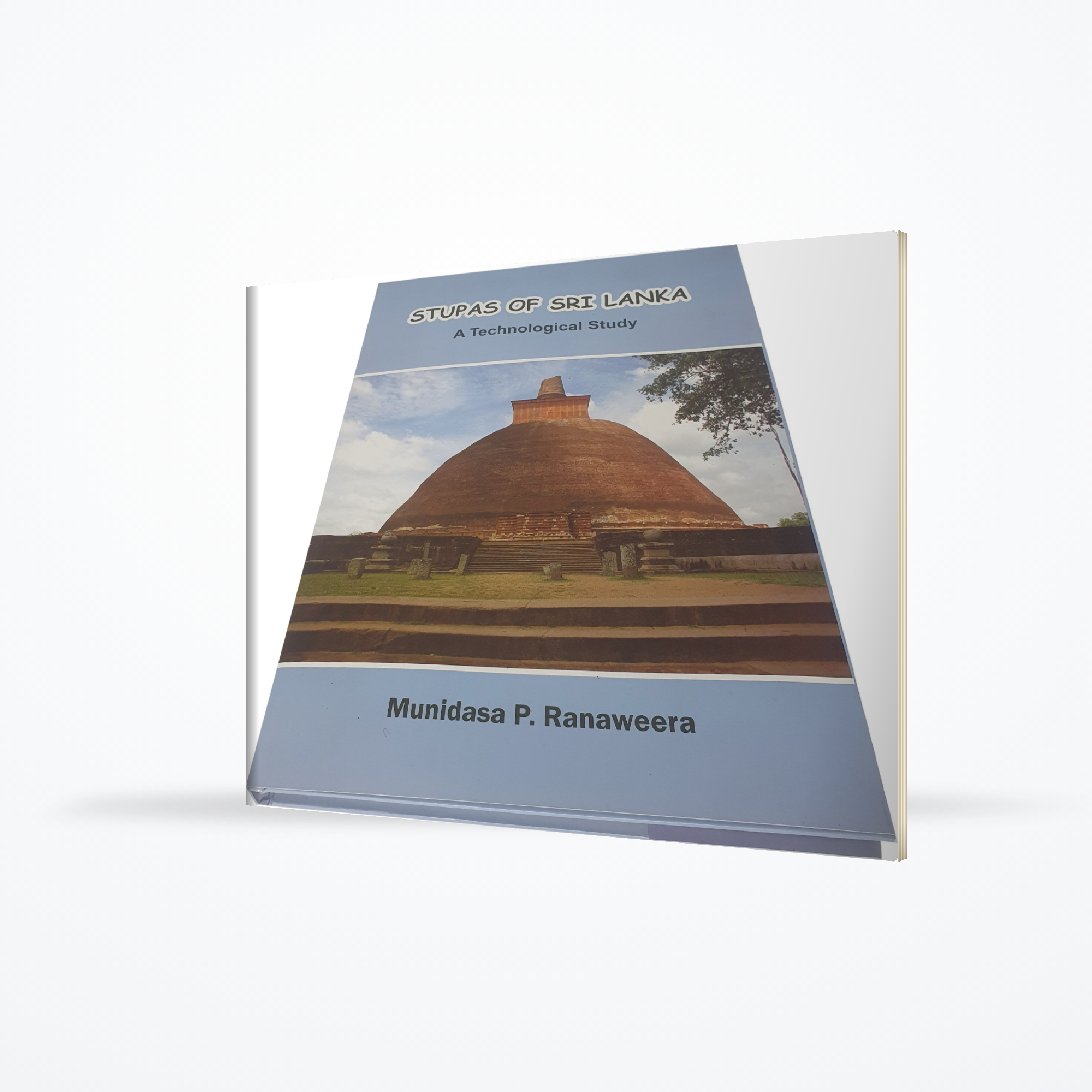
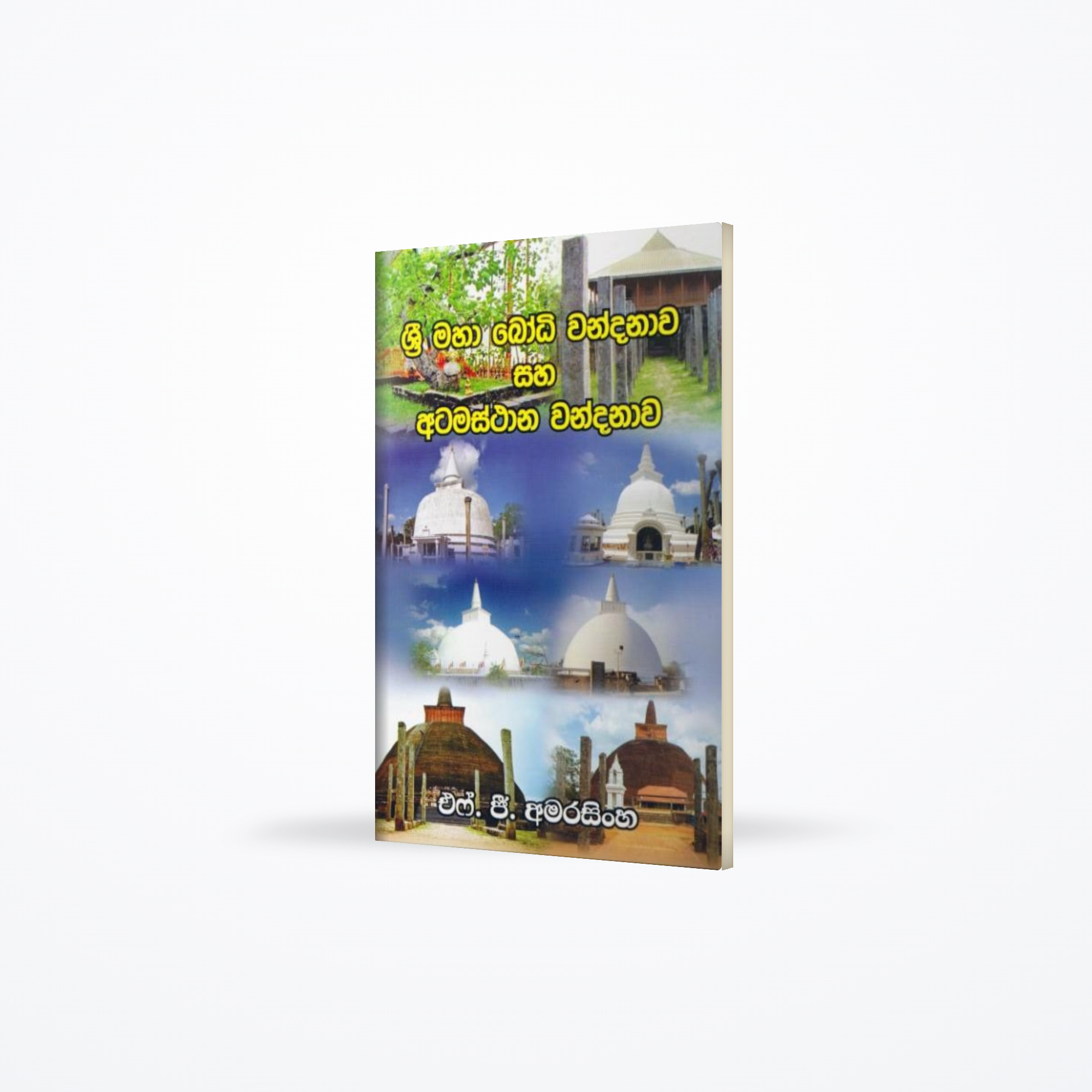
The stupa follows the classical Sri Lankan dagoba form: a solid hemispherical dome rising from a tiered platform, topped by a square relic chamber (hatharessa kotuwa) and a tapering spire. The structure blends the ancient architectural vocabulary of Anuradhapura's great dagobas with more recent construction techniques, giving it a clean, whitewashed appearance that glows in the afternoon light. Smaller shrine pavilions and meditation areas occupy the grounds around the main dome, providing sheltered spaces for worship and quiet contemplation. Flags, oil-lamp holders, and offering tables are arranged in the traditional manner expected at any active pilgrimage site.
Anuradhapura itself is home to some of the largest stupas in the ancient world — Jetavanaramaya, Ruwanwelisaya, and Abhayagiriya among them — and visiting the Angulimala stupa fits naturally into a broader circuit of the city's monuments.
What can visitors do at the stupa?
- Pilgrimage and worship: Sri Lankan Buddhists visit to make offerings of flowers, incense, and oil lamps, observing the customary rituals of vandana (veneration). Modest, respectful dress — shoulders and knees covered — is expected.
- Meditation: The grounds include quieter areas set aside for seated meditation. Early mornings, before organised groups arrive, offer the most serene atmosphere.
- Learning the narrative: Interpretive elements on site help visitors unfamiliar with the Angulimala story understand its place in Buddhist literature and ethics.
- Photography: The whitewashed dome against the blue sky of the dry zone makes for clean architectural images, though visitors should be mindful of worshippers and avoid pointing cameras directly at people in prayer.
When is the best time to visit the Sri Angulimala Maha Stupa?
Anuradhapura sits in Sri Lanka's dry zone, and the most comfortable visiting period runs from around December through April, when rainfall is minimal and temperatures, while warm, are manageable. The area receives its main rains from the northeast monsoon between October and January, though showers tend to be brief. Mid-year months — June through August — can be very hot, so early-morning visits are advisable during that period.
Poya days (full-moon days observed each month) see a marked increase in pilgrims at all Anuradhapura sites. Visiting on a Poya day offers an immersive view of living Buddhist practice, though the grounds will be busier and parking more challenging. The Esala Perahera Festival season (July–August) heightens religious atmosphere across the country, and Anuradhapura's own Poson Poya in June — commemorating the arrival of Buddhism in Sri Lanka — draws especially large crowds to the sacred city.
How do I get to the Sri Angulimala Maha Stupa from Colombo?
Anuradhapura lies roughly 200 km north of Colombo and is accessible by several routes. The most convenient option for independent travellers is the intercity express train from Colombo Fort station, a journey of around four to four and a half hours depending on the service. Buses depart regularly from Colombo's Bastian Mawatha terminal and typically take a similar time. By private car or driver, the A9 highway links Colombo to Anuradhapura in approximately three to three and a half hours, depending on traffic leaving the capital.
Within Anuradhapura, tuk-tuks and bicycles (widely available for hire near the train station) are the most practical ways to move between the sacred zone monuments. The sacred precinct is large — a full circuit on foot is tiring — and a bicycle gives good freedom without contributing to congestion near the shrines.
Is the Sri Angulimala Maha Stupa inside the Anuradhapura sacred area?
Anuradhapura's archaeological zone, managed by the Central Cultural Fund and the Department of Archaeology, covers a substantial area. Entry fees apply to the main archaeological precinct; check current rates with the Central Cultural Fund or your accommodation on arrival, as they are subject to periodic revision. Some individual sites within the city have their own entry arrangements. The Angulimala stupa functions as an active religious site as well as a heritage monument, so religious protocols take precedence over tourist convenience — follow the lead of local worshippers and any posted instructions.
What else is worth seeing near the stupa in Anuradhapura?
Anuradhapura rewards a full day — or even an overnight stay. Within the sacred city, the Sri Maha Bodhi (a branch of the original Bodhi tree under which the Buddha attained enlightenment, and one of the oldest documented trees in the world), Ruwanwelisaya Dagoba, Jetavanaramaya, and the Isurumuniya Rock Temple are all within a manageable distance. Mihintale, the hill where Buddhism is said to have been formally introduced to Sri Lanka in the 3rd century BCE, is about 13 km east of the city and makes a rewarding half-day excursion.
Those extending their journey northward may also consider Wilpattu National Park, Sri Lanka's largest national park, which lies roughly 30 km to the west of Anuradhapura and is accessible as a day trip or as part of a longer northern circuit.
Practical information at a glance
| Detail | Information |
|---|---|
| Location | Anuradhapura, North Central Province, Sri Lanka |
| Best visiting months | December to April |
| Dress code | Shoulders and knees covered; remove footwear before entering shrine areas |
| Photography | Permitted in grounds; be respectful of worshippers |
| Nearest city | Anuradhapura (city centre approx. 3–5 km depending on route) |
| Getting there | Train or bus from Colombo (approx. 4 hrs); private car approx. 3–3.5 hrs |
Nearby places
10 places within about 25 km, nearest first.
- Atamasthanaunder 1 km
- Jetavanaramaya Stupaunder 1 km
- Thuparamaya Stupaunder 1 km
- Ruwanweliseya Stupaunder 1 km
- Anuradhapura Maha Viharayaunder 1 km
- Mirisawetiya Stupaunder 1 km
- Jetavana Monasteryunder 1 km
- Temple of Tooth Anuradhapuraunder 1 km
- Nuwara Wewa2 km
- Puliyankulama monastery2 km
Related reading
6 pages on closely related subjects.