

Few neighbourhoods in Colombo carry as much compressed history as Slave Island — known in Sinhala as කොම්පඤ්ඤ වීදිය (Kompañña Veediya, or Company Street). Wedged between Beira Lake and the rail line that cuts through the city's heart, this small peninsula has absorbed centuries of colonial interference, waves of migration, and now the pressure of rapid commercial development. Walking its blocks is one of the more honest ways to read Colombo's past and present at the same time.
What is the history behind Slave Island's name?
The name dates to the era of Dutch and later British colonial rule. Under the Dutch East India Company (VOC), enslaved people — many of them brought from East Africa and the Indonesian archipelago — were settled on this low-lying land beside Beira Lake. The lake itself served as a natural moat, keeping the enslaved population contained on what was effectively an island. When the British took control of the maritime provinces in 1796, slavery continued for several more decades before abolition. Long after emancipation, the colonial name stuck, and it persists in common use today even as official signage increasingly favours Kompañña Veediya.
The Company Street name has its own colonial echo: it references the trading companies — Dutch and British — that administered the area and whose warehouses and barracks once defined the landscape.
What does Slave Island look like today?
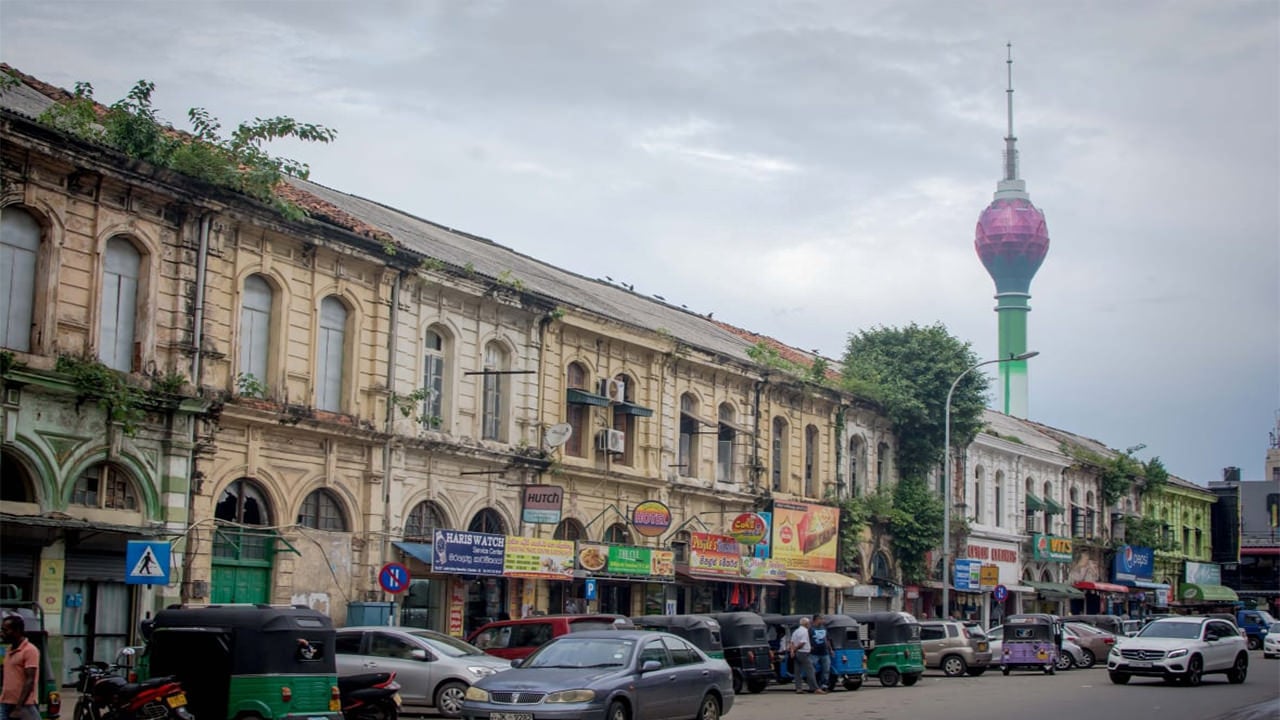
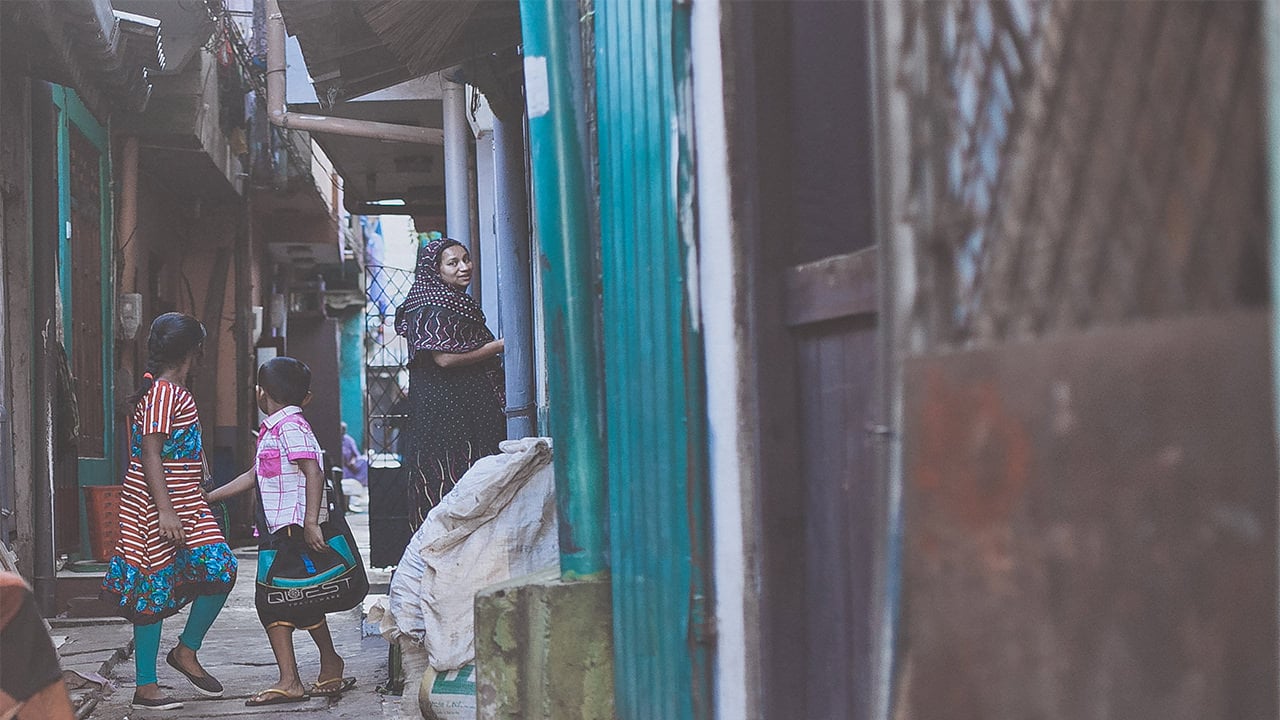
The Slave Island of the twenty-first century is a study in contrasts. On one block you might find a glass-fronted office tower under construction; on the next, a row of low buildings painted in faded ochres and greens, their walls softened by decades of monsoon and moss. Residents whose families have lived here for generations navigate these changes from homes tucked inside structures that look unchanged since mid-century.
Street art surfaces unexpectedly on compound walls — work attributed to visiting artists, including the French stencil artist C215, has appeared here. The overall visual texture is dense: incongruous iron gates, laundry strung between balconies, children crossing the railway line on foot, and the shimmer of Beira Lake glimpsed at the end of a narrow lane.
Why is Slave Island known for religious diversity?
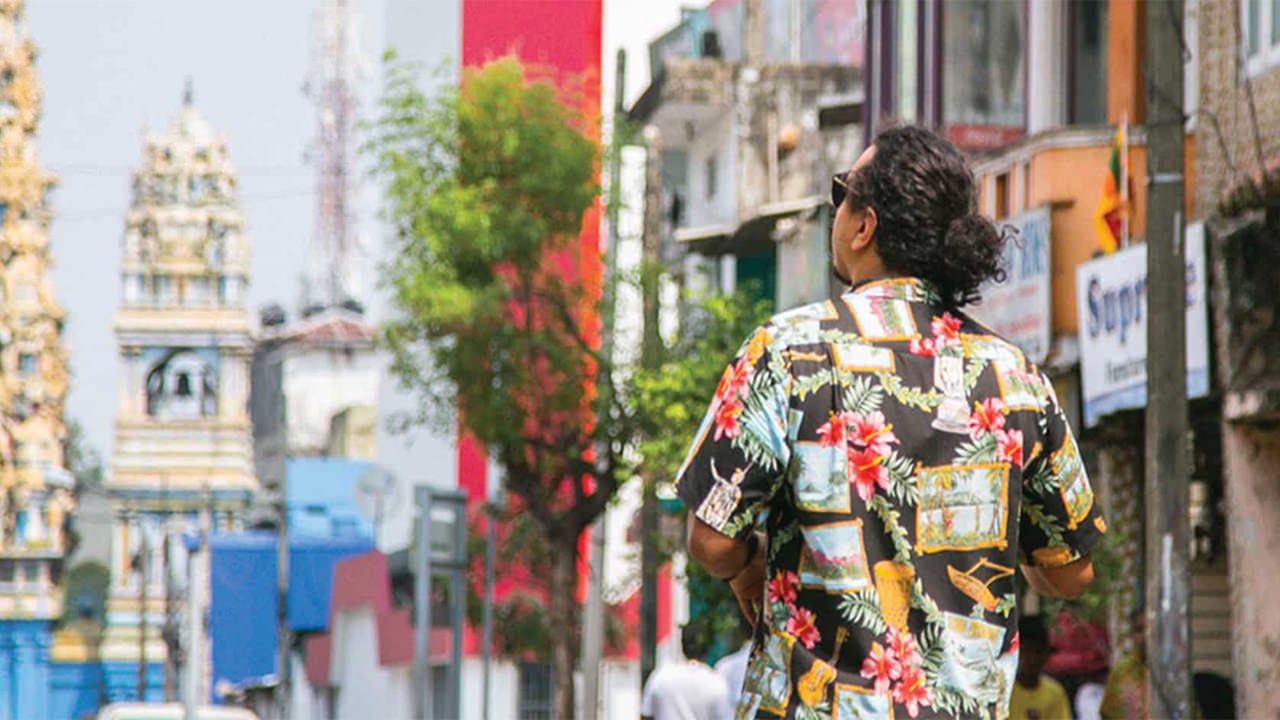
One of the neighbourhood's most remarked-upon qualities is the concentration of different faiths within a very small area. Within a single block it is possible to find a Buddhist temple, a Hindu kovil, a mosque, and a Christian church standing in close proximity. This reflects the layered settlement history of the area — Tamil and Sinhalese communities, Muslim families who have traded in Colombo for generations, and the residual Christian institutions left by colonial administrators.
The Muslim community is now among the most visible in Slave Island, and the sounds and rhythms of Friday prayers, kovil festivals, and church bells give the neighbourhood an auditory character quite different from other parts of central Colombo. This multi-faith coexistence has persisted through the social upheavals of the twentieth century and is one of the reasons urban historians pay attention to this district.
How is Slave Island changing — and what might be lost?
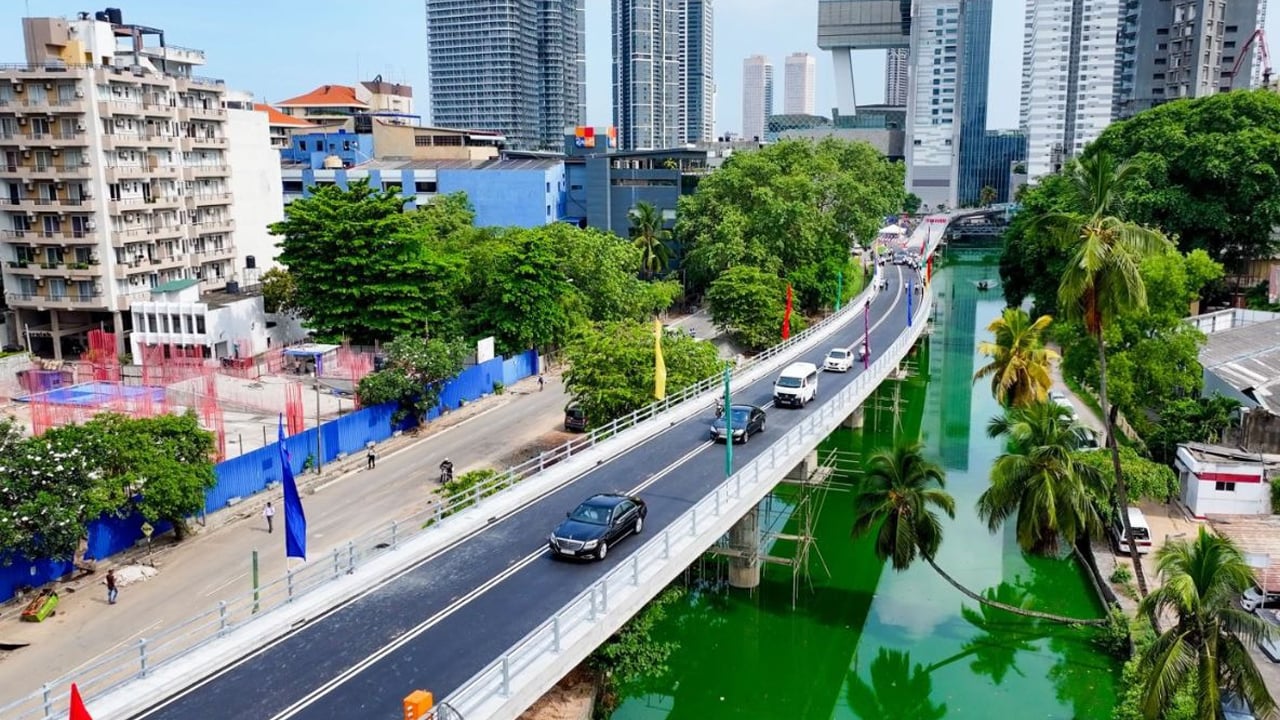
Commercial development has been reshaping Slave Island for the better part of two decades. Hotels, mixed-use towers, and corporate offices now occupy plots that were once densely residential. The pressure comes partly from the neighbourhood's location: it sits within easy reach of the Fort business district and the Galle Road corridor, making the land commercially attractive.
The Colombo Lotus Tower, visible from much of the city, rises just across Beira Lake and signals the scale of ambition the city has for this precinct. As development accelerates, the older built fabric — the yellowed walls, the covered verandas, the informal street commerce — faces real pressure. Neighbourhoods like Slave Island that retain this kind of layered, imperfect character are increasingly rare in fast-growing South Asian cities.
Urban planners and heritage advocates have noted the tension between efficient land use and the social fabric that dense, affordable inner-city neighbourhoods like this one sustain. Whether a middle path can be found — preserving some of the neighbourhood's character while accommodating growth — remains an open question.
Where exactly is Slave Island, and how do I get there?
Slave Island occupies a peninsula south-west of Colombo Fort, bounded by Beira Lake to the north and west and by the main rail corridor to the east. The Slave Island railway station serves the area directly and is one stop south of Fort on the coastal line — most trains running from Colombo Fort toward Mount Lavinia or Galle stop here.
By road, the neighbourhood is roughly ten to fifteen minutes from Fort by tuk-tuk in light traffic, though congestion during peak hours can extend that considerably. If you are combining a visit here with a broader look at the city, a Colombo city tour with a knowledgeable local guide is an efficient way to place Slave Island in context alongside Pettah, the Galle Face promenade, and the Fort district.
What should I look out for when visiting Slave Island?
- Beira Lake frontage: The western edge of the neighbourhood opens onto Beira Lake. Early mornings are quiet here, and the light across the water is worth the early start.
- Multi-faith streetscape: Walk slowly along the blocks between Station Road and Maradana Road to appreciate how different religious structures coexist in close quarters.
- Street art: Look for stencil work and murals on compound walls — the density of graffiti and commissioned art varies season to season as new work appears and older pieces weather away.
- Architectural texture: The older residential buildings reward close attention — carved timber brackets, tiled roofs, and the kind of decorative ironwork that has largely disappeared from newer construction.
- Local food: The neighbourhood has several small Muslim-owned eateries and short-eats shops. Rice-and-curry at a family-run spot here is typically straightforward and inexpensive.
Is Slave Island safe for visitors?
Slave Island is a functioning residential and commercial neighbourhood — busy, dense, and generally safe for visitors who exercise the same awareness they would in any urban area. As with Pettah and other crowded Colombo districts, keep an eye on your belongings in particularly congested spots. Wandering with a camera is common and generally unremarkable to residents, though it is courteous to ask before photographing people closely. Evenings are quieter than mornings, as much of the commercial activity winds down after dark.

