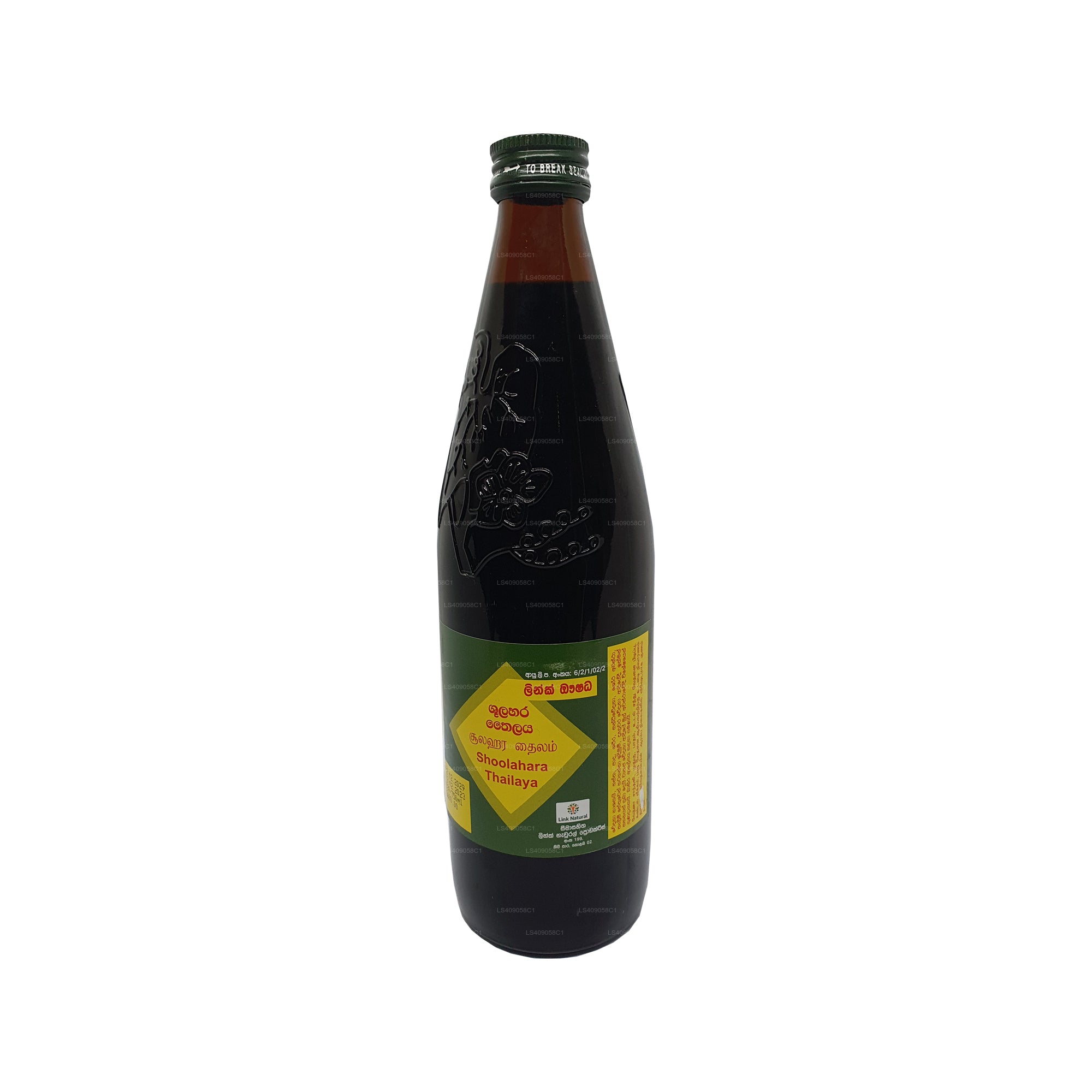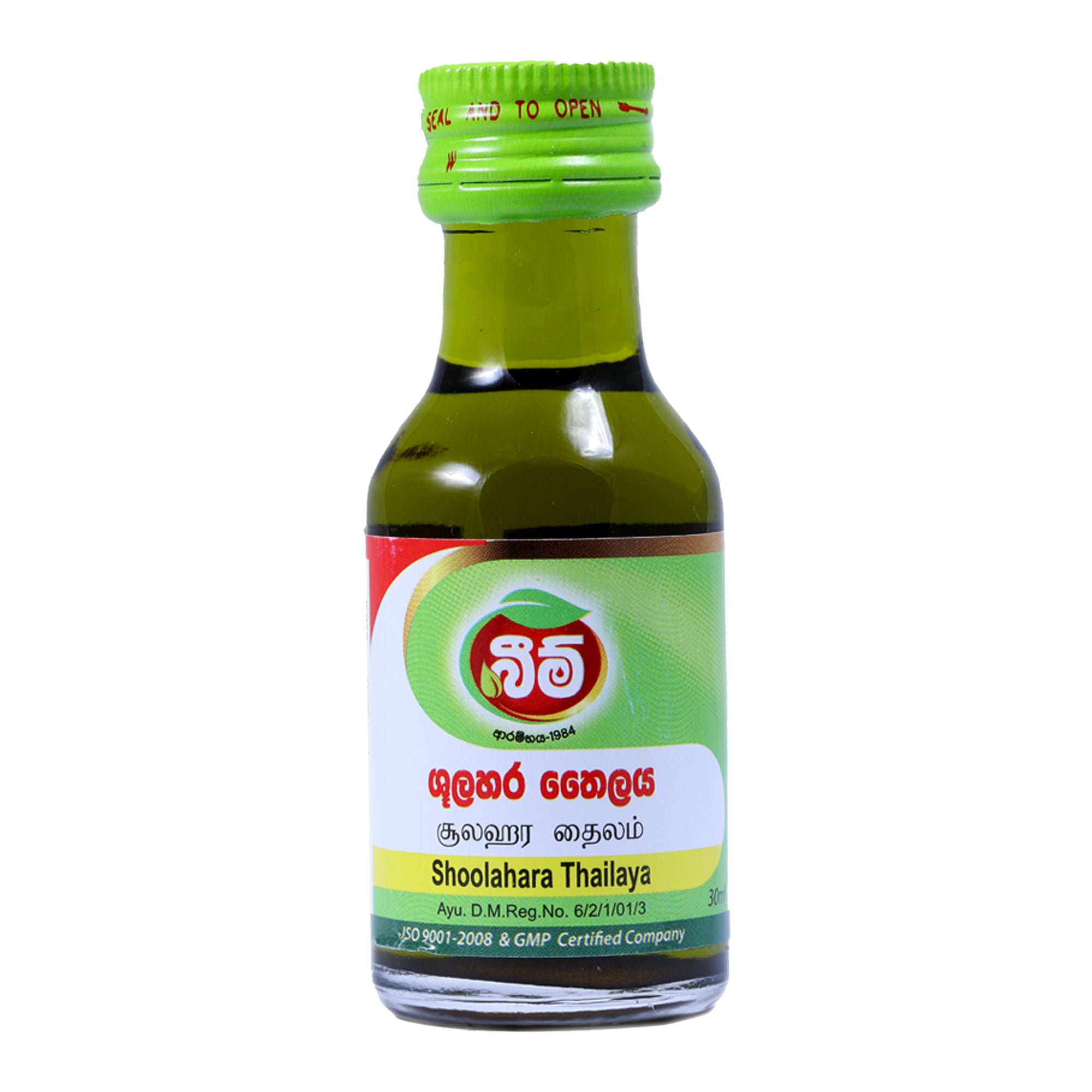
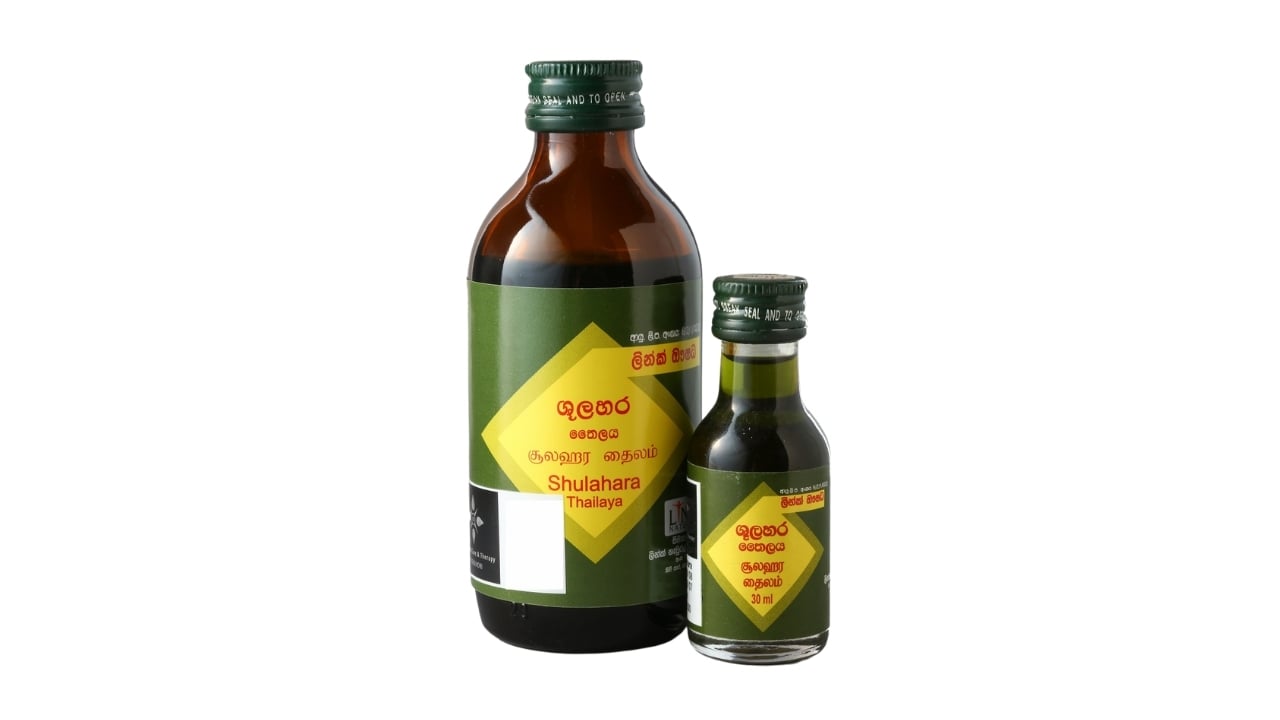
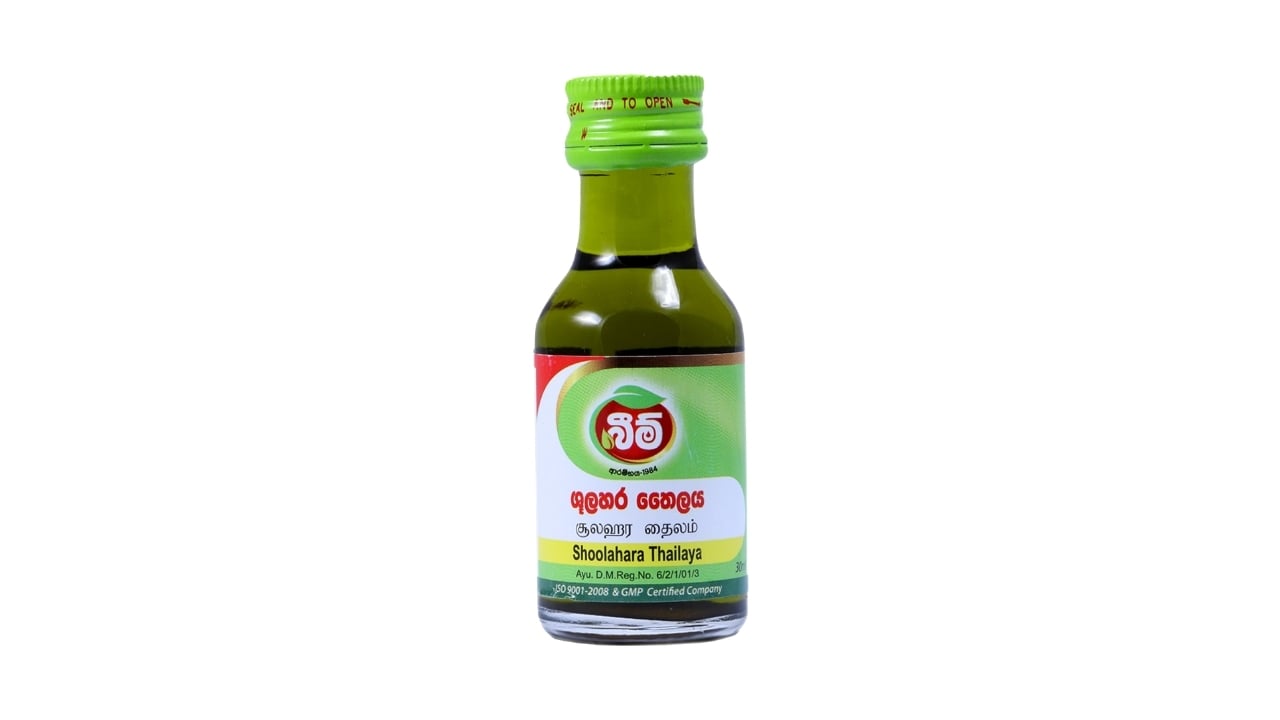
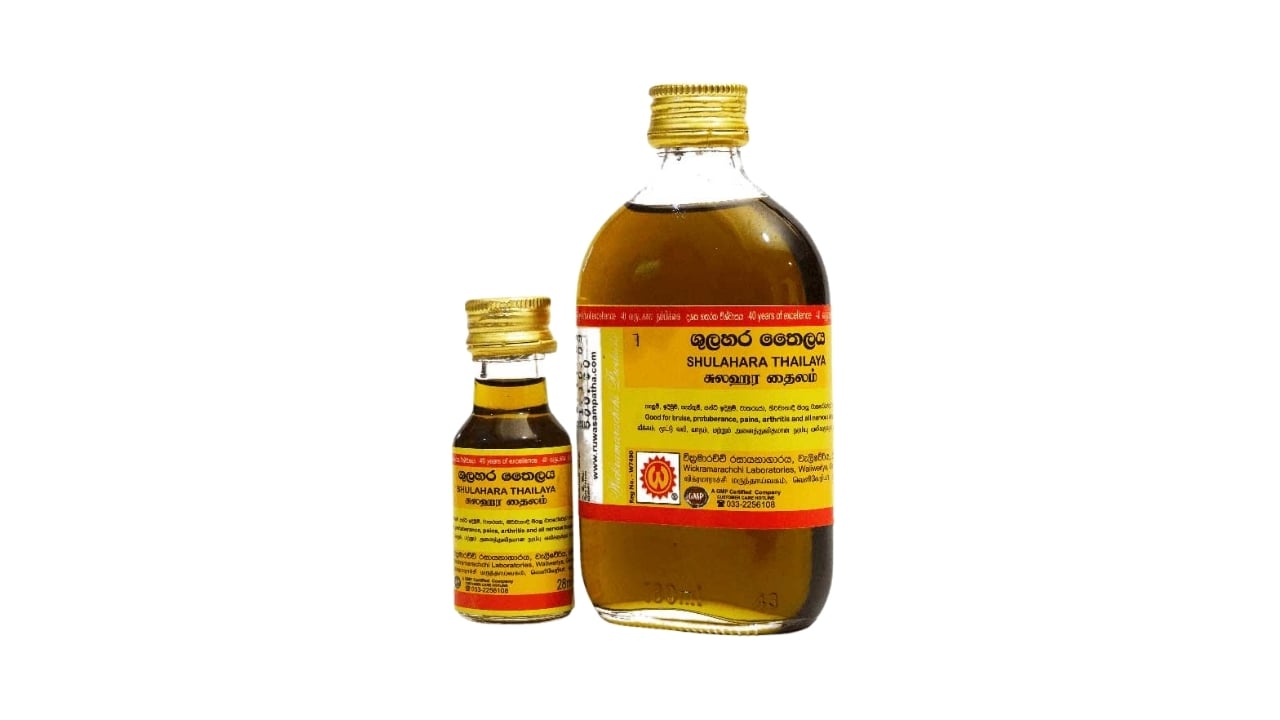


Shoolahara Oil is a traditional Ayurvedic herbal oil with deep roots in Sri Lanka's centuries-old system of indigenous medicine. Formulated to address musculoskeletal discomfort, it is used by both everyday households and Ayurvedic practitioners across the island as a go-to remedy for muscle aches, joint pain, and inflammation. The name itself offers a clue to its purpose: shoola in Sanskrit and Pali refers to pain or colic, while hara means that which removes or alleviates.
What are the key ingredients in Shoolahara Oil?
Shoolahara Oil draws its therapeutic properties from a carefully selected blend of medicinal herbs, many of which have been used in South Asian Ayurvedic practice for over a thousand years. The core ingredients typically include:
- Turmeric (Curcuma longa): Widely recognised for its active compound curcumin, which has well-documented anti-inflammatory properties.
- Ginger (Zingiber officinale): A warming herb that supports circulation and helps ease muscular stiffness.
- Coriander (Coriandrum sativum): Used in Ayurveda to reduce heat and soothe inflammatory conditions.
- Cumin (Cuminum cyminum): Traditionally valued for its digestive and analgesic qualities.
- Sesame oil base: A standard carrier in classical Ayurvedic formulations, sesame oil is considered warming, penetrating deeply into tissues to deliver the medicinal herbs effectively.
Some commercial preparations of Shoolahara Oil also incorporate Ceylon black pepper, whose active compound piperine is understood to enhance the bioavailability of other herbal constituents. Formulations can vary between manufacturers, so it is worth reviewing the ingredient list on the product you purchase.
What conditions is Shoolahara Oil used for?
In classical Ayurvedic theory, pain and stiffness are often attributed to an imbalance of the vata dosha, the bodily energy associated with movement and the nervous system. Shoolahara Oil is primarily formulated to pacify aggravated vata. Conditions it is traditionally applied to include:
- Muscle aches and soreness following physical activity or prolonged sitting
- Joint stiffness, particularly in the knees, hips, and lower back
- Generalised inflammation associated with arthritis-like symptoms
- Minor nerve pain and radiating discomfort along the limbs
- Tension headaches when massaged lightly into the temples and base of the skull
It is important to note that Shoolahara Oil is a complementary remedy. Anyone experiencing persistent or severe pain should seek qualified medical assessment before relying solely on topical herbal preparations.
How should Shoolahara Oil be applied?
Application technique matters as much as the oil itself. The standard Ayurvedic approach is a warm-oil massage, known as abhyanga:
- Warm a small quantity of oil by placing the bottle in warm water for a few minutes — heated oil penetrates tissue more effectively.
- Apply a moderate amount to the affected area and massage using firm, circular strokes, working from the periphery toward the heart.
- Allow the oil to remain on the skin for at least 20–30 minutes before rinsing with warm water.
- For chronic conditions, Ayurvedic practitioners typically recommend daily application over a course of weeks rather than expecting immediate relief from a single session.
Avoid applying to broken skin, open wounds, or mucous membranes. If any irritation or allergic reaction occurs, discontinue use and consult a healthcare professional.
How does Shoolahara Oil fit into Sri Lanka's Ayurvedic tradition?
Sri Lanka has maintained an unbroken tradition of indigenous medicine — known locally as Deshiya Chikitsa — that runs parallel to the Indian Ayurvedic system yet developed its own distinctive character over centuries. The island's unique biodiversity, including its tropical forests and endemic plant species, provides a rich pharmacopoeia that traditional physicians, called vedamahattayas, have drawn upon for generations.
Medicated oils hold a central place in this tradition. Unlike capsules or decoctions, oils are considered ideal for conditions rooted in vata imbalance because they are inherently unctuous — a quality that directly counteracts vata's dry, rough nature. Shoolahara Oil follows formulation principles codified in classical Ayurvedic texts, adapted over generations by Sri Lankan practitioners to suit the island's endemic herbs and climate. It sits alongside other well-known Sri Lankan Ayurvedic formulations such as Yogaraja Guggulu, which is used internally for similar musculoskeletal complaints.
Where can you find Shoolahara Oil in Sri Lanka?
The oil is produced by several established Sri Lankan Ayurvedic manufacturers, including well-known brands such as Link Natural Products and Beam Pharma. It is widely available at:
- Ayurvedic pharmacies and dispensaries throughout the country
- Government-registered Ayurvedic hospitals and wellness centres
- Supermarkets and health-food stores in Colombo and major tourist towns
- Licensed online retailers, including Lakpura's own wellness store, which ships internationally
When purchasing, look for products registered with the Department of Ayurveda, Sri Lanka, which ensures the formulation meets national quality and safety standards.
Is Shoolahara Oil suitable for travellers visiting Sri Lanka?
Many visitors to Sri Lanka encounter Ayurvedic oils for the first time during a spa session or wellness retreat, and Shoolahara Oil is a practical souvenir to bring home. It is compact, non-perishable, and genuinely useful for anyone prone to travel fatigue, long hikes, or the muscular strain that comes with adventure activities. A small bottle fits easily in hand luggage, though airline regulations on liquids apply as always.
If you are visiting Sri Lanka with a specific interest in Ayurveda, consider pairing a purchase with a yoga tour or a consultation at a registered Ayurvedic wellness centre, where a practitioner can recommend a personalised regimen rather than a one-size-fits-all approach.
How does Shoolahara Oil compare to other Ayurvedic oils available in Sri Lanka?
| Oil | Primary Use | Key Character |
|---|---|---|
| Shoolahara Oil | Muscle and joint pain, inflammation | Warming, analgesic |
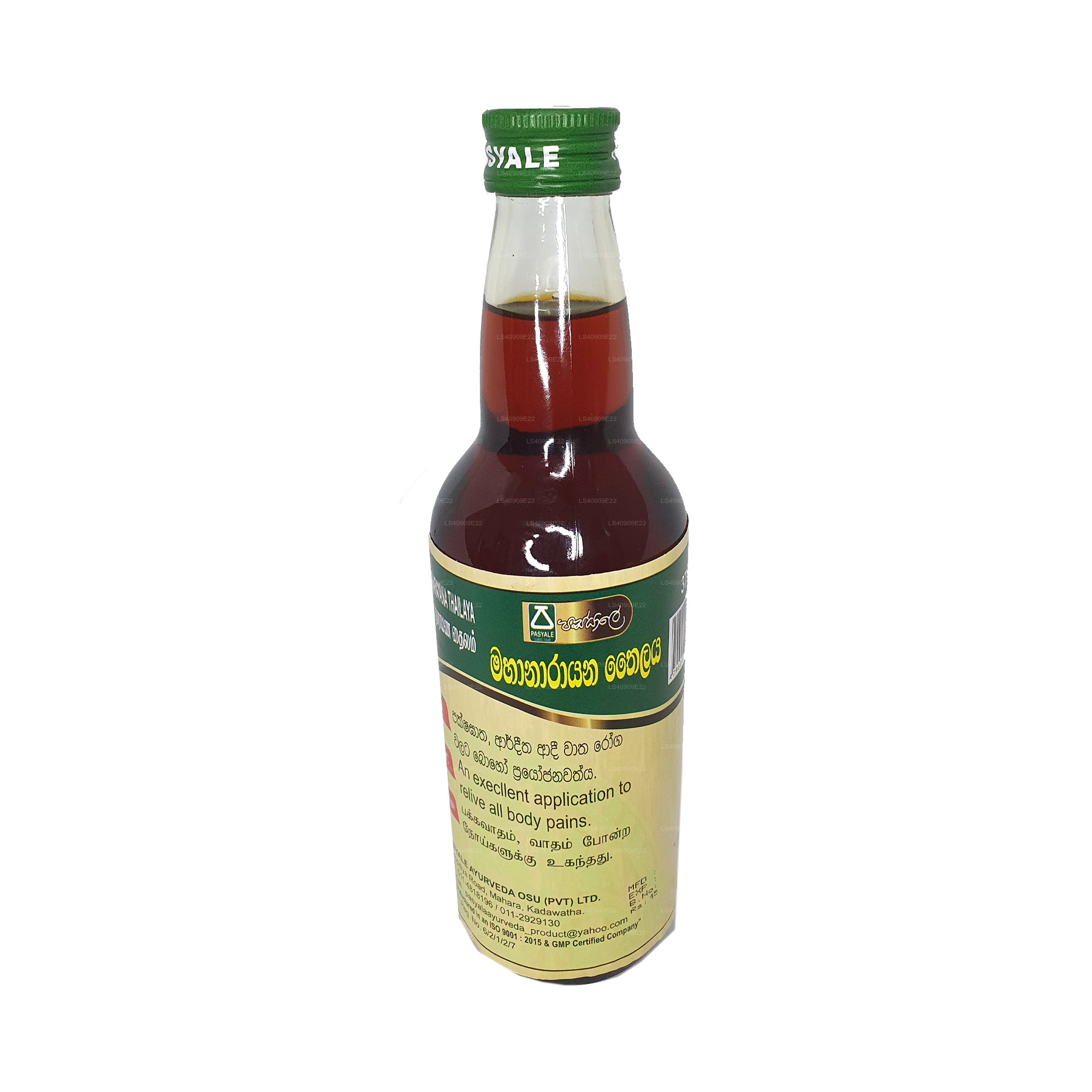
| Mahanarayana Oil | Vata disorders, paralysis, rheumatism | Deeply penetrating, classical formulation |
| Neelayadi Oil | Hair and scalp health, headaches | Cooling, nourishing |
| Pas Oil | Sprains, fractures, bone health | Strengthening, restorative |
| Siddhalepa Ghee Oil | Skin conditions, minor burns | Soothing, anti-microbial |
Each oil is formulated for a specific therapeutic context. A qualified Ayurvedic practitioner can help you determine which preparation — or combination — best suits your constitution and presenting complaint.