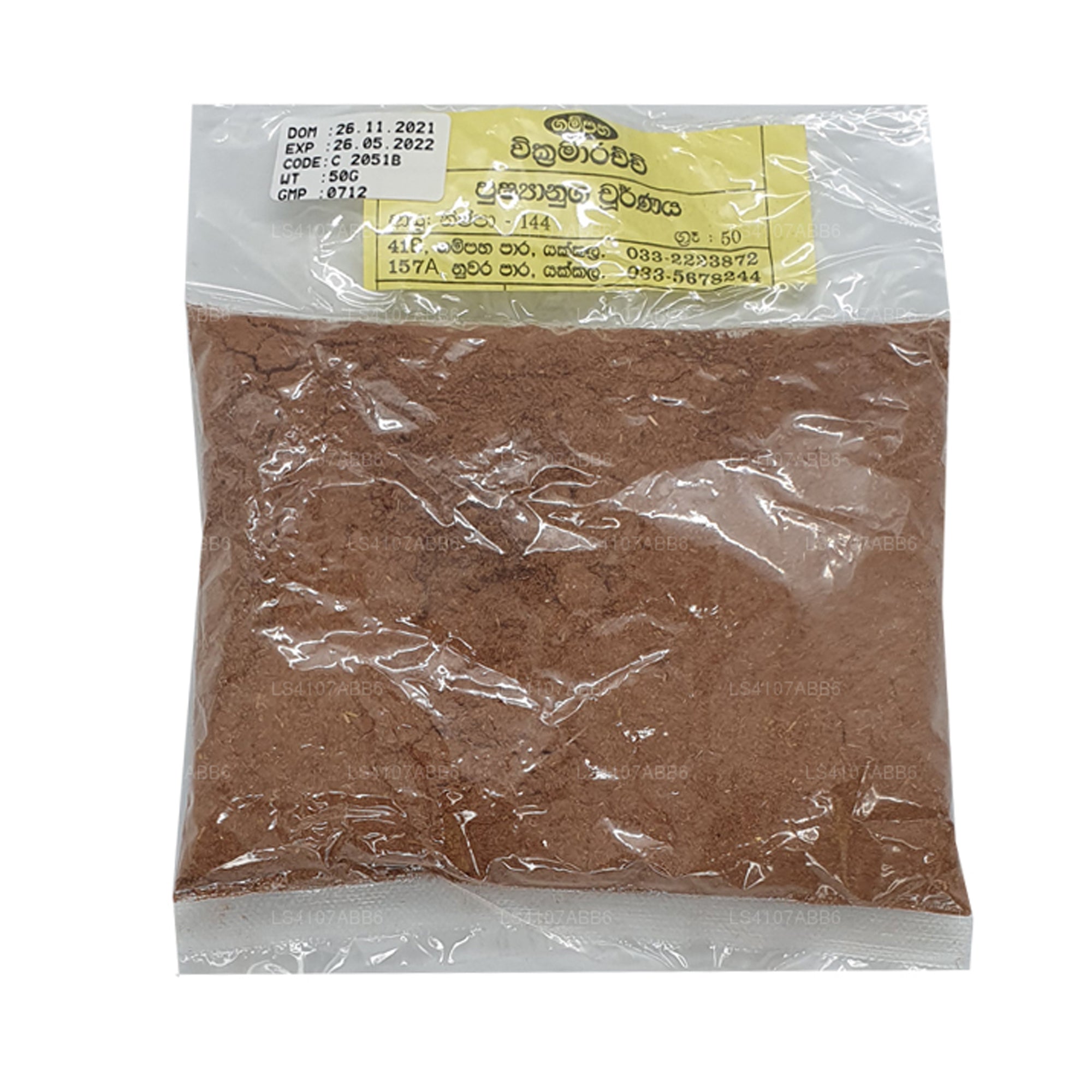
Shatavari Churna — known locally as Hathawariya Churna — is one of Sri Lanka's most respected Ayurvedic herbal powders. Derived from the tuberous roots of Asparagus racemosus, a climbing plant that grows across the island's forests and home gardens, this fine powder has been used for centuries as a nourishing tonic and restorative remedy. It sits at the intersection of traditional Sinhala medicine and the broader South Asian Ayurveda tradition, continuing to hold genuine relevance in both rural households and modern wellness circles.
What is Shatavari Churna and where does it come from?
Asparagus racemosus is a thorny, climbing plant with needle-like leaves and small white flowers. Its roots — thick, finger-shaped tubers — are the medicinal part harvested for churna preparation. The plant grows naturally across Sri Lanka's dry and intermediate zones, often found near forested areas and paddy-field margins. Sustainable harvesting and careful drying of the roots, followed by fine grinding, produces the pale, slightly sweet powder sold as Shatavari Churna.
Within Sri Lanka's indigenous Ayurveda system, Shatavari is classified as a Rasayana herb — a category reserved for plants believed to promote longevity, tissue nourishment, and overall resilience. The Gampaha Wickramarachchi tradition, one of Sri Lanka's prominent Ayurveda institutions, is among the established sources for standardised Shatavari and related churna formulations available today.
What are the traditional uses of Shatavari Churna in Sri Lanka?
Sri Lankan Ayurveda practitioners have long associated Shatavari with several areas of wellbeing:
- Women's wellness: Shatavari is perhaps best known for its role in supporting women at different life stages — from maintaining hormonal balance during reproductive years to providing nourishment and comfort during transitions later in life. Its Sanskrit name, loosely translated as "she who has a hundred husbands," reflects its longstanding reputation as a female tonic.
- Internal cooling: In a tropical climate, heat-related imbalances — known in Ayurveda as elevated pitta — are common. Shatavari's cooling properties make it a traditional remedy for such conditions, including mild digestive discomfort associated with excess heat.
- Physical strength and stamina: As a Rasayana, Shatavari is also recommended for general vitality. Sri Lankan practitioners may prescribe it alongside other formulations such as Pushyanuga Churna as part of a broader rejuvenation programme.
- Nutritive support: Its mild, slightly sweet taste and easy digestibility make it suitable as a long-term nutritive supplement, particularly for individuals recovering from illness or experiencing weakness.
It is worth noting that traditional use does not substitute professional medical advice. Individuals with specific health conditions should consult a qualified Ayurveda physician before beginning regular use.
How is Shatavari Churna traditionally prepared and taken?
The classic Sri Lankan method combines Shatavari Churna with warm cow's milk, typically one teaspoon of powder stirred into a cup of milk. Sweetening with kitul treacle or raw honey is common, chosen according to the individual's constitution and the practitioner's recommendation. The preparation is usually taken once or twice daily, often in the morning on an empty stomach or before bed.
In some households, the powder is added to herbal rice porridges (kola kanda) for an easily digestible morning meal. It may also be blended with ghee as part of a more elaborate Ayurvedic regimen. Whatever the method, consistency over weeks or months is considered key — Rasayana herbs are intended for sustained, gradual benefit rather than immediate relief.
Practitioners sometimes pair Shatavari with warming spices such as Ceylon black pepper to enhance absorption, particularly when the individual's digestion is considered sluggish.
How does Shatavari Churna fit into Sri Lanka's Ayurveda tradition?
Sri Lanka's indigenous medical tradition, Deshiya Chikitsa, developed alongside — and in dialogue with — classical Indian Ayurveda over more than two thousand years. Shatavari features in ancient Sanskrit texts including the Charaka Samhita and Sushruta Samhita, and its use was adopted and adapted by Sri Lankan physicians who refined formulations to suit the island's specific climate, diet, and botanical resources.
Today, Sri Lanka's Department of Ayurveda oversees the regulation and quality standards for Ayurvedic herbal products, including churnas, sold domestically. Reputable suppliers operate under this framework, ensuring consistency in raw material quality and preparation methods. When purchasing Shatavari Churna, looking for products from licensed Ayurveda manufacturers is advisable.
What should I look for when buying Shatavari Churna in Sri Lanka?
Quality varies between producers, and a few practical checks help ensure you are buying a genuinely useful product:
- Source transparency: The label should identify the plant species (Asparagus racemosus) and the part used (root). Some cheaper products blend stems or leaves, which carry fewer of the traditionally valued compounds.
- Manufacturer licensing: Look for products from manufacturers registered with Sri Lanka's Department of Ayurveda or affiliated with recognised Ayurveda institutions.
- Colour and texture: Genuine Shatavari root powder is typically pale cream to light beige, with a fine, smooth texture and a mildly sweet, slightly bitter aroma.
- Packaging date: As with all herbal powders, freshness matters. Choose products with a clear manufacture and expiry date, and store in a cool, dry place away from direct sunlight.
Is Shatavari Churna suitable for everyone?
Shatavari is generally considered gentle and well-tolerated, which contributes to its long history of use across age groups. However, it is not appropriate for everyone in all circumstances:
- Individuals with oestrogen-sensitive conditions should seek medical advice before use, as some studies suggest Shatavari may have phytoestrogenic activity.
- People with known allergies to plants in the Asparagaceae family should exercise caution.
- Those on prescription medications — particularly hormonal therapies — should consult their physician before adding any Ayurvedic supplement to their routine.
- Pregnant women should take Shatavari only under the guidance of a qualified Ayurveda practitioner.
Sri Lanka's Ayurveda tradition emphasises that even beneficial herbs should be used in the right quantity, at the right time, and suited to the individual's constitution (prakriti). A qualified practitioner can tailor recommendations accordingly.
How does Shatavari relate to Sri Lanka's broader herbal heritage?
Shatavari is one member of a rich pharmacopoeia of medicinal plants that have shaped Sri Lankan healing traditions over millennia. The island's diverse ecosystems — from lowland rainforests to highland cloud forests — support an extraordinary range of medicinal flora. Herbs such as Acacia chundra and Pongamia pinnata sit alongside Shatavari in the traditional materia medica, each assigned specific properties and applications within a holistic system that weighs plant medicine against diet, season, and individual constitution.
The continued use of churna formulations reflects a broader cultural commitment to plant-based, preventive health — a philosophy increasingly relevant to travellers and wellness seekers looking for grounded, evidence-informed alternatives to synthetic supplements. Sri Lanka's Ayurveda sector has grown considerably in recent decades, with retreat centres, Ayurveda hospitals, and licensed pharmacies making traditionally prepared products more accessible to both local and international visitors.
Related reading
2 pages on closely related subjects.