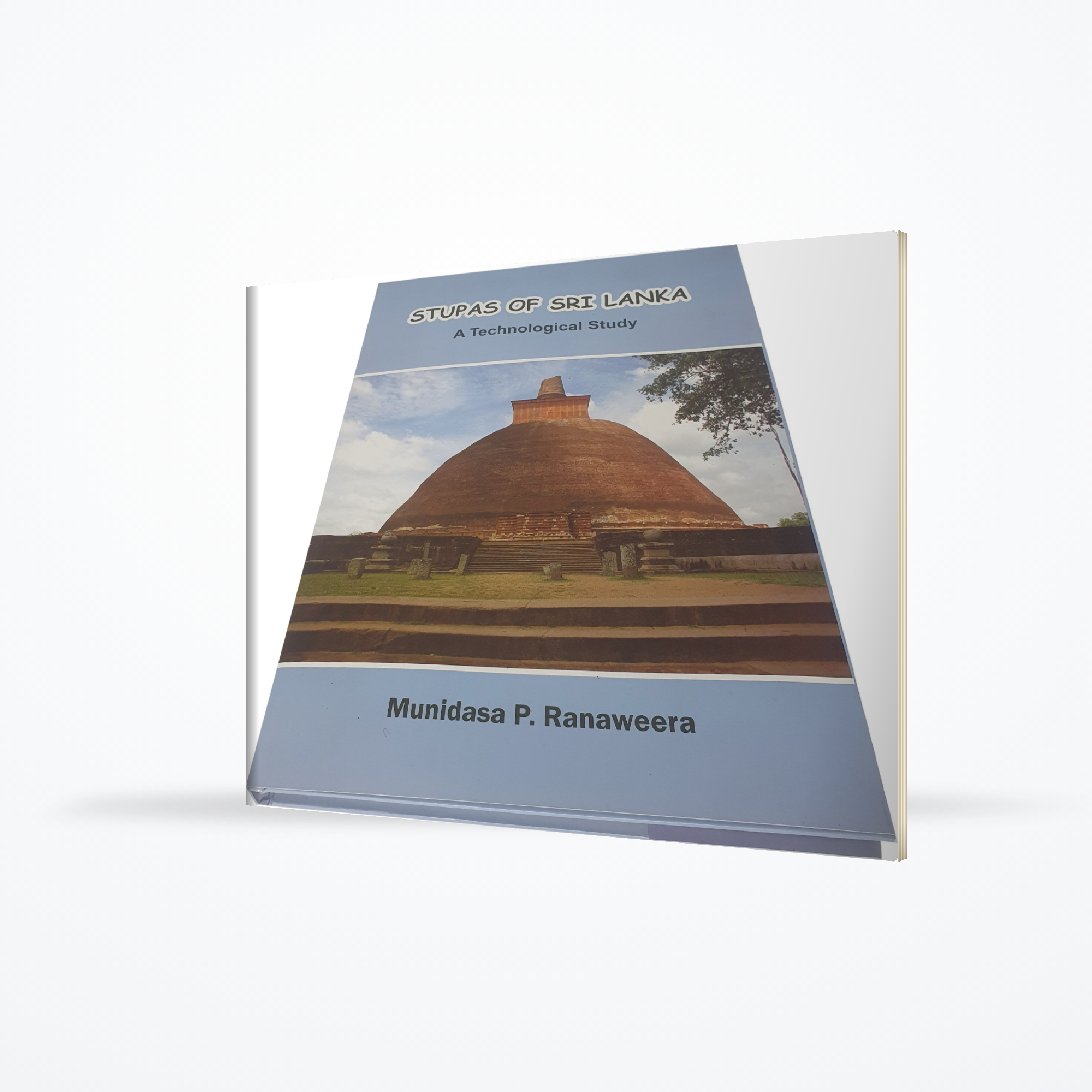
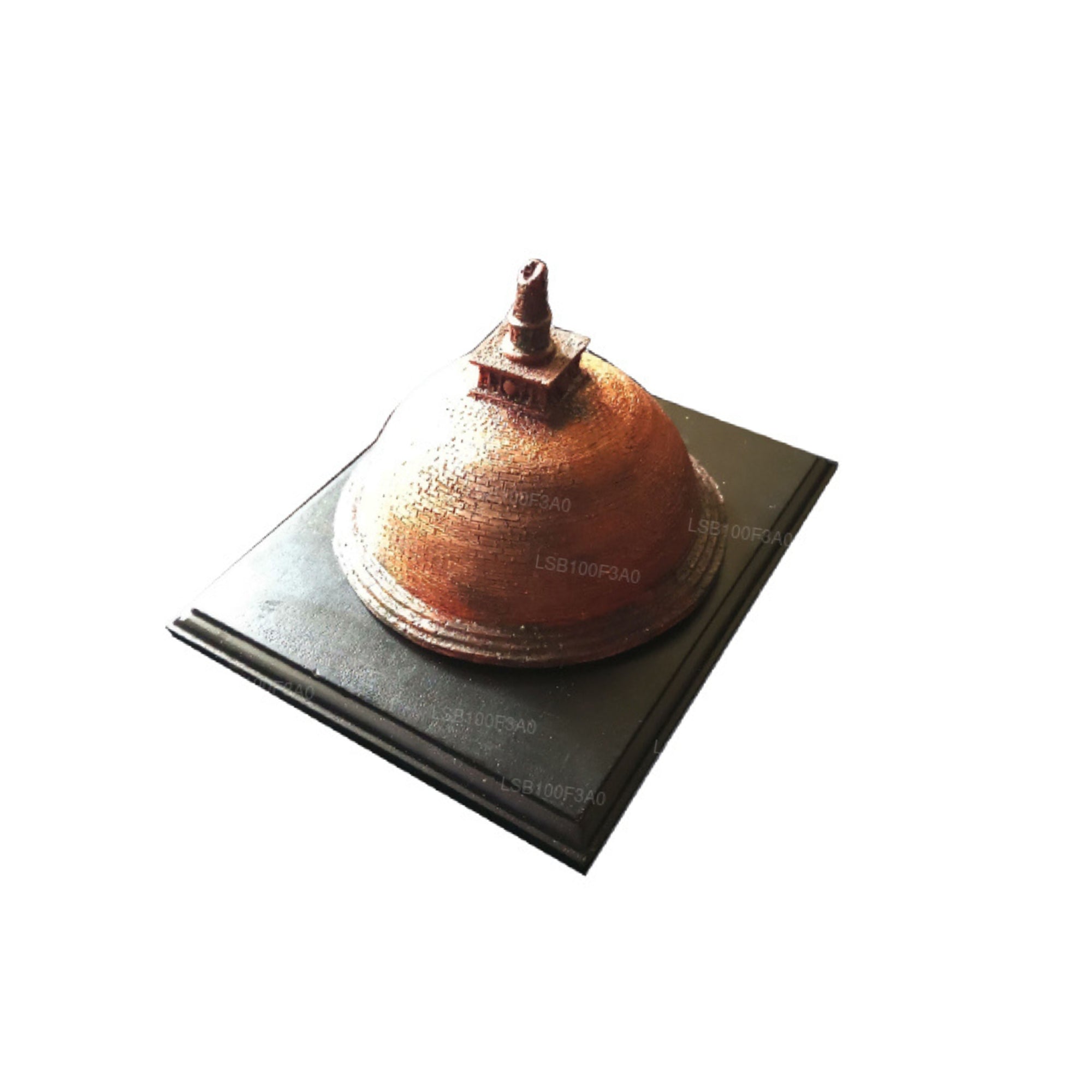
The Seruwila Wilgamwehera Royal Stupa stands as one of the oldest and most revered Buddhist shrines in Sri Lanka's Eastern Province. Attributed to King Kavantissa of Kelaniya, who reigned in the 2nd century BCE, the temple is believed to enshrine a sacred forehead relic of the Buddha — a distinction that elevates its status far beyond that of an ordinary pilgrimage site. For devout Buddhists and heritage travellers alike, Seruwila occupies a place of deep spiritual gravity.
What is the historical significance of the Seruwila Wilgamwehera Stupa?
Ancient chronicles link the construction of this stupa to King Kavantissa, father of the celebrated hero-king Dutugamunu. According to tradition, the king enshrined a frontal bone relic of the Gautama Buddha within the dagoba, cementing the site's place among the sixteen most sacred Buddhist shrines in Sri Lanka — collectively known as the Solosmasthana.
The stupa belongs to the classic Sinhalese architectural tradition, its hemispherical dome rising above a square platform and crowned by a spire. Traces of ancient monastic quarters and meditation cells visible around the complex suggest that a substantial community of monks once lived and practiced here, probably across several centuries of continuous occupation.
The site is also linked to the Eastern Province's broader sacred geography, a region where Buddhist culture took root early and left a dense legacy of ruins, tanks, and shrine complexes. Visitors with an interest in ancient stupas of Sri Lanka will find Seruwila a particularly illuminating example of early Theravada architectural intent.
What can you see and experience at Seruwila Wilgamwehera Temple?
The centrepiece of the complex is the restored Wilgamwehera Stupa itself, its whitewashed dome visible against the surrounding dry-zone forest from some distance. Circumambulation of the stupa — walking the paved path around its base in a clockwise direction — is the central devotional act for pilgrims.
- Relic chamber: The innermost sanctum is believed to contain the frontal bone relic and is the focus of intense veneration during festival days.
- Shrine rooms (image houses): Several vihara buildings within the compound house seated and standing images of the Buddha in traditional Sinhalese style.
- Meditation spaces: Quiet pavilions and shaded corridors around the complex offer space for seated meditation, particularly appreciated by visitors who arrive outside major poya (full-moon) days.
- Ancient monastic remnants: Stone foundations, pillar stumps, and carved stone elements scattered around the grounds point to the scale of the original monastic settlement.
- Sacred Bo tree: A mature Bo tree (Ficus religiosa) grows within the precinct, a customary feature of Sri Lankan temple compounds symbolising the tree of enlightenment.
The surrounding landscape — dry-zone scrub forest, seasonal water bodies, and paddy land — frames the temple in the kind of austere natural beauty characteristic of Sri Lanka's north-eastern dry belt. Birdlife around the temple tank is rewarding for naturalists, with water birds and raptors commonly sighted in the early morning.
When is the best time to visit Seruwila Wilgamwehera Royal Stupa?
The Eastern Province operates on a different seasonal rhythm to the south-west of Sri Lanka. The dry season in this region runs broadly from May to September, when the south-west monsoon bypasses the east coast. The secondary dry period, December to April, also offers generally good conditions. Both windows are suitable for visiting.
The most significant festival at Seruwila is the annual Seruwila Perahera, a colourful procession typically held in August around the Nikini full-moon poya day. Thousands of pilgrims travel from across the island for this event, and the atmosphere around the stupa becomes extraordinarily charged with devotion. Accommodation near the temple is limited, so forward planning is essential if you wish to coincide with the perahera.
Poya days (monthly full-moon observance days) see noticeably higher visitor numbers throughout the year. Visitors seeking quieter contemplation will do better arriving on ordinary weekdays between poya days.
How do you get to Seruwila from Colombo or Polonnaruwa?
The temple is situated near the town of Seruwila (also spelled Seruvavilai in Tamil-language maps), in Trincomalee District, Eastern Province. The nearest major town is Trincomalee, roughly 40–50 kilometres to the north-east, making a Trincomalee base a practical choice for visitors.
| Starting point | Approximate distance | Typical travel time |
|---|---|---|
| Trincomalee | ~45 km | ~1 hour by road |
| Polonnaruwa | ~90 km | ~2 hours by road |
| Colombo | ~270 km | ~5–6 hours by road |
A private car or van remains the most practical way to reach the temple, as public transport to the site itself is infrequent. The roads from Trincomalee are largely paved and navigable year-round, though the final approach can be narrow.
What should pilgrims and visitors know before arriving?
Seruwila is an active place of worship, and the conventions that apply at most Sri Lankan Buddhist temples are observed here. Visitors should dress modestly — shoulders and knees covered — and remove footwear before entering the stupa platform and shrine rooms. White clothing is the traditional choice for pilgrims, though it is not obligatory for non-Buddhist visitors.
- Photography inside the inner shrines may be restricted; follow signage and the guidance of resident monks.
- Flowers and incense are available from vendors near the entrance for those wishing to make offerings.
- The site has basic facilities, but there are no large restaurants or shops within the immediate complex. Carry water, particularly if visiting between May and September when heat can be intense.
- Respectful silence is appreciated around meditation areas and the main stupa platform.
How does Seruwila fit into a broader Eastern Province itinerary?
The temple combines well with other draws in the Trincomalee District. Pigeon Island, one of Sri Lanka's few designated marine national parks, lies just offshore from Nilaveli and is around an hour from Seruwila by road. Trincomalee's natural harbour, Fort Frederick, and the Koneswaram temple at Swami Rock are all accessible the same day.
Those extending their journey inland towards the Cultural Triangle can incorporate Seruwila into a route that continues westward through Habarana to the ancient city of Polonnaruwa, adding a meaningful religious dimension to a heritage circuit that is often dominated by secular archaeological sites.
Nearby places
8 places within about 25 km, nearest first.
Related reading
7 pages on closely related subjects.