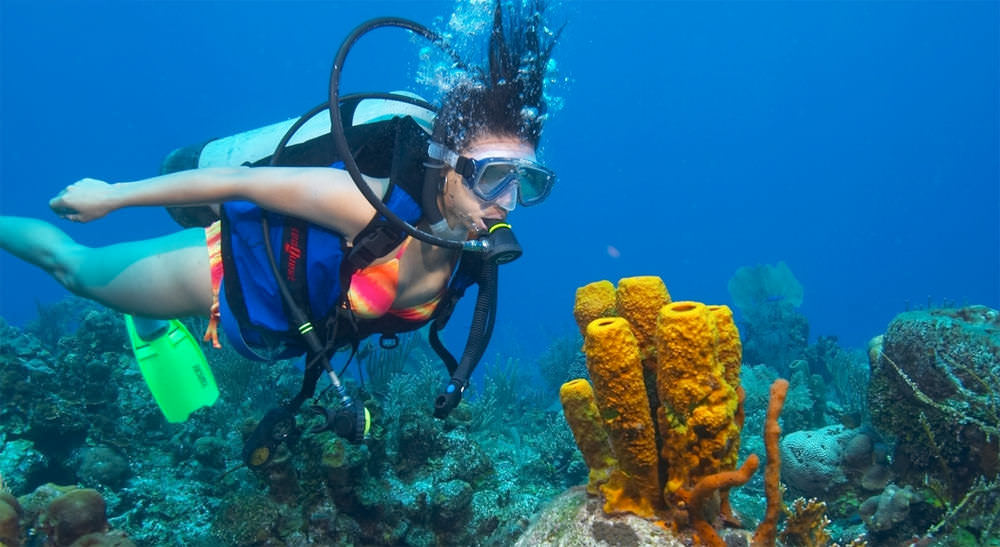
Sri Lanka sits at the crossroads of centuries-old Indian Ocean shipping lanes, and the island's coastline holds the evidence: colonial-era wrecks, thriving coral reefs, and a diversity of marine life that rewards divers at every level of experience. Whether you are completing your first open-water dives or looking for a challenging wreck penetration, the western, southern, and eastern coasts each offer distinct underwater landscapes worth exploring.
Where Can You Scuba Dive in Sri Lanka?
The main dive regions are spread across three coastlines, each with its own character and seasonal window.
- West Coast — Sites around Negombo, Colombo, and Mount Lavinia suit beginners and those on short layovers. Diving is generally calm from November through April.
- South Coast — Hikkaduwa, Unawatuna, Mirissa, Akurala, and Bentota form the most popular dive corridor. Coral gardens, reef fish, and accessible wrecks dominate here. The season runs roughly from November to April.
- East Coast — Trincomalee and Pigeon Island offer some of the clearest water and most intact hard coral in the country. The east comes into season from May through September, making Sri Lanka a genuinely year-round dive destination when both coasts are considered together.
- North-West Coast — Kalpitiya is known for larger pelagic sightings, including dolphins and whale sharks in season.
Is Sri Lanka Good for Beginner Divers?
Yes. Most established dive centres on the south and west coasts offer introductory and adventure tours tailored to first-timers, with calm, relatively shallow entry points. Many operators hold PADI accreditation and can run an Open Water certification course in around three to four days. Discover Scuba sessions — a single supervised dive without prior certification — are widely available and typically conducted at depths of around five to seven metres.
More experienced divers will find enough depth and complexity in the wreck sites and the drop-offs around Trincomalee to keep dives interesting well beyond the beginner level.
What Are the Best Wreck Dives in Sri Lanka?
Sri Lanka's coast has claimed vessels across five centuries of maritime trade and conflict. Historical records suggest the existence of more than 200 shipwrecks; of those that have been located, several are now established dive sites with thriving marine ecosystems.
HMS Hermes — Batticaloa
The most significant wreck dive in Sri Lanka is also one of the most significant in the world. The HMS Hermes, a 167-metre, 12,900-ton British aircraft carrier, was sunk on 9 April 1942 during a Japanese air raid. She now rests upside-down in around 55 metres of water off Batticaloa on the east coast. The site carries official Commonwealth War Graves status: entry into the wreck, removal of artefacts, and photography of human remains are all prohibited. Diving the exterior — encrusted with coral and patrolled by large reef fish — is permitted and deeply affecting.
SS Conch — Akurala
The SS Conch is the most visited wreck dive on the south coast. The 3,300-ton oil tanker broke into two halves after sinking off the rocks at Akurala and now lies at less than 15 metres, making it accessible to divers with relatively little experience. Both sections are densely colonised by marine life.
Car Carrier Wreck — South Coast
A large vessel that sank in 1983, the Car Carrier wreck is encrusted with coral across much of its hull. Batfish and groupers gather in numbers around the structure. Cars are visible at around 24 metres; the ship's propeller lies deeper. It is one of the more photogenic wrecks on this coast.
Taj Wreck
A 45-metre harbour boat that now hosts schools of barracuda, rabbitfish, and stingrays. Sections of the broken hull allow for limited wreck penetration, making it a popular choice for divers who want to explore inside a wreck in a relatively controlled setting.
Barge Wreck
Lying at around 30 metres, the Barge wreck has a coral-covered deck and attracts dense schools of fish. The site suits divers who are comfortable at moderate depth and want to practise buoyancy control in a more challenging environment.
WWII Aircraft Wreck
Also lying at approximately 30 metres, the wreck of a Second World War aircraft retains recognisable features: the wings, the cockpit frame, and the twisted propeller can still be identified despite decades of submersion. Exact location details are typically provided by local dive operators.
What Marine Life Can You Expect to See?
Sri Lanka's reefs support a wide range of Indo-Pacific species. Divers regularly encounter reef sharks, moray eels, lionfish, frogfish, octopus, and large schools of fusiliers and jacks. Turtle sightings are common along the south coast — particularly around Hikkaduwa and Unawatuna — and the Hikkaduwa Marine Sanctuary protects a large area of coral garden that has recovered noticeably over the past decade.
Off Kalpitiya and along the north-west coast, whale sharks and spinner dolphins are seasonal visitors. The deep blue-water columns around Trincomalee attract tuna, barracuda, and occasional manta rays during the east-coast season.
How Do Dive Operators Work in Sri Lanka?
Most dive centres operate small rigid-hulled inflatable boats capable of carrying around six divers, as well as larger vessels for groups of up to 15. Transit times from shore to dive site typically range from 10 to 45 minutes depending on location. Equipment rental — including wetsuits, BCDs, regulators, and tanks — is standard at most established centres, and nitrox is available at a growing number of sites.
Operators on the south and west coasts tend to run two-dive morning trips as their core offering, with afternoon dives available on request. East-coast operators in Trincomalee often run longer excursions to deeper sites further offshore.
When Is the Best Time to Scuba Dive in Sri Lanka?
Because the island's two coasts have offset monsoon seasons, it is possible to dive somewhere in Sri Lanka in virtually every month of the year.
| Coast | Best Diving Season | Key Sites |
|---|---|---|
| South & West | November – April | Hikkaduwa, Unawatuna, Mirissa, Bentota, Negombo, Mount Lavinia |
| East | May – September | Trincomalee, Pigeon Island, Batticaloa (HMS Hermes) |
| North-West | January – April | Kalpitiya |
Visibility on the south coast typically ranges from 10 to 25 metres depending on the season and specific site; the east coast, especially around Pigeon Island, can exceed 30 metres at its best.
Do You Need a Certification to Dive in Sri Lanka?
A recognised certification such as PADI Open Water or equivalent is required for most independent dives. If you are not yet certified, Discover Scuba sessions allow you to experience diving under close instructor supervision without prior training. For those who want to dive independently during the trip, completing a full Open Water course — typically three to four days — is the most practical option. Lakpura can arrange PADI-certified instruction through partner dive centres along the south coast, including at Bentota.
Responsible Diving in Sri Lanka
Sri Lanka's reefs have faced pressure from coastal development, anchor damage, and warming sea temperatures. Divers can contribute directly to reef health by maintaining good buoyancy, never touching corals or marine life, and choosing operators that use mooring buoys rather than anchors over dive sites. The HMS Hermes carries additional obligations: it is a designated war grave and must be treated with corresponding respect. Avoid operators who do not brief divers clearly on site-specific rules before entering the water.
Related reading
11 pages on closely related subjects.