Ranawana Purana Rajamaha Viharaya is an ancient Buddhist temple situated in the hill country near Kandy, set within a landscape of dense forest and terraced slopes. The temple draws both devoted pilgrims and curious travellers who come to experience its layered history, remarkable statuary, and the contemplative calm that permeates the site. Unlike many better-known temples in the Kandy region, Ranawana retains a relatively unhurried atmosphere, which makes it particularly rewarding to visit on a weekday morning.
What makes Ranawana Purana Rajamaha Viharaya significant?
The temple is among the older Buddhist establishments in the Kandy district, and its name — Purana, meaning ancient — signals its deep historical roots. The site belongs to a tradition of forest monasteries that once served as centres of learning and meditation, and its elevated setting was chosen deliberately to support the monastic ideal of seclusion from daily life.
The compound integrates multiple styles of Buddhist religious architecture: a main shrine room, a stupa, and a series of cave chambers that shelter ancient murals. The paintings inside the rock caves depict episodes from the Jataka tales and the life of the Buddha, executed in a style that scholars associate with the Kandyan period of Sri Lankan art.
What is the walking Buddha statue at Ranawana Viharaya?
The most photographed feature of the temple is a large walking Buddha statue — one of the tallest of its kind in Sri Lanka. The figure depicts the Buddha in the abhaya mudra posture, a gesture of protection and reassurance, and it stands in an open forecourt visible from a considerable distance on the approach road. The scale of the statue is striking in relation to the surrounding forest canopy, and the quality of the craftsmanship reflects considerable investment by the temple community in recent decades.
The walking posture itself is less common in Sri Lankan Buddhist iconography than the seated or reclining forms, which adds an element of interest for visitors familiar with temple art across the island.
What else can you see at the temple grounds?
- Rock cave shrines: Natural rock overhangs have been enclosed and converted into meditation and worship spaces. The caves hold seated and reclining Buddha images alongside the Kandyan-era murals.
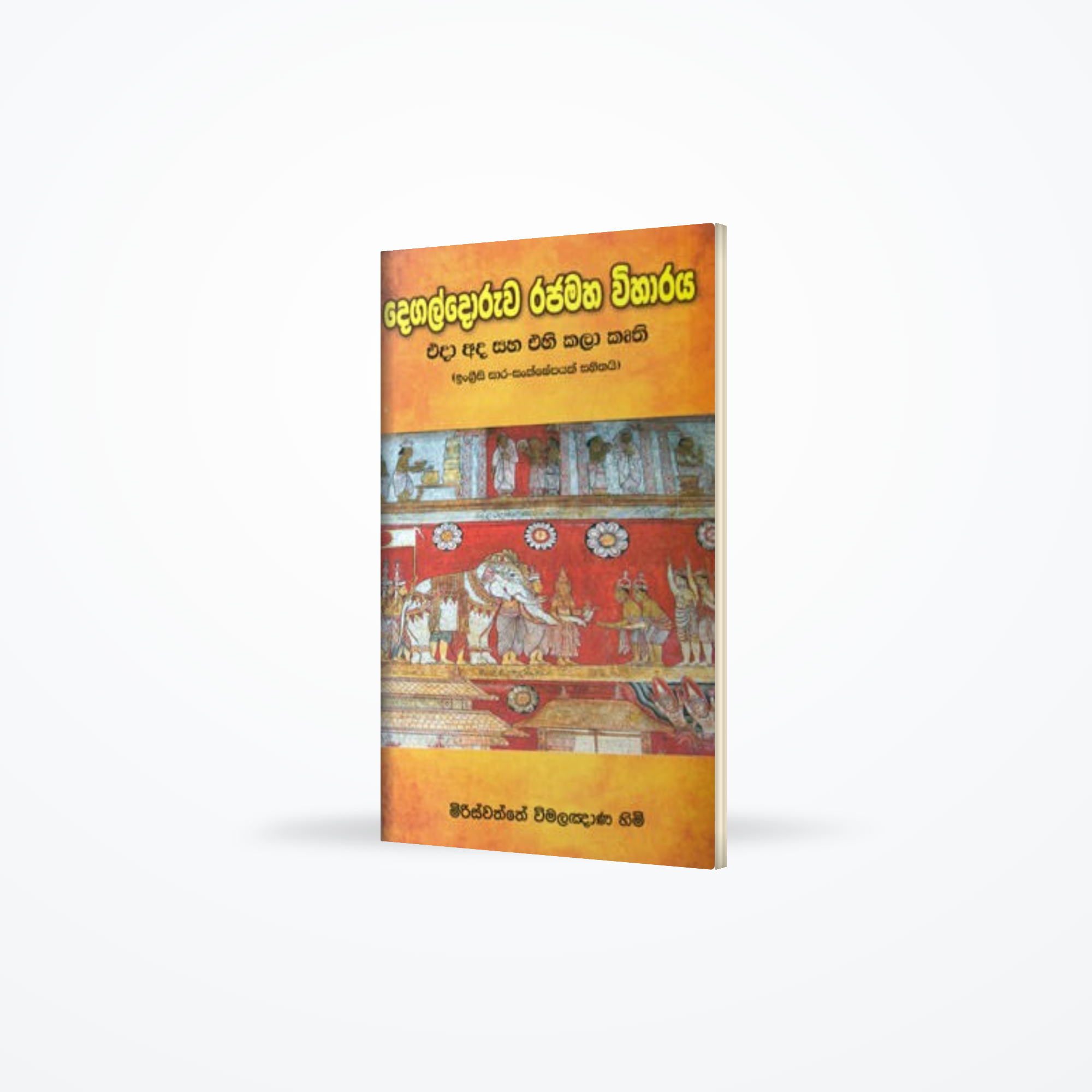
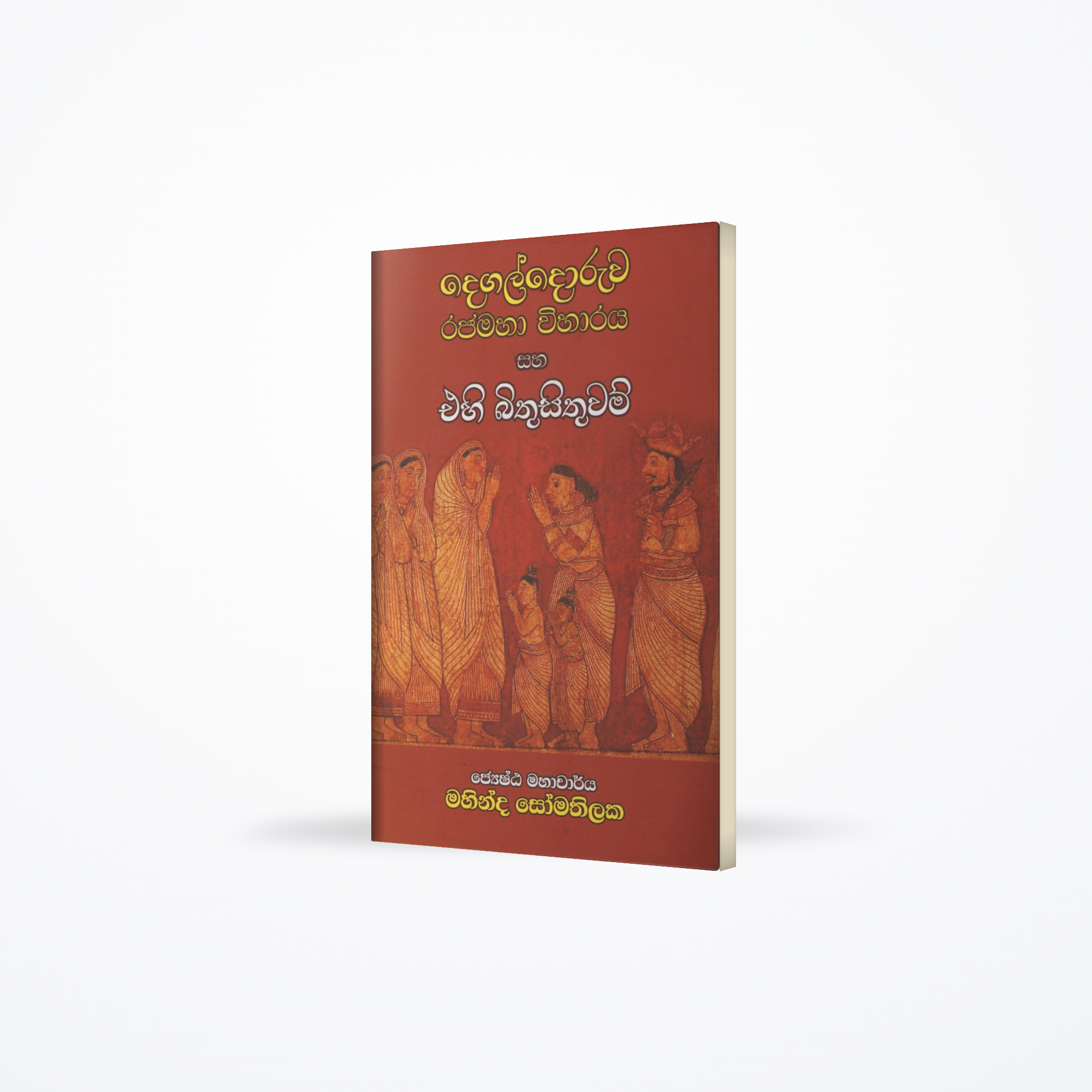
- Ancient murals: The wall paintings inside the cave chambers are in varying states of preservation. Their iconographic content follows conventions found in other Kandyan-period temples such as Degaldoruwa Rajamaha Viharaya, which lies not far away.
- Bodhi tree enclosure: A mature sacred fig (Ficus religiosa) stands within a walled enclosure where devotees offer flowers and light oil lamps, particularly on full-moon poya days.
- Landscaped gardens: The temple grounds are maintained with flowering shrubs and ornamental planting. The gardens provide a naturally cool environment and a setting suitable for quiet reflection.
- Panoramic views: From certain points on the temple terrace, the surrounding ridgelines and forested valleys open up into broad views across the Kandy hill country.
When is the best time to visit Ranawana Purana Rajamaha Viharaya?
The temple is accessible year-round. Poya days — the full-moon days of the lunar calendar — bring larger numbers of local worshippers and a heightened ceremonial atmosphere, with chanting, offerings, and illuminated grounds in the evening. Visiting on a poya day offers a richer sense of living Buddhist practice, though the site will be busier than on ordinary days.
The cooler months between November and April are generally the most comfortable for travelling in the Kandy region. Morning visits are recommended: the light is better for appreciating the statuary, and the site is quieter before mid-morning tour groups arrive from Kandy city.
The Esala Perahera Festival, held annually in Kandy during July or August, draws enormous crowds to the broader region. If your visit coincides with this period, expect accommodation to be booked well in advance and roads around Kandy to be congested.
How do I get to Ranawana Purana Rajamaha Viharaya from Kandy?
The temple lies outside Kandy city proper, set along a road that winds into the surrounding hills. The most practical way to reach it is by private vehicle or tuk-tuk, as public transport options along the final stretch are limited. The drive from central Kandy typically takes around 30 to 45 minutes depending on traffic and the specific route taken.
Visitors combining Ranawana with a broader Kandy city tour can reasonably include it as a half-day excursion, pairing the temple visit with other sites in the hill country. The roads leading to the temple are narrow in places, and a driver familiar with the area is advisable.
What should visitors know before going?
Ranawana Purana Rajamaha Viharaya is an active place of worship, and the usual protocols for Buddhist temples in Sri Lanka apply. Shoulders and knees should be covered; sarongs are sometimes available at the entrance for those who arrive without appropriate clothing. Shoes must be removed before entering the shrine rooms and cave chambers.
Photography is generally permitted in the open areas of the grounds. Inside the cave shrines and in front of the main Buddha images, it is courteous to ask the resident monks or temple caretakers before photographing. Flash photography in the cave murals can cause long-term deterioration and is best avoided entirely.
There is no fixed entrance fee for Sri Lankan pilgrims, and foreign visitors are typically welcomed without a formal charge, though donations to the temple are customary and directly support conservation and maintenance of the site.
What else is worth visiting nearby?
The Kandy district holds a high concentration of Buddhist heritage sites within a compact area. Degaldoruwa Rajamaha Viharaya, known for its well-preserved Kandyan-era murals, is one of the most artistically significant cave temples in the region and sits within reasonable driving distance. The Kandy Tourist Information Center can provide current details on temple opening times and any local events that might affect access.
For those with a broader interest in Sri Lanka's forest monastery tradition, the Makandawa Rainforest to the west of Kandy offers a complementary experience — ancient meditation hermitages set within a protected forest ecosystem that has remained largely unchanged for centuries.
Nearby places
16 places within about 25 km, nearest first.
- Bambaragala Templeunder 1 km
- Brookside Resort By Earl S Kandyunder 1 km
- Central Provinceunder 1 km
- City Tours From Kandyunder 1 km
- Diya-Kepeema (Water Cutting Ceremony)under 1 km
- Dunuwilaunder 1 km
- Ehelepola Walawwaunder 1 km
- Hewisi Chamberunder 1 km
- Jayamali Batiks Studiounder 1 km
- Kandy Cityunder 1 km
- Kandy City Tourunder 1 km
- Kandy Cultural Showunder 1 km
- Kandy Districtunder 1 km
- Kandy Teaunder 1 km
- Kandy Tourist Information Centerunder 1 km
- Kumbal Peraheraunder 1 km