Sri Lanka's railway network is one of the most scenic in Asia. Built primarily during the British colonial era, the lines wind through tea-covered highlands, coconut-fringed coastlines, and ancient cultural heartlands, offering a window into the island that no road journey can quite replicate. Whether you ride the famous hill-country route through Ella or trace the northern line toward Jaffna, travelling by train here is as much an experience as a mode of transport.
What makes Sri Lanka's rail network special?
The island's tracks span roughly 1,500 kilometres, connecting Colombo to destinations as varied as Badulla in the highlands, Galle on the southern coast, and Trincomalee on the eastern seaboard. The network was largely laid between the 1860s and early 1900s, and many stations and rolling stock retain a period character that modern highways have long lost.
Several carriages, including the Observation Saloon on the Kandy–Badulla route, are designed specifically for tourists, with panoramic windows and reserved seating. First-class and second-class reserved seats can be booked in advance — something worth doing for the most popular highland segments, particularly between Kandy and Ella.
Which train route is the most scenic in Sri Lanka?
By wide consensus, the Kandy to Ella segment of the Badulla line is the standout journey. Leaving Kandy, the train climbs steadily through misty hills planted with Ceylon tea, crossing dozens of bridges and passing through short tunnels before reaching Nanu Oya (the station for Nuwara Eliya) and continuing to the small town of Ella. The journey typically takes around seven hours end-to-end and passes through Horton Plains country, with views that shift from tropical lowland forest to cool-climate estates.
Key stops and their appeal:
- Kandy — the cultural capital; the train departs from a compact station near the lake
- Peradeniya Junction — a historic station near the Royal Botanical Gardens
- Hatton — gateway to Adam's Peak and the Bluefield Tea Gardens
- Nanu Oya — closest station to Nuwara Eliya's colonial-era hill station
- Haputale & Bandarawela — quieter stops with wide valley views
- Ella — a small town ringed by jungle ridges and waterfalls
What other rail routes are worth taking?
The Colombo–Galle–Matara Coastal Line runs south along a shoreline so close to the ocean that waves occasionally spray the tracks. This route is especially atmospheric at dawn or dusk and is a practical way to reach the southern beaches and the Galle Fort area. Journey time from Colombo Fort to Galle is around two to two-and-a-half hours.
The Colombo–Kandy Main Line is a reliable three-hour climb that passes rubber estates and river valleys. For travellers beginning a Kandy city tour, the train from Colombo Fort is a comfortable and characterful alternative to the expressway.
The Northern Line from Colombo to Jaffna, partly rebuilt after years of conflict, now runs a restored service and offers a different perspective: flat agricultural land, lagoons, and the slow rhythm of the Dry Zone north. Journey times can be long — typically around eight hours — but the cultural interest is considerable.
How do I book train tickets in Sri Lanka?
Sri Lanka Railways offers online ticket booking through its official portal, though the system can be inconsistent during peak travel periods. Reserved seats in first and second class for the highland route sell out weeks in advance during European and Australian school holidays (July–August and December–January). Booking through a destination management company removes the uncertainty: seats are secured, and departure logistics can be matched to the rest of your itinerary.
Third-class unreserved carriages are inexpensive and almost always available, but they can become extremely crowded on popular routes during public holidays. Travellers who value a seat and a clear view should book a reserved class well in advance.
What is the best time of year for a Sri Lanka rail tour?
The highland and southern routes are generally best experienced during the dry season on the respective coast. For the hill country and south, December through April tends to offer the clearest skies and most reliable travel conditions. The coast and northern routes are more pleasant from around May to September when the southwest monsoon has moved on. The highland scenery can actually be atmospheric in light mist, so the shoulder months (May, October–November) are not necessarily to be avoided.
Can I combine a rail tour with other experiences in Sri Lanka?
Absolutely. The train network connects naturally to almost every major tourism circuit on the island. Arriving in Ella by train, for instance, positions you within easy reach of the Sinharaja Forest Reserve to the west and the wildlife corridor around Udawalawe National Park to the south. The southern coastal line lands travellers close to Madu River Safari territory near Balapitiya.
For travellers wanting a structured itinerary, a Lakpura rail tour combines reserved train segments with private transfers where the rail network doesn't reach, guided excursions at each stop, and curated accommodation choices that make sense geographically. This avoids the common mistake of booking trains that don't connect logistically to a hotel check-in or an early-morning activity.
Are there heritage or special rail experiences in Sri Lanka?
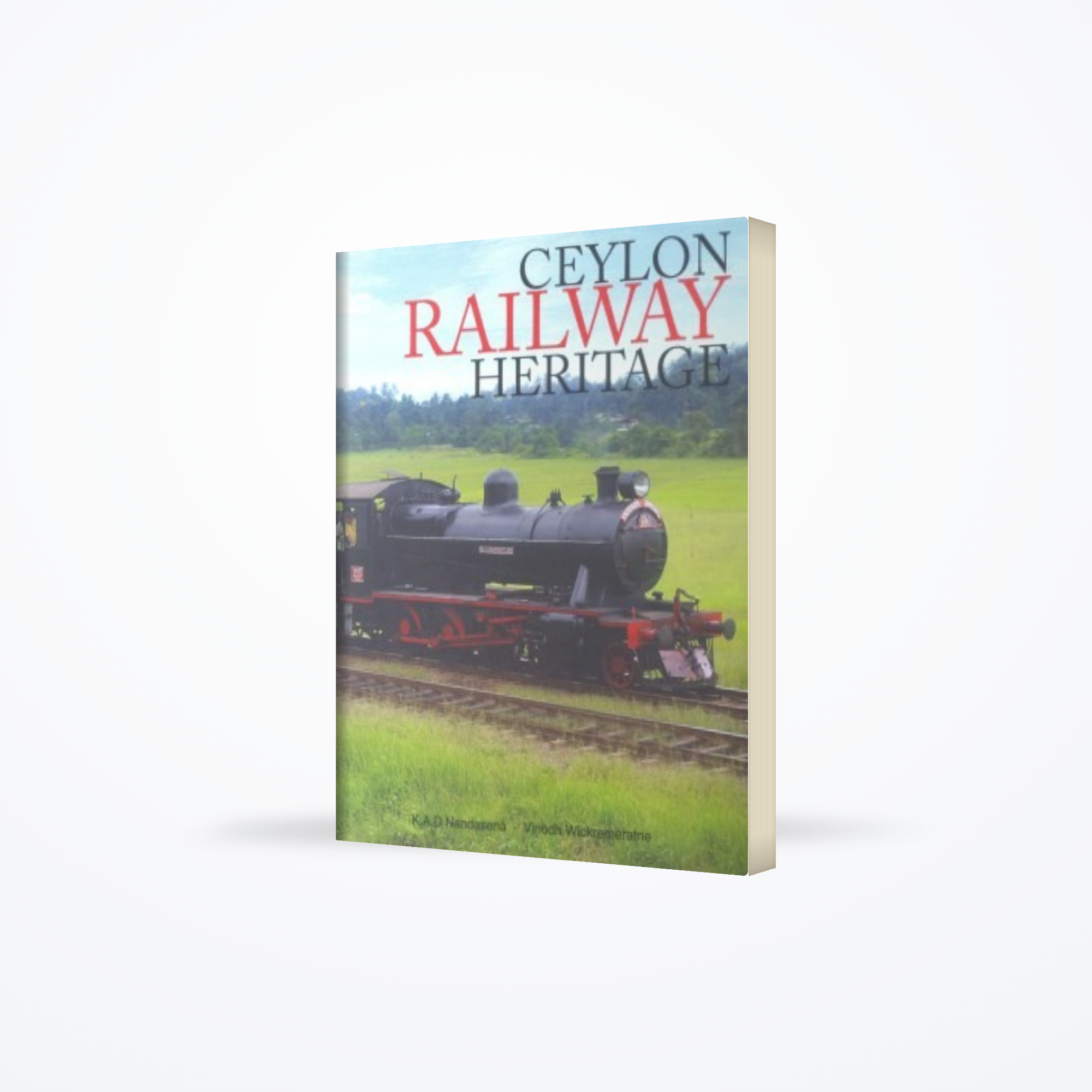
Beyond the scheduled services, Sri Lanka has a small heritage rail culture worth knowing about. The Colombo Railway Museum near Maradana preserves vintage locomotives and rolling stock from the colonial era. Some heritage excursions operate on special occasions, and private charter options for observation carriages are sometimes available through the railway authority.
The Viceroy Special, a luxury charter train occasionally available for private hire, offers a more curated experience with period fittings, dining service, and planned stops — a niche option for groups or special occasions.
Practical tips for travelling by train in Sri Lanka
- Book reserved seats as early as possible, especially for the Kandy–Ella segment during high season.
- Carry a light layer even in the lowlands — highland carriages at altitude can be cool, particularly in the morning.
- Station names are sometimes spelled differently on tickets versus signage; confirm with a local or your guide.
- Food vendors board at major stations selling local snacks; meals on the train itself are limited on most routes.
- The observation carriage on the Badulla line has open-air viewing areas — hold belongings securely at tunnel entries.
- Allow buffer time at connections; delays of 30–60 minutes are not uncommon, particularly after heavy rain.
- A private driver or taxi waiting at the destination station removes the stress of onward logistics.
Related reading
2 pages on closely related subjects.