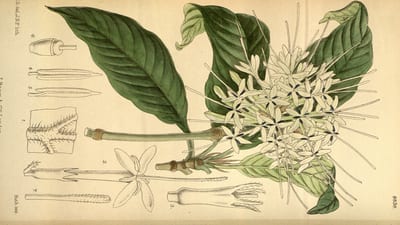
Plumbago indica, known in English as the fire plant or Ceylon leadwort, is a shrub in the family Plumbaginaceae grown in Sri Lanka. It is recorded in cultivation only, with long succulent roots and clusters of vivid red flowers. It has no recorded edible parts.
What does Plumbago indica look like?
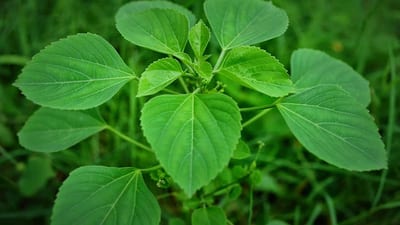
Plumbago indica is a shrub with long, succulent roots. Its leaves grow up to 15 cm long and up to 7 cm broad, oblong-elliptic in shape and broadest toward the middle, tapering to an acute tip and narrowing at the base. The leaf surface is glabrous (hairless), with a finely scurfy texture on the underside.
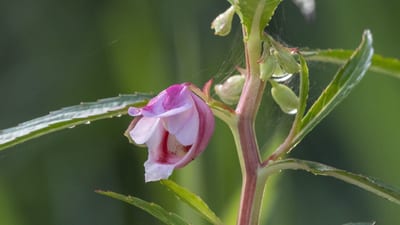
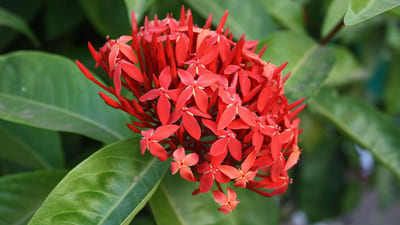
The flowers are red, carried in long racemes that range from purplish red to scarlet, and the inflorescence is not corymbose. Fruit has not been recorded for this species. Members of the Plumbaginaceae family typically bear tubular, five-lobed flowers arranged in spikes or racemes, a pattern consistent with this description.
Where does Plumbago indica grow in Sri Lanka?
In Sri Lanka, Plumbago indica is recorded only under cultivation. It is not documented as growing wild in the island. Species in this genus are generally native to tropical and subtropical regions of Asia.
What is its conservation status?
No wild population of Plumbago indica is recorded in Sri Lanka; its presence on the island is limited to cultivated plantings.
What is it called in Sinhala?
The Sinhala name recorded for Plumbago indica is Rath Nitul.
Can you eat Plumbago indica?
No edible parts are recorded for this species.
| Attribute | Recorded detail |
|---|---|
| Scientific name | Plumbago indica |
| Family | Plumbaginaceae |
| English name | Fire plant, Ceylon Leadwort |
| Sinhala name | Rath Nitul |
| Status in Sri Lanka | Only under cultivation |
| Edible parts | None |
| Life form | Shrub with long succulent roots |
| Leaves | Up to 15 cm long, up to 7 cm broad, oblong-elliptic, glabrous, finely scurfy beneath |
| Flowers | Red, in long purplish red to scarlet racemes, not corymbose |
| Fruit | Not seen |
Other species in this genus
2 more, sharing the same genus.