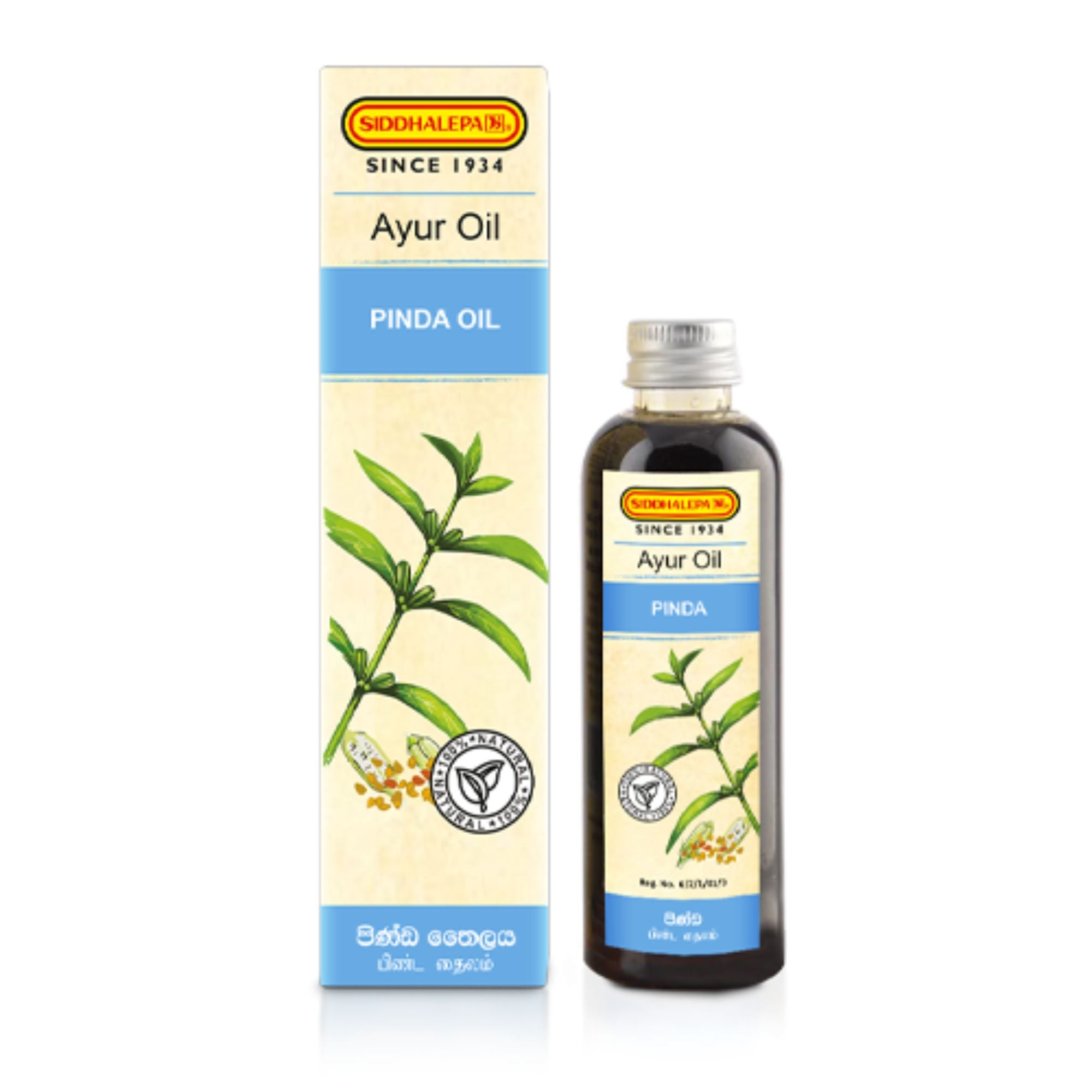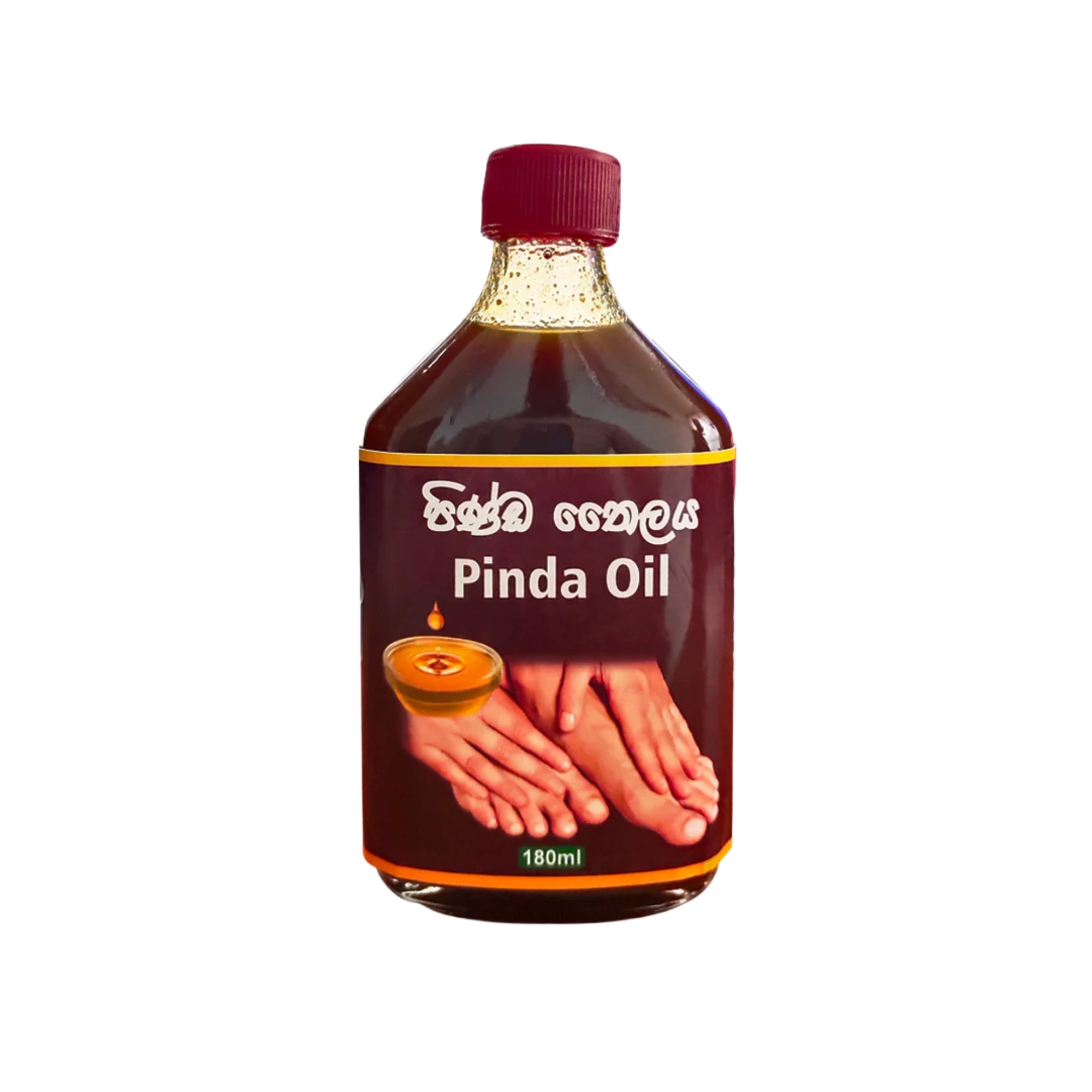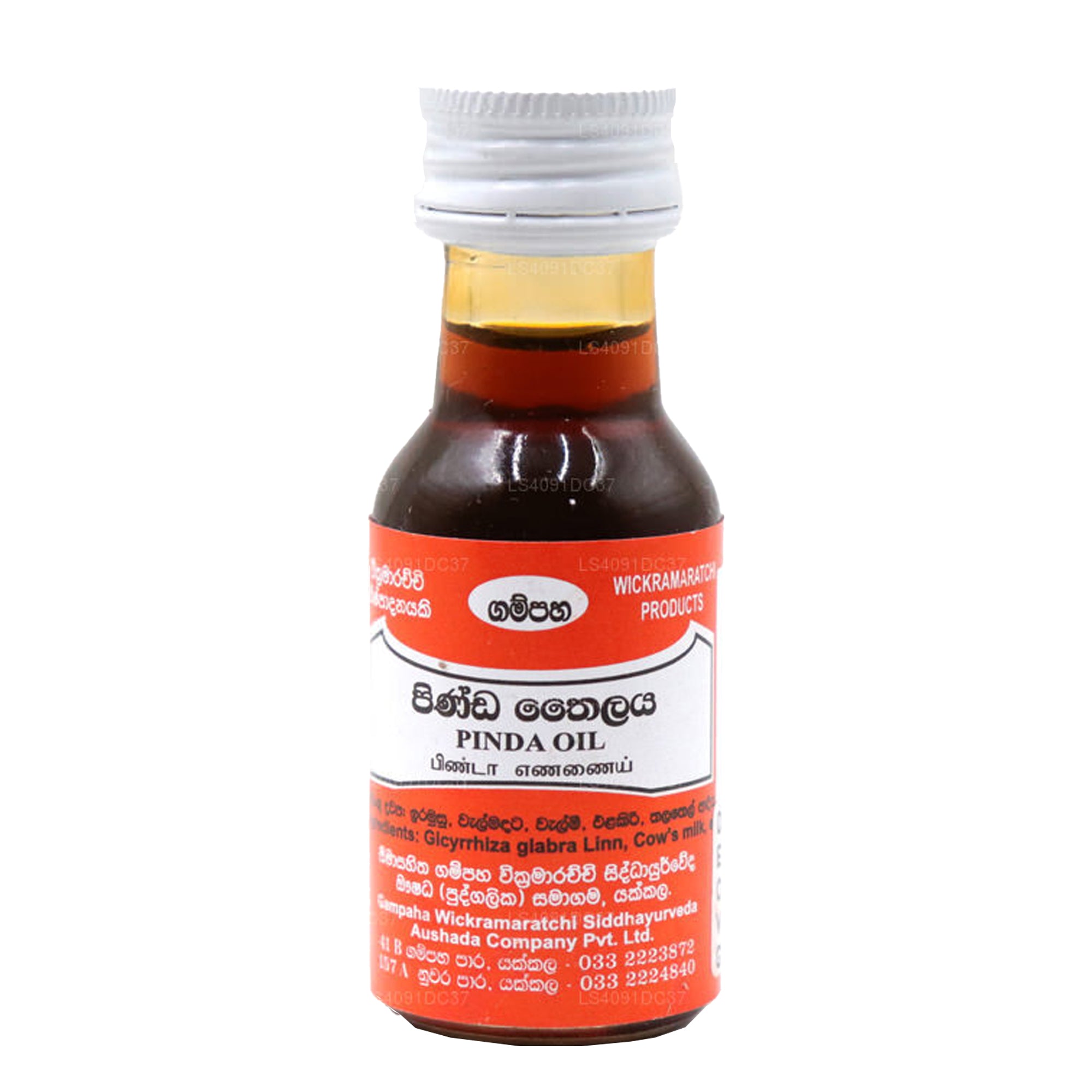
Pinda Oil is one of the most recognisable herbal preparations in Sri Lanka's Ayurvedic tradition. Made by infusing a combination of medicinal herbs, roots, and seeds into a base of natural oil — typically sesame or coconut — it has been formulated and used across the island for centuries. Whether kept in a family home for everyday muscle care or applied by therapists in dedicated wellness centres, Pinda Oil represents a practical, time-tested strand of Sri Lanka's broader herbal medicine culture.
What is Pinda Oil made from?
Traditional Pinda Oil formulations vary between manufacturers and Ayurvedic lineages, but most share a core set of ingredients drawn from Ayurvedic medicinal plants native to or naturalised in Sri Lanka. Common components include:
- Sesame oil – the most widely used base in classical Ayurveda, prized for its ability to carry herbal actives deep into tissue
- Coconut oil – used in some Sri Lankan variants as a lighter carrier suited to the island's tropical climate
- Welmadata, or Indian madder root (Rubia cordifolia) — the ingredient that gives Pinda Oil its distinctive deep red colour, and the one most closely associated with its use on irritated skin
- Iramusu (Hemidesmus indicus) — a cooling root used throughout Sri Lankan Ayurveda in preparations for the skin
- Beeswax and sal resin — called for in the classical Pinda Taila recipe to thicken the oil so that it stays on the skin; some producers retain them, others use the plain infused oil
Preparation follows classical methods: the herb mixture is decocted in water, combined with the base oil, and slowly heated until the water evaporates and the herbal compounds are absorbed into the oil. Reputable Sri Lankan producers — including long-established names such as Siddhalepa and Gampaha Wickramarachchi — adhere closely to these traditional manufacturing protocols.
What is Pinda Oil used for?
The most common application is therapeutic massage. When gently warmed and worked into the skin with steady pressure, Pinda Oil is understood within the Ayurvedic framework to penetrate the deeper layers of tissue, supporting relief from muscle stiffness, joint discomfort, and accumulated fatigue. Sri Lankan massage practitioners often combine it with specific stroke techniques to encourage circulation and lymphatic flow.
Beyond formal massage, everyday uses include:
- Self-massage before bathing — a practice sometimes called abhyanga in the broader Ayurvedic tradition — to maintain muscle tone and skin condition
- Topical application to areas affected by minor aches from physical labour, sport, or changes in weather
- Application to dry, scaling, or irritated skin — the use for which Sri Lankan brands such as Siddhalepa and Ayurvedaya most often label the oil, including for eczema- and psoriasis-prone skin
- Scalp and hair care in some regional formulations, where the oil is worked into the scalp to support hair health and encourage relaxation
- Preparatory anointing before meditation or certain ceremonial practices, where the oil's aromatic quality is considered beneficial for mental calm
Wellness centres across Sri Lanka — particularly those operating in Kandy, Beruwala, and the hill country — incorporate Pinda Oil into structured Ayurvedic treatment programmes. Visitors who book such programmes typically receive assessments before therapists select the appropriate oil variant for their constitution and presenting concern.
How does Pinda Oil fit into Sri Lanka's Ayurvedic tradition?
Sri Lanka has maintained an unbroken tradition of codified herbal medicine for well over two thousand years. The island's classical texts, royal patronage of physician families, and the survival of dedicated Ayurvedic teaching institutions have meant that formulations like Pinda Oil were never fully displaced by Western pharmaceutical practice. Today, the Department of Ayurveda under the Sri Lankan government regulates the manufacture and sale of Ayurvedic preparations, providing a degree of quality oversight that distinguishes locally produced oils from unregulated imports.
Certain family-run dispensaries — the Gampaha Wickramarachchi Ayurveda Teaching Hospital lineage being one of the better-known examples — have prepared Pinda Oil according to inherited formularies for generations. This continuity of craft is part of what makes Sri Lankan Ayurvedic products meaningful to both local users and visiting travellers looking for authentic wellness experiences.
Which Pinda Oil brands are available in Sri Lanka?
Several established Sri Lankan manufacturers produce Pinda Oil commercially. Quality, concentration, and intended use vary between brands, so it is worth reading product descriptions carefully:
| Brand | Known for | Typical size |
|---|---|---|
| Siddhalepa | Wide retail distribution, consistent classical formulation | 30 ml – 100 ml |
| Gampaha Wickramarachchi | Rooted in the Gampaha teaching hospital tradition | Varies |
| Ayurvedaya | Larger volumes suited to regular therapeutic use | 180 ml |
| Sethsuwa | Compact format for travel and trial | 60 ml |
| Ayurova Biotech / Beam / Link / Pasyale | Accessible price-point options widely stocked in pharmacies | Varies |
How should Pinda Oil be applied safely?
While Pinda Oil is a traditional preparation with a long safety record, a few practical points are worth noting:
- Warm before use – place the closed bottle in warm water for a few minutes rather than heating it directly over a flame
- Patch test – apply a small amount to the inner wrist and wait 24 hours if you have sensitive skin or known plant allergies
- Avoid broken or inflamed skin – the oil is intended for intact skin; do not apply over open wounds or acutely inflamed joints without clinical guidance
- Consult an Ayurvedic physician if you are pregnant, managing a chronic condition, or planning to use the oil as part of a longer therapeutic regimen rather than occasional self-care
- Storage – keep in a cool, dark place away from direct sunlight to preserve the herbal constituents
Where can travellers buy authentic Pinda Oil in Sri Lanka?
Pinda Oil is widely available across Sri Lanka — at dedicated Ayurvedic pharmacies, supermarket health sections, airport duty-free outlets, and wellness retreat gift shops. In Colombo, established Ayurvedic pharmacies in the Maradana and Pettah areas stock a broad range of brands and formulations. Many Ayurvedic resorts will also sell the specific oil used during treatments so guests can continue their regimen at home. Lakpura stocks a curated selection of Sri Lankan Pinda Oil brands for travellers who prefer to order ahead or ship internationally.
Is Pinda Oil the same as other Ayurvedic massage oils?
Not exactly. Sri Lankan Ayurveda uses a family of medicated oils, each formulated for different therapeutic purposes. Pinda Oil is distinct from, for instance, Pas Oil (used in a five-herb formulation for broader tonic purposes) or Dasawaga Oil (oriented toward specific metabolic concerns). The name pinda relates to the bolus or bundle technique (pinda sweda) used in some classical treatments, though the bottled oil sold for home use is simply a herbal-infused massage oil inspired by that tradition. When visiting an Ayurvedic practitioner, they will select the most appropriate oil for your needs — Pinda Oil being one of the more commonly prescribed options for musculoskeletal care and general relaxation.