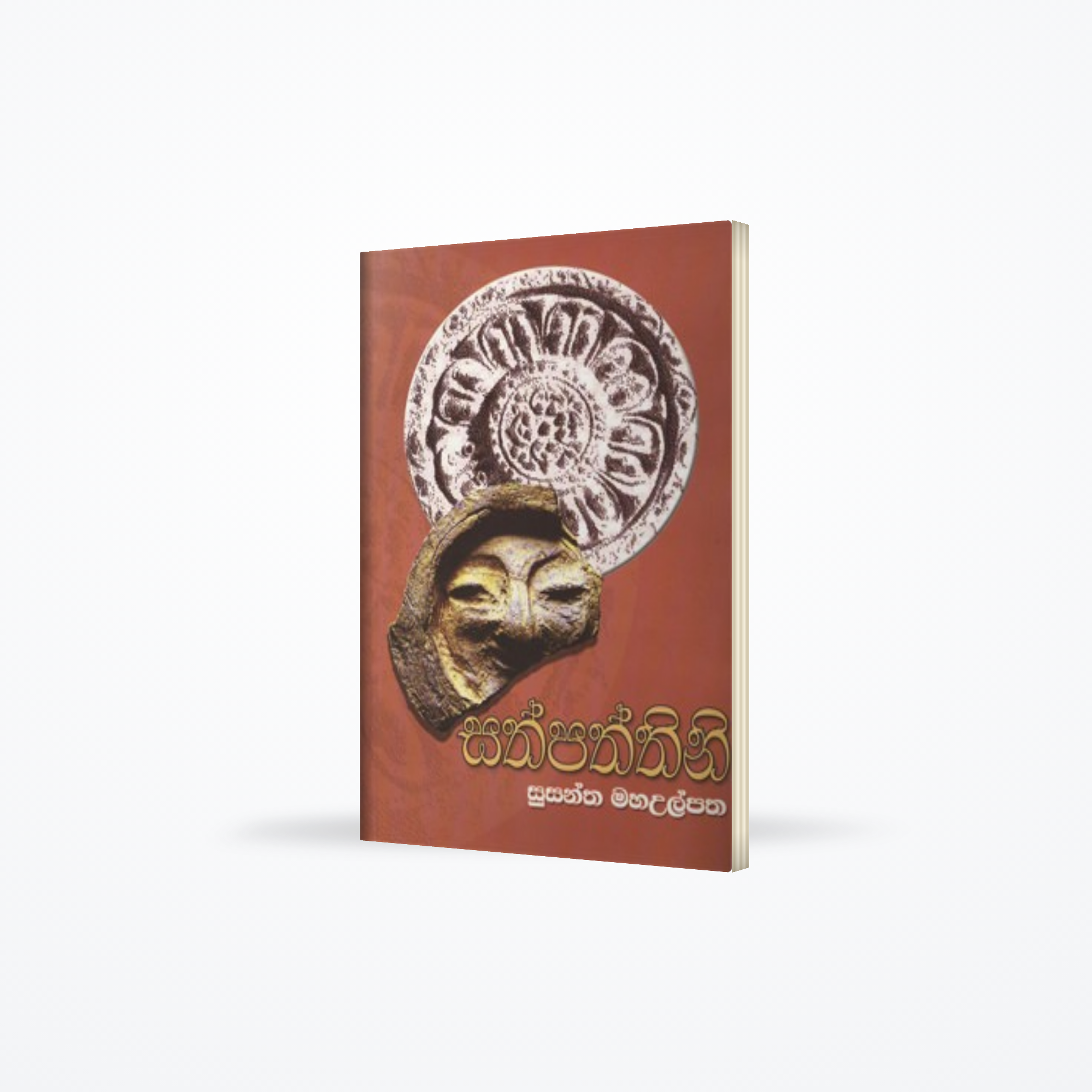
Paththini Devalaya refers to the network of shrines across Sri Lanka consecrated to Pattini (also spelled Paththini), one of the most widely venerated deities in the island's religious landscape. Revered by both Sinhalese Buddhists and Tamil Hindus, the goddess is associated with health, chastity, and protection from disease and misfortune. Her shrines — some grand, some intimate — form a living tradition of devotion that has persisted for well over a thousand years.
Who Is Pattini and Why Is She Worshipped in Sri Lanka?
Pattini is a goddess whose story originates in the Tamil epic Cilappatikāram, composed around the 5th century CE. The narrative centres on Kannaki, a devoted wife who, after her husband Kovalan is unjustly executed, tears off her anklet and burns a city in her grief — an act of righteous fury that deifies her. In Sri Lanka this figure was absorbed into Sinhalese folk religion and given the name Pattini, where she became a deity of healing and fertility rather than one of vengeance alone.
Anthropological studies, notably the extensive work of Gananath Obeyesekere, have traced the cult of Pattini in Sri Lanka back at least to the reign of King Gajabahu I in the 2nd century CE, who is said to have introduced the goddess's sacred anklets to the island. Whether or not this date is entirely historical, it signals how deeply embedded the cult is in Sri Lankan identity.
Where Are the Most Significant Paththini Devalaya in Sri Lanka?
Pattini shrines exist in virtually every corner of Sri Lanka, from small roadside alcoves to elaborate complexes attached to Buddhist temples. Several sites carry special ritual weight:
- Nawagamuwa Paththini Devalaya – Located in the Kegalle district, this is widely regarded as one of the most important Pattini shrines in the country. Annual rituals here draw large congregations and involve elaborate offerings and fire-walking ceremonies.
- Aluthgama Paththini Devalaya – Situated in the western coastal belt, this shrine is visited by devotees seeking relief from illness and invoking the goddess's protective blessings.
- Kandy-area shrines – The Kandy region holds a number of Pattini shrines associated with the broader network of guardian deities connected to the Dalada Maligawa (Temple of the Tooth Relic). The goddess is counted among the four principal guardian deities of the island.
- Northern and Eastern shrines – In Tamil-majority areas, similar shrines dedicated to Kannaki Amman reinforce the cross-cultural nature of the cult.
What Rituals and Ceremonies Take Place at a Paththini Devalaya?
Ritual practice at Pattini shrines is richly varied and reflects Sri Lanka's syncretic religious culture. At the most active devalaya, a hereditary priest known as a kapurala conducts daily offerings of flowers, incense, and lamp-lighting. Devotees bring vows (vadisi) and return when a prayer has been answered, offering gifts or sponsoring a ceremony.
Among the most significant ritual cycles associated with the goddess is the gammaduwa, an all-night ritual drama performed in villages to propitiate Pattini and ward off epidemics. Fire-walking (gini-pāla) is another prominent rite, with devotees walking across live coals as an act of faith and thanksgiving. These ceremonies typically peak during the Sinhala–Tamil New Year period in April and during times of communal need such as drought or disease outbreaks.
The Esala Perahera in Kandy, though primarily a Buddhist procession, also honours the four guardian deities including Pattini, whose casket is carried in the procession as a reminder of her central place in the island's spiritual calendar.
What Can Visitors Expect When They Visit a Paththini Devalaya?
Visiting a Pattini shrine is a genuinely immersive cultural experience. Unlike many tourist attractions, these are active places of worship, and visitors are welcome as long as basic courtesies are observed.
- Dress modestly — shoulders and knees should be covered for both men and women.
- Remove shoes before entering the inner sanctum.
- Photography is usually permitted in the outer courtyard but should be avoided during active rituals unless the kapurala gives explicit permission.
- Small offerings — typically coconut flowers, incense, or oil lamps — can be purchased from vendors near the entrance if you wish to make a devotional gesture.
- Visiting during a festival day will show the shrine at its most atmospheric, though the surrounding area will be considerably busier.
How Does the Cult of Pattini Reflect Sri Lankan Religious Syncretism?
The Pattini cult is one of the clearest examples of how Buddhism, Hinduism, and indigenous folk religion have interwoven in Sri Lanka over centuries. The majority of Pattini devotees are Sinhalese Buddhists who see no contradiction in venerating a goddess within a broadly Buddhist framework — the deity is understood to be a bodhisattva-like protective figure rather than a rival to the Buddha's teachings.
This syncretism is also evident in the architecture of many devalaya, which often stand within or immediately adjacent to Buddhist temple complexes. The rituals themselves blend Pali-language invocations with Sinhala poetry, drumming traditions, and material offerings that have clear Hindu antecedents. For a visitor interested in Sri Lanka's living religious culture, a Paththini Devalaya offers a window that no museum can fully replicate.
When Is the Best Time to Visit a Paththini Devalaya?
Pattini shrines are open year-round and receive daily visitors. The most rewarding time to visit, if witnessing ceremonies is a priority, is around the Sinhala and Tamil New Year in April, when gammaduwa and related rites are most frequently performed. Many shrines also hold special observances on full-moon (poya) days each month. If you are visiting a specific major shrine such as Nawagamuwa, it is worth enquiring in advance about the ritual calendar, as the dates of large festivals can shift slightly from year to year.
How Do I Get to a Paththini Devalaya from Colombo?
The answer depends on which shrine you plan to visit. Nawagamuwa Paththini Devalaya in the Kegalle district is roughly 80–90 km from Colombo, typically reached by road via the A1 Kandy highway — allow around two hours by private car. Shrines in the Kandy area can be combined with a broader Kandy city tour. For remote or less-signposted shrines, hiring a private driver-guide familiar with the local area is strongly recommended, as public transport connections are often infrequent.
Nearby places
16 places within about 25 km, nearest first.
- Millennium Elephant Foundationunder 1 km
- Pinnawala Elephant Orphanage1 km
- National Railway Museum2 km
- Bopagama Ella3 km
- Pannila Cave3 km
- Pinnawala Open Zoo4 km
- Pinnawala City4 km
- St Mary’s College Grounds4 km
- Kegalle City4 km
- Kegalle District4 km
- Polgahawela Railway Station5 km
- Polgahawela City5 km
- Polgahawela Accommodations6 km
- Rambukkana Railway Station6 km
- Rambukkana City6 km
- Pinnawala Iperanigama Theme Park6 km
Related reading
1 pages on closely related subjects.