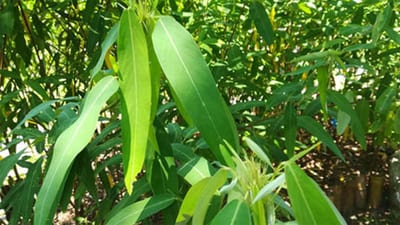
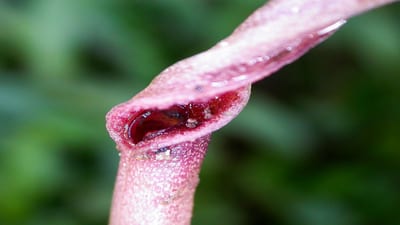
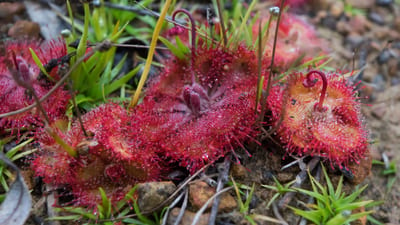
Neptunia oleracea, known in Sinhala as Diya Nidikumba (දිය නිදිකුම්බා), is a water-growing legume native to Sri Lanka. It belongs to the pea and bean family, Fabaceae, and is commonly called the sensitive water plant in English, a name that points to its most distinctive trait.
What does Neptunia oleracea look like?
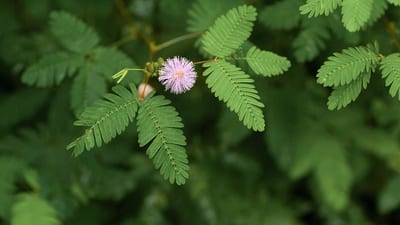
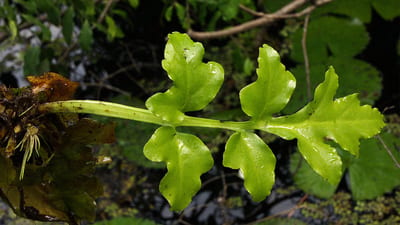
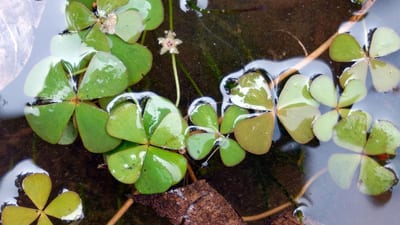
Like other members of Fabaceae, Neptunia oleracea produces compound leaves made up of small leaflets arranged in pairs along a central stalk. Its common name refers to the sensitive-plant behaviour shared by several legumes in this group, where the leaflets fold inward when touched. As an aquatic or semi-aquatic herb, it trails and floats along the surface of still or slow-moving water rather than growing as an upright shrub or tree.
Where does Neptunia oleracea grow in Sri Lanka?
This is a native species in Sri Lanka, meaning it occurs here as part of the island's natural flora rather than having been introduced. As a water plant, it is associated with freshwater habitats such as ponds, marshes and slow-flowing waterways, consistent with its floating, sensitive growth habit.
What is its conservation status?
Under the National Conservation Status list of Sri Lanka (2012), Neptunia oleracea is assessed as Least Concern, abbreviated LC (NCS)-2012. This designation indicates the species was not considered at elevated risk of extinction in Sri Lanka at the time of that national assessment.
What is it called in Sinhala?
The Sinhala name recorded for this species is Diya Nidikumba (දිය නිදිකුම්බා). The name reflects a pattern common in Sinhala plant nomenclature, where "diya" (water) marks the aquatic habit of the plant, distinguishing it from related land-growing Nidikumba species.
Is Neptunia oleracea used as food?
No edible parts are recorded for this species in the Lakpura flora register. It should not be treated as a food plant.
| Attribute | Recorded detail |
|---|---|
| Scientific name | Neptunia oleracea |
| Family | Fabaceae |
| English name | Sensitive water plant |
| Sinhala name | Diya Nidikumba (දිය නිදිකුම්බා) |
| Status in Sri Lanka | Native |
| Conservation status | LC (NCS)-2012 |
| Edible parts | None |