Malwathu Maha Viharaya — widely known as Malwatta Temple — stands on the southern bank of the Kandy Lake as one of the most spiritually significant Buddhist monasteries in Sri Lanka. Together with the neighbouring Asgiriya Maha Viharaya, it holds joint custodianship of the Sacred Tooth Relic of the Buddha, enshrined at Sri Dalada Maligawa just a short distance away. For practicing Buddhists and heritage travellers alike, a visit to this monastery offers a rare encounter with living monastic tradition rooted in more than five centuries of history.
What is the history of Malwathu Maha Viharaya?
The monastery is believed to have been founded by King Senasammatha Wickramabahu, who ruled from around 1473 to 1511. The original construction included a stupa and a double-storey ordination hall known as an uposathagaraya, built to house a small community of three resident monks. Over the following centuries, successive Kandyan kings extended and enriched the complex.
A particularly significant addition is the poya ge, an assembly hall constructed during the reign of King Kirti Sri Rajasinha in the 18th century. This building continues to serve as the formal meeting hall for the senior monastic council — the Karaka Sangha Sabha — of the Malwatta chapter. Under Kirti Sri Rajasinha, the Siyam Nikaya monastic order was formally established in Sri Lanka with the assistance of monks from Siam (Thailand), and Malwathu Maha Viharaya became its principal seat.
What is the role of Malwathu Viharaya in Sri Lankan Buddhism?
The monastery serves as the headquarters of the Malwatta chapter of the Siyam Nikaya, one of the three principal nikayas (monastic orders) of Theravada Buddhism in Sri Lanka. The Mahanayaka Thero — the chief monk of the Malwatta chapter — is among the most senior religious figures in the country, regularly consulted on matters of national and spiritual importance.
Malwathu Viharaya's most prominent institutional responsibility is its shared custodianship of the Dalada — the Sacred Tooth Relic. The monastery plays a central ceremonial role during the annual Esala Perahera Festival, one of Asia's grandest religious processions, which culminates near the Dalada Maligawa each July or August. Monks from Malwathu Viharaya participate in key rituals throughout the ten-day festival, drawing tens of thousands of pilgrims to Kandy.
What can visitors see at Malwathu Maha Viharaya?
The monastery complex is relatively compact but architecturally layered. Visitors typically observe the following:
- The Uposathagaraya (Ordination Hall): The double-storey structure dating to the monastery's founding period, used for the ordination of Buddhist monks. Its architecture reflects the distinctive Kandyan style, with carved timber columns and a tiered roof.
- The Poya Ge: Built during the Kirti Sri Rajasinha era, this assembly hall is where senior monks of the Karaka Sangha Sabha convene for formal chapter meetings. The hall is not always accessible to lay visitors but can be admired from the courtyard.
- The Stupa: A modest but historically significant dagoba within the grounds, tracing its origins to the monastery's earliest phase of construction.
- Monk Residences and Monastic Gardens: The broader campus now accommodates a substantial community of monks, including novices studying under the Malwatta chapter. The serene garden paths and traditional Kandyan-period architecture create a contemplative atmosphere.
Because Malwathu Viharaya is an active, functioning monastery rather than a museum, visitors are expected to dress modestly (shoulders and knees covered), remove footwear before entering temple buildings, and maintain a respectful, quiet demeanour throughout.
How does Malwathu Viharaya relate to the Sacred Tooth Relic?
The custodianship arrangement between Malwathu Viharaya and Asgiriya Maha Viharaya reflects a centuries-old governance structure for Sri Lanka's most sacred Buddhist relic. Both monasteries participate in the ceremonial rituals at the Dalada Maligawa, including the daily tevava (offering) services. Historically, the right to custody was a mark of royal legitimacy — Kandyan kings derived significant political authority from their association with the Tooth Relic and the two chapter monasteries that safeguarded it.
When is the best time to visit Malwathu Viharaya?
The monastery is accessible year-round. Mornings between roughly 6:00 a.m. and 9:00 a.m. tend to offer the most authentic experience, as monks conduct morning chanting and the grounds are relatively uncrowded. The most atmospheric time to visit Kandy as a whole is during the Esala Perahera, typically held over ten nights in July or August — though the city is significantly busier during this period and accommodation should be arranged well in advance.
Poya days (full-moon days of the Buddhist lunar calendar) see increased activity at the monastery, with lay devotees arriving to offer flowers, light oil lamps, and observe religious observances. If you are interested in witnessing active Buddhist practice, a visit on a Poya day is particularly worthwhile.
How do I get to Malwathu Viharaya from Colombo?
Malwathu Maha Viharaya is located in central Kandy, within easy walking distance of the Dalada Maligawa and Kandy Lake. Kandy lies approximately 115 kilometres from Colombo, typically a 2.5- to 3.5-hour drive depending on traffic. The most scenic route from Colombo is via the A1 highway through the central hills. Trains from Colombo Fort to Kandy run several times daily and offer a comfortable alternative; the monastery is then reachable by tuk-tuk or on foot from Kandy railway station.
If you plan to combine Malwathu Viharaya with other heritage sites around Kandy, a Kandy city tour arranged through a local driver-guide is a practical way to cover the key landmarks efficiently.
What else is worth visiting near Malwathu Viharaya?
Central Kandy offers a compact cluster of significant sites within walking distance of the monastery:
- Sri Dalada Maligawa (Temple of the Tooth): The primary Buddhist shrine of Sri Lanka and the monastery's ceremonial counterpart, located a short walk from Malwathu Viharaya.
- Kandy Lake: The artificial lake constructed by the last Kandyan king, Sri Wickrama Rajasinha, forms a scenic centrepiece around which many of Kandy's major sites are clustered.
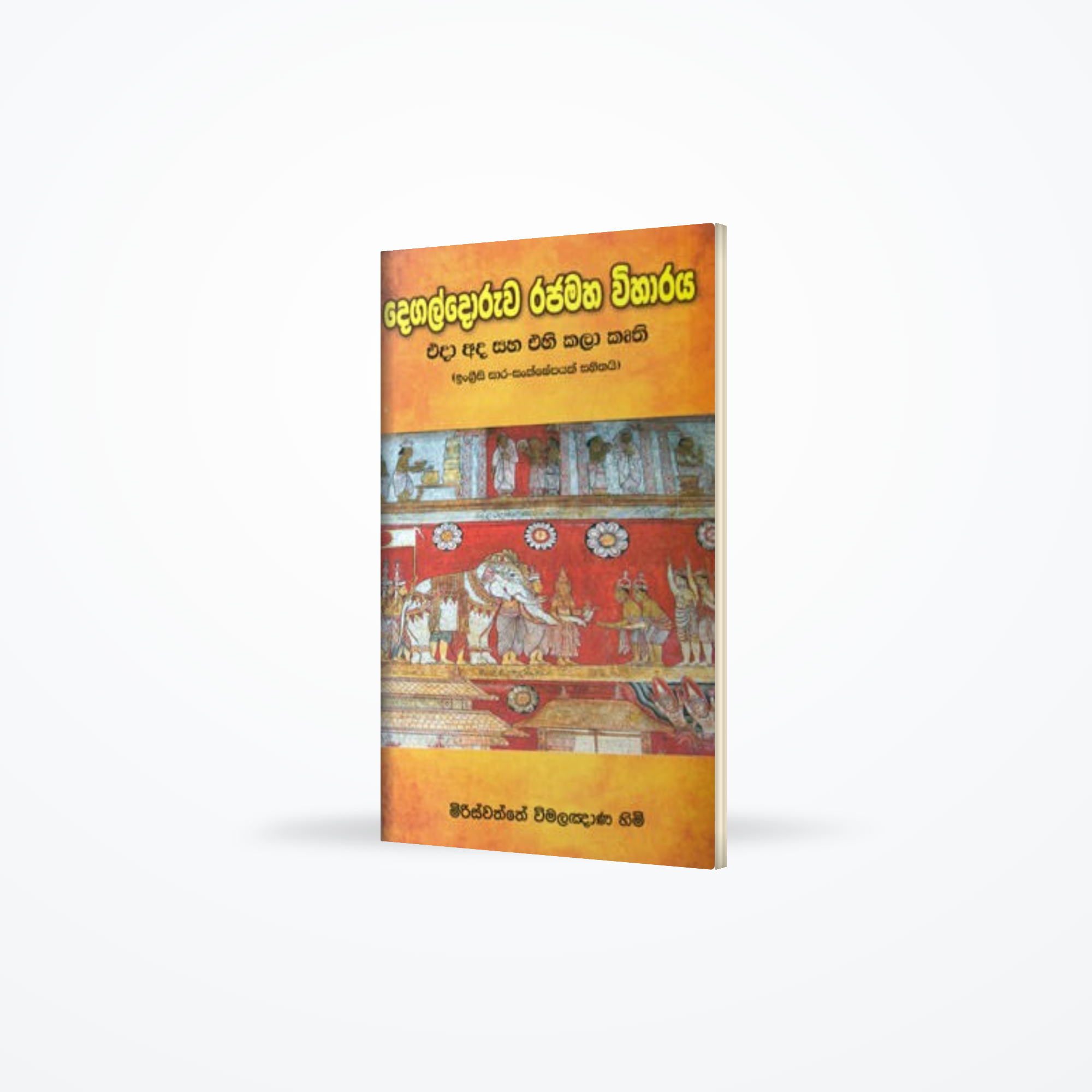
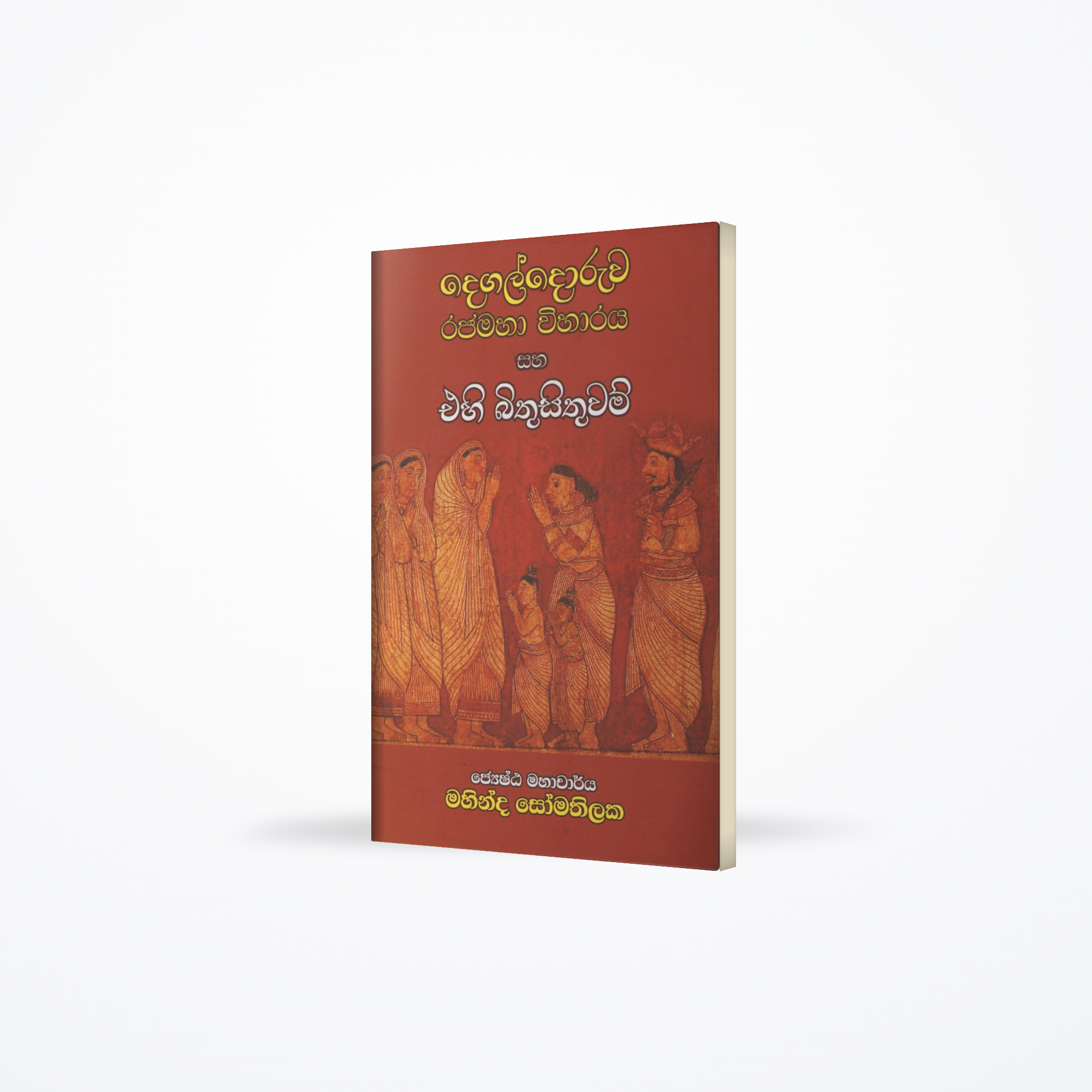
- Degaldoruwa Rajamaha Viharaya: A cave temple known for well-preserved Kandyan-period murals, located a few kilometres east of Kandy city.
- Asgiriya Maha Viharaya: The co-custodian monastery of the Tooth Relic and the other major chapter headquarters of the Siyam Nikaya, situated in the Asgiriya neighbourhood of Kandy.
For visitors with more time, the broader Central Province offers a wealth of heritage and natural experiences, from the ancient ruins of Polonnaruwa to the cloud forests of the central hills.
Nearby places
9 places within about 25 km, nearest first.
- Maha Vishnu Devalayaunder 1 km
- Natha devalayaunder 1 km
- Natha Devaleunder 1 km
- Jayatillake Mandapayaunder 1 km
- International Buddhist Museumunder 1 km
- Kandy city centerunder 1 km
- Kandy Lakeunder 1 km
- Paththirippuwaunder 1 km
- Udawatta Kele Sanctuaryunder 1 km