Set beside the Kelaniya River in the Gampaha District, Kithsirimewan Rajamaha Viharaya is one of the older Buddhist temples in Sri Lanka's Western Province. While it sits in the shadow of the more widely known Kelaniya Raja Maha Viharaya nearby, this temple has its own lineage, its own community of resident monks, and a quietly enduring place in the religious life of the region. For travellers who want to move beyond the headline heritage sites, a visit here offers a more intimate encounter with living Theravada Buddhist practice.
What is the history of Kithsirimewan Rajamaha Viharaya?
The temple is believed to have been established during the Anuradhapura period, placing its origins more than a thousand years ago. Ancient Pali chronicles and later Sinhala texts make reference to the broader Kelaniya religious landscape, of which this temple forms a part. The name Kithsirimewan itself carries royal and devotional resonance — kithsiri evokes auspiciousness, and mewan connects to the palace or hall of merit — suggesting the site may have had royal patronage at some point in its history.
Over the centuries, the temple was periodically restored, as was common for Sri Lankan religious sites that endured the turbulence of colonial-era disruption. The present complex reflects successive phases of renovation, with older structural elements incorporated alongside more recent additions. This layering of periods is characteristic of living temples across the island, from the great stupas of Anuradhapura to smaller district shrines like this one.
What can you see inside the temple complex?
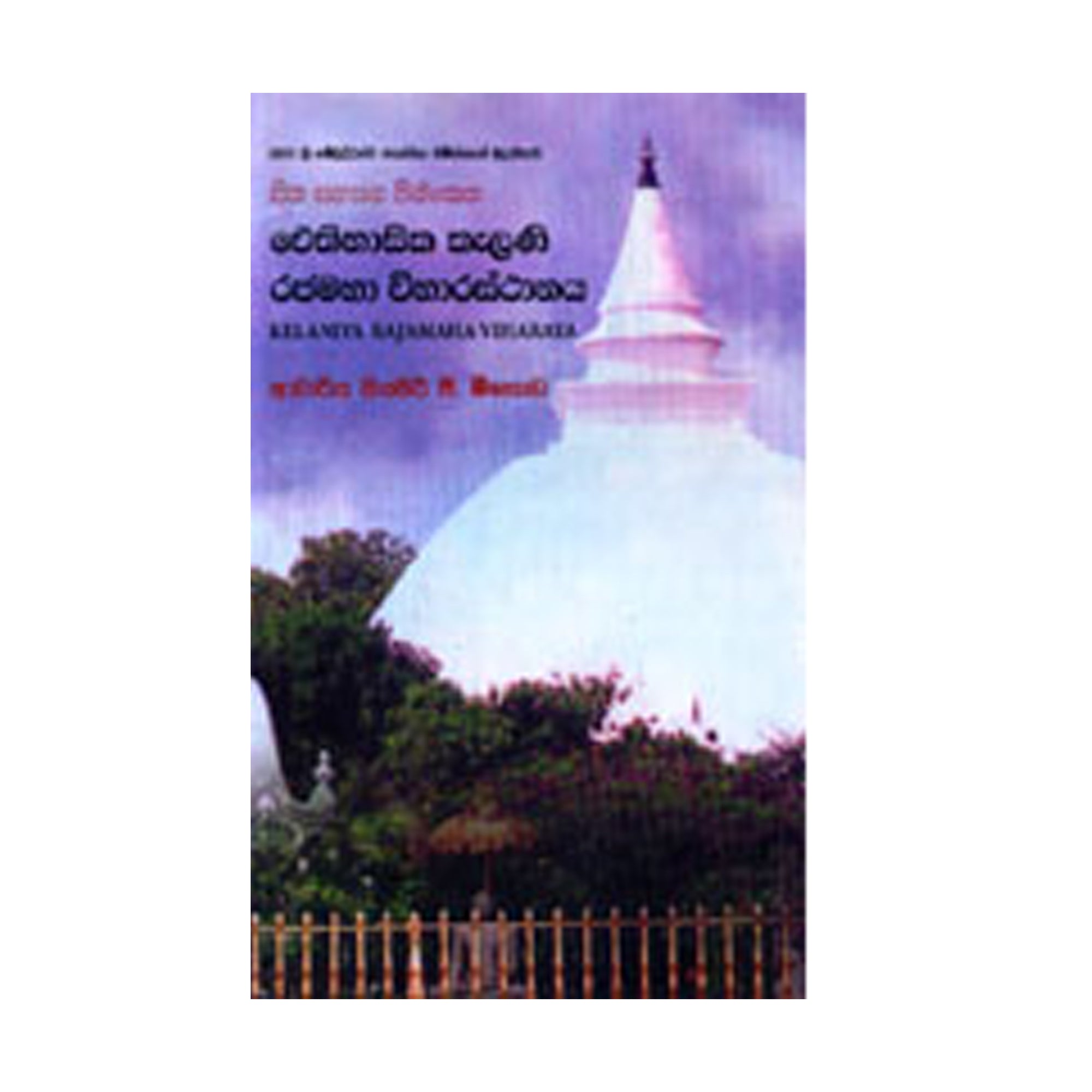
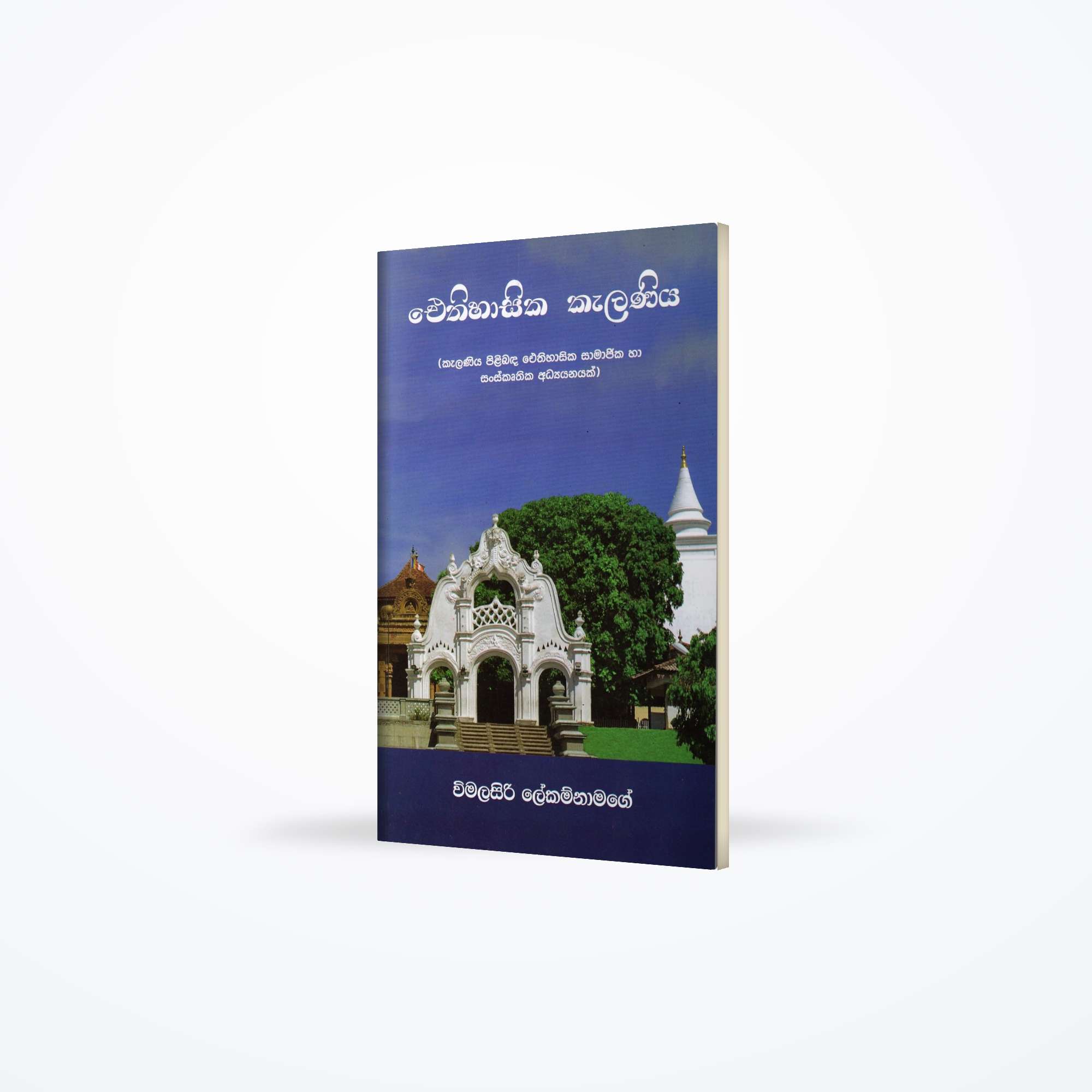
The compound follows a traditional layout, with the stupa as the physical and devotional centrepiece. The dagoba here, while modest in scale compared to the great stupas of the ancient capitals, is kept in active worship — visitors will typically find fresh flowers, oil lamps, and the scent of incense around its base throughout the day.
- Buddha statues: The image house contains seated and standing figures of the Buddha, some of which are attributed to earlier periods of construction. The iconography follows classical Sri Lankan conventions, with mudras (hand gestures) marking specific qualities such as meditation, protection, and the calling of the earth to witness.
- Wall paintings: Interior surfaces carry painted narratives drawn from the Jataka tales and scenes from the life of the Buddha. The style is consistent with Kandyan-influenced temple art that spread across the island from the eighteenth century onward.
- Sacred relics: The temple is associated with relic veneration, which is central to Theravada Buddhist practice in Sri Lanka. Whether the relics here are bodily relics (sarira) or use-relics (paribhoga) is not always specified in public records, but their presence elevates the site's status as a place of pilgrimage.
- Dhamma school: Like many active temple complexes, Kithsirimewan Rajamaha Viharaya operates a Dhamma school for children in the surrounding community, maintaining the temple's role as an educational institution alongside its religious functions.
When is the best time to visit Kithsirimewan Rajamaha Viharaya?
The temple is open to visitors throughout the year and sees its highest activity on poya days — the full moon days of the Buddhist lunar calendar. On these days, lay devotees arrive in white clothing to observe the eight precepts, make offerings, and participate in communal chanting. Arriving on a poya morning gives a visitor the fullest sense of the temple as a living institution rather than a heritage site.
The most significant festival period in the broader Kelaniya area is the Duruthu Perahera, held in January, which commemorates the Buddha's legendary visit to Kelaniya. While the main procession takes place at the adjacent Kelaniya Raja Maha Viharaya, the surrounding temples including Kithsirimewan participate in the devotional atmosphere of the season. The Esala Perahera Festival in Kandy, typically in July or August, is another period when Buddhist observance intensifies across the island.
For those who prefer a quieter experience, weekday mornings between poya days offer relative calm — resident monks conduct their morning rituals, and the temple grounds are peaceful enough for contemplation.
How do I get to Kelaniya from Colombo?
Kelaniya is approximately 11 kilometres northeast of central Colombo, making it one of the most accessible day-trip destinations from the capital. The journey by road typically takes between 30 and 45 minutes depending on traffic, which can be considerable on the Colombo–Kandy arterial road. A private vehicle or taxi is the most practical option for visitors who want flexibility over timing. Alternatively, public buses on several routes pass through Kelaniya town, and the Kelaniya railway station on the Main Line connects to Colombo Fort in under an hour.
Visitors combining a trip here with a broader Colombo itinerary may find it useful to pair the temple visit with a Colombo city tour, as Kelaniya sits close enough to the capital to be a natural extension of a half-day or full-day circuit.
What should visitors know before arriving?
Standard temple etiquette applies at Kithsirimewan Rajamaha Viharaya, as at all Sri Lankan Buddhist sites. Visitors should remove shoes before entering any building or circumambulating the stupa. Shoulders and knees should be covered — lightweight clothing in neutral tones is practical in the tropical heat and appropriate for the setting. Photography is generally permitted in outdoor areas; check with the resident monks before photographing interior shrines or sacred objects.
There is no formal entrance fee for general visitors, though donations to the temple are welcomed and go toward maintenance and community programmes. The temple grounds are maintained by the resident sangha and supporting lay community.
What is the broader significance of Kelaniya as a Buddhist site?
Kelaniya occupies a singular position in Sri Lankan Buddhist tradition. According to the Mahavamsa — the fifth-century Pali chronicle that records the island's history — the Buddha himself visited Kelaniya during his third and final visit to Sri Lanka, and sat upon a gem-set throne offered by the Naga king Maniakkhika. This legend underlies the deep reverence the Kelaniya area commands among Theravada Buddhists not only in Sri Lanka but across South and Southeast Asia.
Kithsirimewan Rajamaha Viharaya participates in this sacred geography. Its proximity to the river, its ancient foundations, and its continuous use as a place of worship place it within a tradition that has shaped Sri Lankan religious identity for over two millennia. For travellers interested in the deeper currents of Sri Lankan Buddhism, sites like this one — less polished than the major pilgrimage centres, but no less genuine — often leave the most lasting impression.
What else is near Kithsirimewan Rajamaha Viharaya?
The Kelaniya area rewards exploration beyond any single temple. The Kelaniya River itself is an important natural and cultural feature of the region. Visitors making a longer day out of the area can combine a temple visit with a stop at the Attanagalla Raja Maha Viharaya, another historically significant temple in the Gampaha District with its own distinct tradition and following. The Attanagalla shrine is particularly notable for its multi-faith character, attracting devotees from Buddhist, Hindu, and Christian backgrounds — an unusual feature that speaks to the syncretic religious culture of lowland Sri Lanka.
For those with more time, the Iranawila Rajamaha Viharaya on the coast to the northwest offers another point of comparison — a coastal temple community with a different environmental setting but similarly deep roots in the Western Province's Buddhist heritage.
Nearby places
10 places within about 25 km, nearest first.
- Wanawasala Railway Stationunder 1 km
- Duruthu Peraheraunder 1 km
- Kelaniya Temple Paintingsunder 1 km
- Kelaniya Railway Stationunder 1 km
- Kelaniya Raja Maha Vihara Stupaunder 1 km
- Kiribathgoda2 km
- Kelaniya City3 km
- Kadawatha4 km
- Wattala City5 km
- St. Anne's Church, Wattala5 km
Related reading
1 pages on closely related subjects.