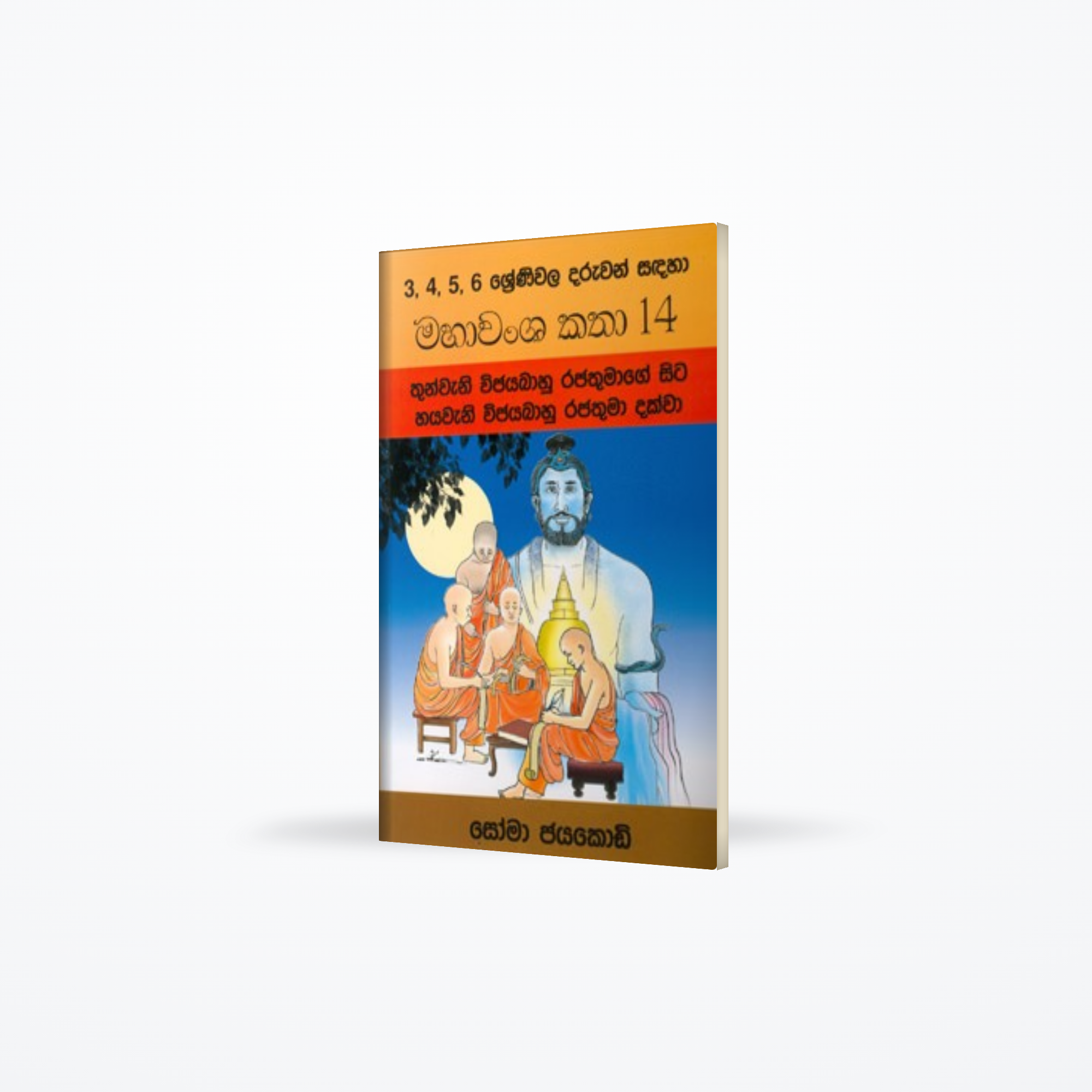
King Vijayabahu III ruled the Kingdom of Dambadeniya in the thirteenth century, during one of the most turbulent periods in Sri Lankan history. His reign marked an effort to consolidate Sinhalese royal authority after repeated South Indian invasions had displaced the ancient capitals of Anuradhapura and Polonnaruwa. Although his time on the throne was relatively brief, Vijayabahu III laid important groundwork for the resurgence of Buddhist culture and royal governance that his successors would build upon.
Who was King Vijayabahu III?
Vijayabahu III was a king of the Dambadeniya dynasty, which established itself in the wet-zone highlands of Sri Lanka when the more exposed northern plains became difficult to defend. The move inland was both a strategic military decision and a cultural pivot, bringing the royal court closer to the island's forested interior. He is recorded in the Mahavamsa — the great Pali chronicle of Sri Lankan history — as a king who upheld the Dhamma and maintained the monastic order during a period of external pressure.
His lineage connects directly to the broader Vijayabahu royal tradition, a name carried by several rulers who each sought to restore the island's political unity after periods of fragmentation. The name itself carries symbolic weight: "Vijaya" evokes victory, and "bahu" means arm or strength, together suggesting a ruler who conquers through force of character as much as military might.
What was the historical context of his reign?
The thirteenth century was a period of considerable instability across South Asia. In Sri Lanka, the Kalinga Magha invasion of the early 1200s had devastated the northern plains, displacing populations and disrupting the sophisticated irrigation systems that had sustained the ancient kingdoms. Successive rulers attempted to re-establish legitimate Buddhist kingship further south and inland, and Vijayabahu III was part of this sustained effort.
The Dambadeniya period, which roughly spanned the mid-thirteenth century, is particularly significant because it produced Parakramabahu II — widely regarded as one of the greatest kings of medieval Sri Lanka — who followed Vijayabahu III. The groundwork laid during Vijayabahu III's reign, including the stabilisation of the royal court and the protection of the Sangha (monastic community), helped make that subsequent flourishing possible.
What role did Buddhism play during his reign?
Like virtually all Sinhalese kings, Vijayabahu III derived a substantial portion of his political legitimacy from his role as a protector of Theravada Buddhism. The relationship between the crown and the Sangha was deeply symbiotic: kings funded monasteries and enshrined relics, while monks offered ritual blessings and recorded royal lineages in chronicles. During periods of invasion and instability, maintaining this relationship was as much a political act as a religious one.
The Mahavamsa credits him with efforts to sustain Buddhist institutions at a time when many were under strain. Temples, stupas, and monastic complexes required royal patronage to function, and continuing that patronage in difficult circumstances required both resources and political will.
Where did King Vijayabahu III rule from?
The Dambadeniya kingdom was centred on a rock fortress in what is now the North Western Province of Sri Lanka, in the Kurunegala district. Dambadeniya offered natural defensive advantages — a prominent rock formation that could be fortified — combined with access to fertile lowlands. The capital was far enough from the coast to reduce vulnerability to seaborne raids while remaining connected to trade routes running through the island's interior.
This shift away from the ancient northern capitals was not merely a retreat but a deliberate repositioning. The wet-zone forests and river systems of the interior provided both protection and resources, and several of the kingdoms that followed — including those centred on Yapahuwa, Kurunegala, and eventually Kandy — continued this tradition of highland kingship.
How does King Vijayabahu III fit into the broader Vijayabahu dynasty?
The Vijayabahu name appears across Sri Lankan royal history at several distinct points. Vijayabahu I, who ruled in the eleventh century, is perhaps the most celebrated bearer of the name — he expelled the Chola occupiers and reunified the island. Vijayabahu III, ruling roughly two centuries later, inherited this legacy and the expectations that came with it. His reign represents one chapter in a long royal narrative that the Mahavamsa carefully documents as a continuous thread of Buddhist kingship stretching back to the island's mythological origins.
Understanding this dynastic context matters for anyone interested in Sri Lankan history, because the chronicles present kingship not as a series of disconnected reigns but as an unfolding project of civilisation maintenance — each ruler either advancing or setting back the ideal of a unified, Dhamma-governed island.
What primary sources document his reign?
The principal source for King Vijayabahu III's reign is the Mahavamsa and its continuation, the Culavamsa, which was written and extended by Buddhist monks over many centuries. These chronicles blend genealogy, religious history, and royal biography, and while they reflect the perspective of the Sangha rather than a neutral historical record, they remain the most detailed surviving accounts of medieval Sri Lankan kingship.
Inscriptional evidence — stone and copper-plate inscriptions commissioned by kings or their officers — supplements the chronicles, though the thirteenth century produced fewer such records than the earlier Anuradhapura period. Archaeological work at Dambadeniya and surrounding sites continues to refine the picture of how this kingdom actually functioned day to day.
Why does his reign matter to visitors exploring Sri Lanka today?
For travellers with an interest in Sri Lankan heritage, the Dambadeniya period represents an underexplored chapter compared to the better-known sites of Anuradhapura, Polonnaruwa, and Sigiriya. The rock fortress at Dambadeniya, the temple complexes of the era, and the Esala Perahera Festival traditions that took shape during this period of Buddhist consolidation all connect back to rulers like Vijayabahu III. Visiting these sites with an understanding of the political and religious pressures these kings navigated brings the landscape to life in ways that a surface-level tour cannot.
Sri Lanka's medieval history is not a footnote — it is the foundation on which the country's living Buddhist culture, its art, its architecture, and its sense of national identity were built. Vijayabahu III, though not among the most celebrated kings by name, was part of the generation that held that foundation together when it was most at risk.