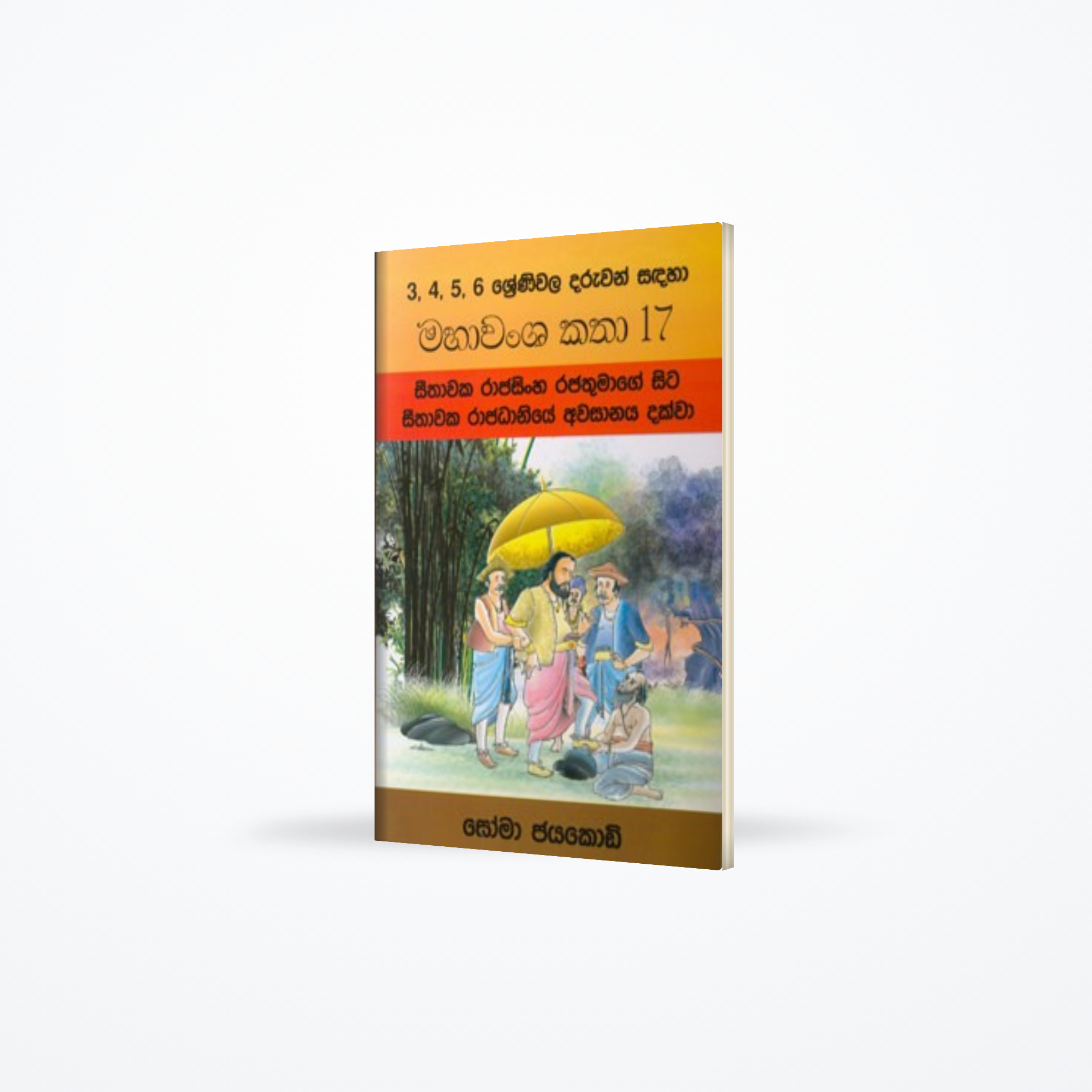
King Raja Singha I — also written as Rajasinghe I — ruled the Kingdom of Sitawaka from 1581 to 1593, and for much of that period effectively controlled the central highlands and the territory around Kandy. He stands as one of the most consequential military and political figures in pre-colonial Sri Lanka, celebrated for keeping Portuguese imperial ambitions in check at a time when the coastal lowlands had already fallen under European control.
Who was King Raja Singha I?
Born into the royal lineage of the Kingdom of Sitawaka, Raja Singha I inherited a political landscape already fractured by Portuguese interference and inter-kingdom rivalry. The Portuguese had established a formidable coastal presence after their arrival in 1505, gradually tightening their grip over the Kotte kingdom and the maritime trade routes. Against this backdrop, Raja Singha I emerged as the most determined indigenous opponent of European expansion on the island.
His reign was shaped by two overlapping ambitions: consolidating Sinhalese kingdoms under a single authority and expelling the Portuguese from Sri Lanka altogether. He came close to achieving both. At the height of his power, he controlled the largest territory of any Sinhalese king since the classical era, drawing strength from the mountainous interior that the Portuguese found almost impossible to penetrate.
How did Raja Singha I resist the Portuguese?
The military campaigns of Raja Singha I were notable for their strategic sophistication. Rather than engaging Portuguese artillery and naval superiority in open terrain, he employed tactics well suited to the island's rugged central highlands — ambushes through dense jungle, rapid troop movements along mountain passes, and the denial of supply lines to Portuguese coastal garrisons.
His most celebrated engagement was the Siege of Colombo, which he pressed repeatedly during the 1580s. Portuguese chronicles of the period record the difficulty of holding Colombo's fortifications against sustained pressure from his forces. Although he never took the city, the sieges kept the Portuguese perpetually on the defensive and prevented any serious inland expansion during his lifetime.
He also forged tactical alliances with local chieftains and communities who had grievances against Portuguese taxation and forced conversions, broadening his coalition beyond purely dynastic loyalties. This networked approach to resistance prefigured strategies that later Kandyan rulers would refine over the next two centuries of conflict.
What was Raja Singha I's relationship with Buddhism?
The reign of Raja Singha I carries a notable religious complexity. He is recorded in some chronicles as having converted to Shaivism — a form of Hindu practice — during his later years, a departure that brought him into tension with the Buddhist establishment. Yet his reign also saw sustained royal patronage of Buddhist temples and institutions, and he is credited with protecting monastic communities that had been disrupted by the wars of the period.
The Buddhist clergy occupied a central role in legitimising kingship in medieval Sri Lanka, and Raja Singha I understood this. Several temple restorations and the maintenance of religious endowments during his reign helped preserve Buddhist heritage even through a period of intense military activity. His legacy within Buddhism is therefore mixed but not negligible — he sheltered institutions that might otherwise have collapsed under the dual pressures of war and Portuguese missionary activity.
Visitors interested in the living Buddhist traditions of the Kandy region can learn more through the Kandy Tourist Information Center, which covers the city's historical temples and cultural landmarks.
What happened to the Kingdom of Sitawaka after his death?
Raja Singha I died in 1593 without having secured a stable succession. The Kingdom of Sitawaka — the political vehicle through which he had prosecuted his campaigns — fragmented rapidly after his death. The Portuguese moved quickly to consolidate their position in the lowlands, and Sitawaka itself fell to them within a few years.
The consequences, however, were not entirely negative for Sinhalese independence. The Kingdom of Kandy, which had maintained a degree of autonomy throughout Raja Singha I's campaigns, emerged as the new centre of resistance. The Kandyan kingdom would endure for more than two more centuries, finally falling not to the Portuguese but to the British in 1815. The tradition of highland resistance that Raja Singha I had pioneered proved durable long after his own kingdom had dissolved.
That tradition is commemorated in the grand annual procession of the Esala Perahera Festival, which remains one of the most important cultural events in Kandy and connects contemporary Sri Lanka to its royal Buddhist past.
Why does Raja Singha I matter to Sri Lankan history?
In the broader narrative of Sri Lankan history, Raja Singha I represents a transitional figure — neither a king of the classical hydraulic civilisation of the north-central plains, nor yet a ruler of the fully consolidated Kandyan state, but a warrior-king who occupied the fraught middle ground between them. His significance lies less in permanent territorial achievement than in the example he set: that the Portuguese, despite their military technology and naval reach, could be fought to a standstill by a determined indigenous power using terrain, mobility, and local knowledge.
Sri Lankan historical scholarship has revisited his legacy several times, with some accounts emphasising his military genius and others his religious ambiguity. What is consistent across the sources is his importance as a symbol of resistance at a moment when the island's independence was genuinely at risk. His story sits alongside those of other figures of the Kandyan era — such as Ehelepola Nilame, whose life illuminates the later Kandyan court — as essential reading for anyone seeking to understand how Sri Lanka navigated centuries of colonial pressure.
How can travellers connect with this history today?
The central highlands that Raja Singha I defended remain among the most historically layered and scenically compelling parts of Sri Lanka. Kandy, his primary theatre of operations, retains its royal temple, its lake, and a living tradition of Sinhalese court culture. The surrounding hill country — the terrain that gave his armies their advantage — can be explored through guided tours that combine landscape with historical context.
For those who want to engage with Sri Lanka's history beyond the classroom, a Kandy City Tour offers a grounded introduction to the sites and stories of the last Sinhalese royal capital, many of which echo the events of Raja Singha I's era.
Related reading
2 pages on closely related subjects.