Sri Lanka carries more than 2,500 years of recorded history within a landmass smaller than Ireland. Ancient hydraulic civilisations, successive Buddhist kingdoms, and three waves of European colonisation have left an extraordinary density of monuments, living traditions, and landscapes that few destinations can match. A heritage tour here is not a museum exercise — it is a journey through a continuously inhabited past, where monks still light oil lamps at dagobas built two millennia ago and craftsmen carve the same patterns that once decorated royal courts.
What does a heritage tour in Sri Lanka typically cover?
Most itineraries are built around the Cultural Triangle — the area roughly bounded by Anuradhapura, Polonnaruwa, and Kandy — which holds the greatest concentration of UNESCO-listed and archaeologically significant sites on the island. Beyond the triangle, the colonial south (Galle, Colombo) and the Tamil heritage of Jaffna extend the story considerably.
- Ancient cities: Anuradhapura and Polonnaruwa were successive capitals of Sinhalese kingdoms, each preserving monastic complexes, colossal Buddha statues, and sophisticated irrigation systems.
- Rock fortress and frescoes: Sigiriya, the 5th-century citadel rising 200 metres from the surrounding plain, combines palace ruins, landscaped water gardens, and the famous frescoes in a single site.
- Sacred hill capital: Kandy, the last royal capital before British annexation in 1815, remains the spiritual centre of Theravada Buddhism in Sri Lanka. The Temple of the Tooth Relic draws pilgrims and scholars year-round, and the annual Esala Perahera festival is among Asia's grandest processions.
- Colonial ports: Galle Fort — a UNESCO World Heritage Site — preserves Dutch and Portuguese urban fabric still in daily use. A Galle City Tour covers ramparts, colonial-era churches, and the lighthouse within walking distance.
- Cave temples: The Dambulla Cave Temple complex contains five caves of painted murals and gilded statues accumulated over roughly 2,000 years of royal patronage.
How long should a heritage tour of Sri Lanka be?
A focused itinerary covering the Cultural Triangle and Kandy comfortably requires five to seven days. Adding Galle's Dutch colonial quarter, Jaffna's Hindu temples and colonial forts, and the Buddhist ruins of the southern coast brings a fuller picture in ten to fourteen days. Travellers with limited time can prioritise Sigiriya, Dambulla, and a Kandy City Tour in a compact three-day circuit from Colombo.
What are Sri Lanka's UNESCO World Heritage Sites?
Sri Lanka has eight UNESCO World Heritage Sites, six of which are cultural and directly relevant to heritage touring:
| Site | Designation year | Key features |
|---|---|---|
| Sacred City of Anuradhapura | 1982 | Dagobas, monastic quarters, the Sri Maha Bodhi tree |
| Ancient City of Polonnaruwa | 1982 | Gal Vihara rock temple, royal palace complex, Parakrama Samudra reservoir |
| Ancient City of Sigiriya | 1982 | Rock citadel, water gardens, frescoes |
| Old Town of Galle and its Fortifications | 1988 | Dutch-colonial street grid, ramparts, lighthouse |
| Sacred City of Kandy | 1988 | Temple of the Tooth Relic, royal palace, lakeside gardens |
| Dambulla Cave Temple | 1991 | Five caves, 153 Buddha statues, ceiling murals |
The two natural sites — Sinharaja Forest Reserve and the Central Highlands — can be woven into a combined heritage and nature itinerary without significant detours.
What is the best way to experience Jaffna's heritage?
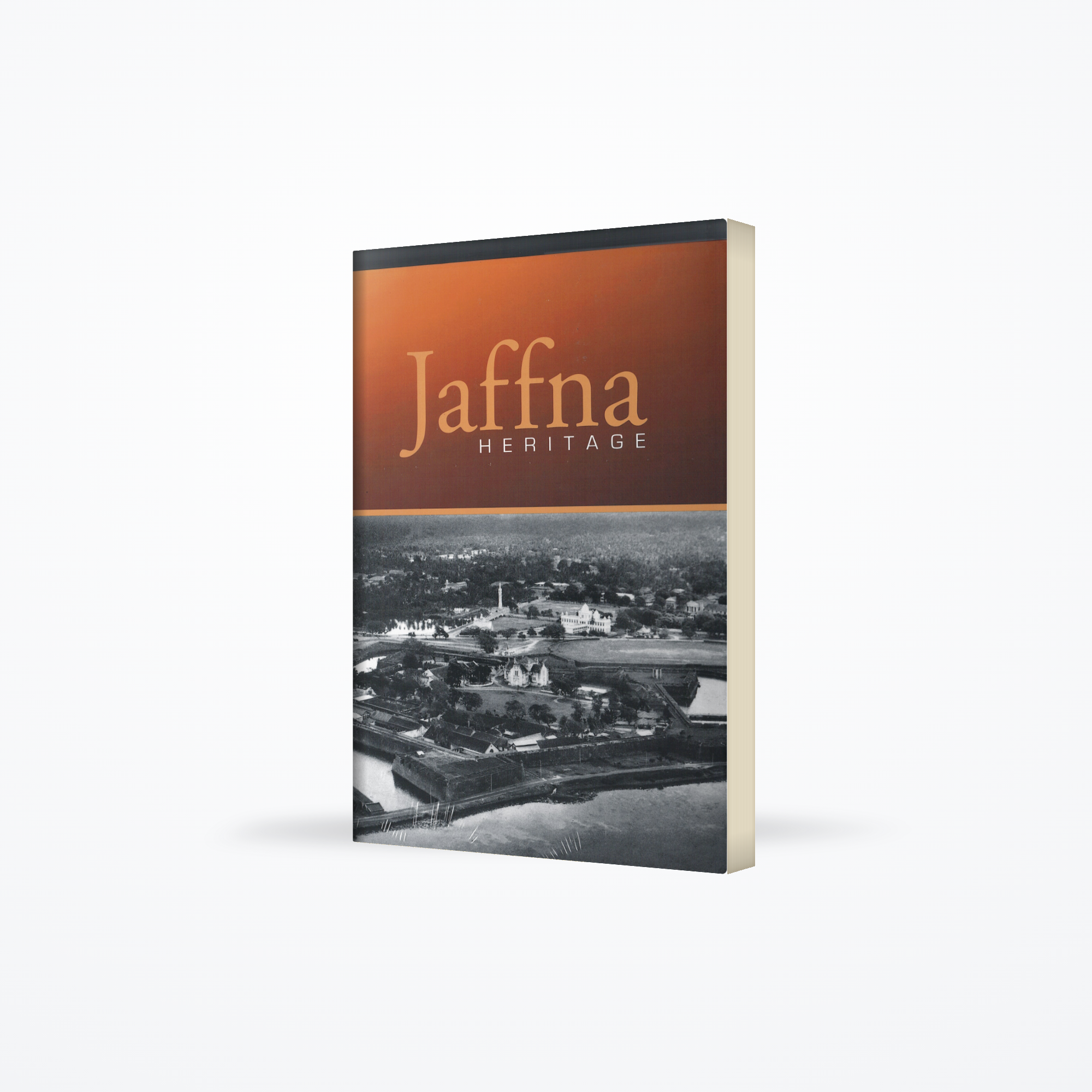
Jaffna in the Northern Province holds a distinctly Tamil cultural heritage that complements the predominantly Sinhalese Buddhist sites of the Cultural Triangle. Nallur Kandaswamy Kovil is the most important Hindu temple in Sri Lanka, with a 25-day festival that draws devotees from across the diaspora. Jaffna Fort — built by the Portuguese, expanded by the Dutch, and used through successive administrations — is one of the largest and best-preserved colonial forts in South Asia. The peninsula's causeway-linked islands, Dutch colonial churches, and traditional crafts (palmyra weaving, traditional medicine) round out a visit that typically takes two to three days.
How does colonial heritage fit into a Sri Lanka tour?
Portuguese, Dutch, and British occupation between the 16th and 20th centuries layered a second stratum of heritage onto Sri Lanka's ancient foundations. The Dutch legacy is especially legible in Galle Fort and in Negombo, where the Dutch Fort Negombo and canal system reflect a mercantile past. British influence shaped the tea highlands — a Bluefield Tea Gardens visit or a ride on the hill-country railway offers a tangible sense of plantation-era life that persists today. Colombo's Fort district and Pettah bazaar blend all three colonial layers with a modern commercial energy best absorbed on a Colombo City Tour.
When is the best time for a heritage tour in Sri Lanka?
The Cultural Triangle and the north are most comfortable from November through April, when the northeast monsoon has passed and the dry weather keeps dust and heat manageable. The south and southwest (Galle, Colombo) are best visited between November and April as well, coinciding with the retreat of the southwest monsoon. Kandy's Esala Perahera, typically held in July or August, is a compelling reason to time a visit around the central highlands' intermonsoon period, though brief afternoon showers are common. Avoid peak school-holiday periods in December and August if you prefer smaller crowds at Sigiriya and Dambulla.
What should I know before visiting ancient sites in Sri Lanka?
- Dress code: Shoulders and knees must be covered at all active religious sites, including the Temple of the Tooth and cave temples. Carry a sarong or light scarf.
- Footwear: Shoes must be removed at religious monuments. Slip-on footwear saves time across multiple sites in a day.
- Entry fees: Cultural Triangle sites charge separate fees per site. A combined ticket (Cultural Triangle Round Ticket) covers the main Anuradhapura, Polonnaruwa, Sigiriya, Dambulla, and Kandy sites and offers value over purchasing individually.
- Guides: Licensed Archaeological Department guides at each site provide context that signage alone does not convey. Arranging a single expert guide through your DMC ensures continuity of interpretation across the whole itinerary.
- Photography: Flash photography is prohibited inside cave temples to protect murals. Drone permits require advance approval from the Civil Aviation Authority.
How does Lakpura arrange heritage tours?
Lakpura designs heritage itineraries as private, chauffeured journeys rather than group coach trips, allowing flexibility to linger at sites that interest you and skip those that do not. Accommodation is matched to the heritage theme where possible — colonial-era bungalows in Kandy, boutique guesthouses within Galle Fort, or nature lodges near archaeological sites. Specialist guides with archaeological or art-history backgrounds can be arranged for guests who want deeper scholarly context. Every itinerary is built around your travel dates, interests, and pace, with a local contact available throughout the journey.
Nearby places
13 places within about 25 km, nearest first.
- Heritageunder 1 km
- Aligala (Elephant Rock)under 1 km
- Kimbissa City1 km
- Ancient Architecture1 km
- Naipena Cave1 km
- Sigiriya Sanctuary1 km
- Sigiriya Village1 km
- Game Drives2 km
- Safari2 km
- Village Life2 km
- Bakamuna3 km
- Arangala4 km
- Kaludiya Pokuna Forest4 km
Related reading
6 pages on closely related subjects.