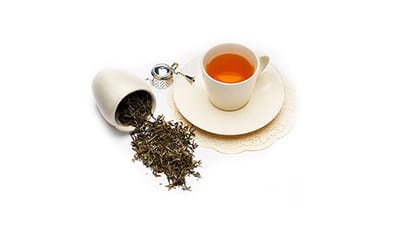
Long before Ceylon tea became the island's defining export, Sri Lankans were brewing something quieter and older: herbal infusions made from the wild and cultivated plants growing in every home garden. Known to the rest of the world as tisanes, these drinks were rooted in Ayurvedic tradition and consumed daily — often alongside a small piece of jaggery to soften any bitterness. Today, as interest in functional beverages grows globally, Sri Lanka's herbal tea heritage is finding a new audience, both among locals rediscovering it and visitors curious to drink something genuinely local.
What is Sri Lankan Herbal Tea?
Strictly speaking, herbal teas contain no Camellia sinensis — the tea plant. They are infusions of dried or fresh flowers, leaves, roots, stems, or bark from medicinal plants. In Sri Lanka, this tradition draws directly from Ayurvedic medicine, which has shaped the country's approach to health and diet for over two thousand years. Most of the plants used grow readily across the island, and many Sri Lankan households still keep a small kitchen garden where several of these herbs are tended year-round.
The flavour profile of Sri Lankan herbal teas tends to be gentler than many Western herbal blends — lightly earthy, occasionally floral, rarely sharp. Served with a sliver of jaggery (unrefined palm sugar), they make a deeply satisfying warm drink at any time of day.
What are the Most Popular Herbal Teas in Sri Lanka?
Ranawara (Cassia auriculata)
Ranawara is probably the most widely consumed herbal tea in Sri Lanka. Made by simmering the dried yellow flowers of the ranawara shrub, it produces a pale golden brew with a mild, slightly earthy taste. It is traditionally taken to cool the body, and Ayurvedic practitioners recommend it for digestive complaints including heartburn, gastric discomfort, and bowel irregularity. In rural areas, a flask of ranawara tea prepared in the morning is still common. Commercially, it is now widely available in tea bags from several Sri Lankan brands.
Beli Mal (Bael Flower) Tea
Bael flower tea, made by steeping the dried flowers of the bael tree (Aegle marmelos), is valued primarily for its protective effect on the digestive system. Traditional use associates it with relief from diarrhea and stomach infections, and more recent research points to notable anti-microbial properties. It is also considered useful in managing inflammation. The flavour is mild and faintly sweet, making it one of the easier herbal teas to drink without sweetening. Fadna's Belimal Herbal Tea and the Deegayu Beli Mal formulation are among the packaged versions available locally.
Iramusu (Hemidesmus indicus)
Iramusu is a climbing plant whose roots, stems, leaves, and flowers are all used in its preparation. The resulting tea is aromatic and mildly earthy, and is prized in Ayurveda for its blood-purifying properties. Regular consumption is traditionally linked to clearer skin, relief from urinary tract discomfort, and improved respiratory health. It is one of the more complex-tasting herbal teas from the island and is commonly sold in both loose and tea-bag form.
Gotukola (Centella asiatica)
Gotukola occupies an interesting position in Sri Lankan food culture: it is simultaneously a salad leaf (eaten raw as a sambol with grated coconut) and a medicinal herb. Gotukola tea, made by steeping dried leaves in hot water, is a relatively recent addition to the tisane repertoire. Research published by institutions including the University of Maryland Medical Center has highlighted its potential for improving circulation and reducing symptoms of venous insufficiency. The active compounds — triterpenoids — are associated with wound healing, reduced anxiety, and improved cognitive function. Gotukola tea is mild, green-tasting, and pairs well with a small amount of honey.
Moringa (Moringa oleifera)
Though native to the Indian subcontinent, moringa has been cultivated in Sri Lanka for centuries. Its leaves are rich in vitamins, minerals, and amino acids, and the dried leaf powder or whole dried leaves make a distinctly green, lightly grassy tea. The plant has attracted significant global attention in recent years as a nutritional supplement. In Sri Lanka it is consumed both as a cooked vegetable (in mallun, a lightly sautéed herb dish) and increasingly as a tea. Moringa combines well with other flavours — peppermint in particular — which is why blended versions such as moringa-peppermint infusions have become popular.
Other Notable Herbal Teas
- Polpala (Aerva lanata): A common garden weed in Sri Lanka, polpala is brewed into a tea used traditionally to support kidney and urinary tract health.
- Lemongrass: Widely grown across the island and used as both a culinary herb and a calming tisane. Its bright citrus note makes it one of the most approachable herbal teas for visitors unfamiliar with the tradition.
- Peppermint: Introduced but now extensively cultivated, peppermint tea is used widely for digestive relief and as a cooling drink.
- Cinnamon: Sri Lanka produces some of the world's finest true cinnamon (Cinnamomum verum), and cinnamon-based herbal teas — made from the bark or bark powder — are valued for blood sugar regulation and their warm, sweet flavour.
- Turmeric: Increasingly blended into herbal infusions for its anti-inflammatory properties, turmeric tea has moved from traditional kitchen use into commercial tea production.
How Do Sri Lankan Herbal Teas Differ from Ayurvedic Medicine?
Herbal teas occupy the gentler, everyday end of Sri Lanka's broader Ayurvedic tradition. Unlike concentrated decoctions or medicated oils prescribed for specific conditions, herbal teas are prepared in mild concentrations and are generally safe for daily consumption by healthy adults. They are preventive rather than curative in emphasis — part of a daily routine designed to keep the body in balance rather than a treatment for acute illness. Visitors interested in the deeper Ayurvedic framework will find dedicated Ayurvedic resorts and spas across the island, particularly in the hill country and the western coastal belt, where physician-supervised treatments are offered.
How Are Sri Lankan Herbal Teas Made at Home?
The traditional preparation is straightforward. Dried plant material — a small handful of flowers, a few grams of root, or a tablespoon of dried leaves — is added to freshly boiled water and left to steep for five to ten minutes. The liquid is then strained and served, often with a small piece of jaggery on the side. Some preparations, particularly root-based teas like iramusu, benefit from a brief simmer rather than a steep. For visitors who want to bring the experience home, commercially prepared tea bags from Sri Lankan brands such as Fadna, Link Natural, Siddhalepa, and Dilmah are widely available and travel well.
Where Can You Try Herbal Tea in Sri Lanka?
Herbal teas appear on menus at Ayurvedic spas, wellness retreats, and an increasing number of cafes and guesthouses across the island. In the hill country — around the tea-growing districts of Nuwara Eliya, Haputale, and Ella — some estates and gardens have begun offering herbal tea tastings alongside their conventional Ceylon tea experiences. Village home-stay programmes, particularly in the cultural triangle and the southern interior, often include a welcome herbal tea as part of the arrival experience, serving it in clay cups with jaggery as it would have been enjoyed for generations.
Are Sri Lankan Herbal Teas Available to Buy?
Yes. The domestic market for packaged herbal teas has grown considerably over the past decade, and a wide range of single-herb and blended formulations is available from pharmacies, supermarkets, and airport shops across Sri Lanka. Several well-known brands — including Fadna, Link Natural, Siddhalepa, Zesta, Impra, and Dilmah's Arana range — produce certified herbal teas packaged to international standards and suitable for export. Lakpura stocks a selection of these products, covering single-origin teas such as ranawara and gotukola as well as blended functional infusions for detox, sleep support, and liver health.