Diplocyclos palmatus is a climbing vine in the Cucurbitaceae family, the same plant family that includes cucumbers, melons and gourds. In Sri Lanka it is known locally as Pasengilla (පසැඟිල්ල) and is recorded as a native species in the island's flora.
What does Diplocyclos palmatus look like?
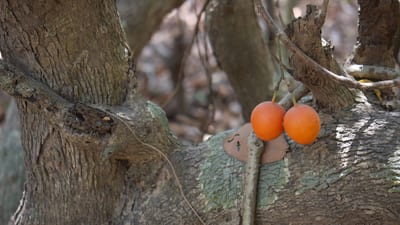
As a member of the Cucurbitaceae, Diplocyclos palmatus shares the family's typical climbing habit, growing with the help of coiling tendrils and palmately lobed leaves. Cucurbit vines of this kind generally produce small, often rounded fruit, and many species in the family display the scrambling, ground- or shrub-covering growth pattern typical of tropical gourds.
Where does Diplocyclos palmatus grow?
The species is native to Sri Lanka. Cucurbitaceae vines of this type are typically found scrambling over other vegetation in warm, tropical conditions, which matches the broad growing conditions found across much of the island's nature and lowland habitats.
What is its conservation status?
Under the National Conservation Status list of Sri Lanka (2012), Diplocyclos palmatus is classified as Least Concerned. This indicates the species is not currently considered at risk within the country.
What is it called in Sinhala and Sanskrit?
In Sinhala, the plant is called Pasengilla (පසැඟිල්ල). In Sanskrit it is known by several names, including Lingini, Shivalingi and Chitraphala.
Can you eat Diplocyclos palmatus?
No edible parts are recorded for this species. It should not be treated as a food plant.
| Attribute | Detail |
|---|---|
| Scientific name | Diplocyclos palmatus |
| Family | Cucurbitaceae |
| Sinhala / local name | Pasengilla (පසැඟිල්ල) |
| Sanskrit name | Lingini, Shivalingi, Chitraphala |
| Status in Sri Lanka | Native |
| Conservation status (NCS 2012) | Least Concerned |
| Edible parts | None |