Church Street runs through the heart of Galle Fort, tracing a path that three colonial powers — Portuguese, Dutch, and British — each left their mark on over more than four centuries. Today it is one of the most intact colonial streetscapes in South Asia, a UNESCO World Heritage precinct where lime-washed walls, shuttered windows, and dressed-granite kerbs sit alongside working cafes, galleries, and small hotels.
What is the history of Church Street in Galle Fort?
The Portuguese established the original fort at Galle in the late 16th century, but it was the Dutch East India Company (VOC) that laid out the street grid still visible today. Church Street took its current form largely in the 17th and 18th centuries, when the VOC constructed administrative buildings and places of worship across the fort. British occupation from 1796 added a further layer — Anglican institutions, administrative offices, and a distinct late-Victorian character — without erasing what the Dutch had built. The result is a rare layered streetscape where architectural periods coexist rather than compete.
What are the main landmarks on Church Street?
Two churches anchor the street and give it its name.
- Dutch Reformed Church (Groote Kerk) — Consecrated in 1755, this is one of the oldest Protestant churches in Sri Lanka still standing in its original form. The building follows the restrained VOC aesthetic: thick whitewashed walls, a high barrel-vaulted nave, and tombstones set into the floor, many belonging to Dutch merchants and officials. The gravestone inscriptions alone are a quiet record of colonial-era Galle society.
- All Saints' Church — Built by the British in the late 19th century, All Saints' is a Gothic Revival Anglican church with pointed arches and coloured glass windows. It remains an active congregation, which means access can be limited during services — check locally before planning a detailed visit.
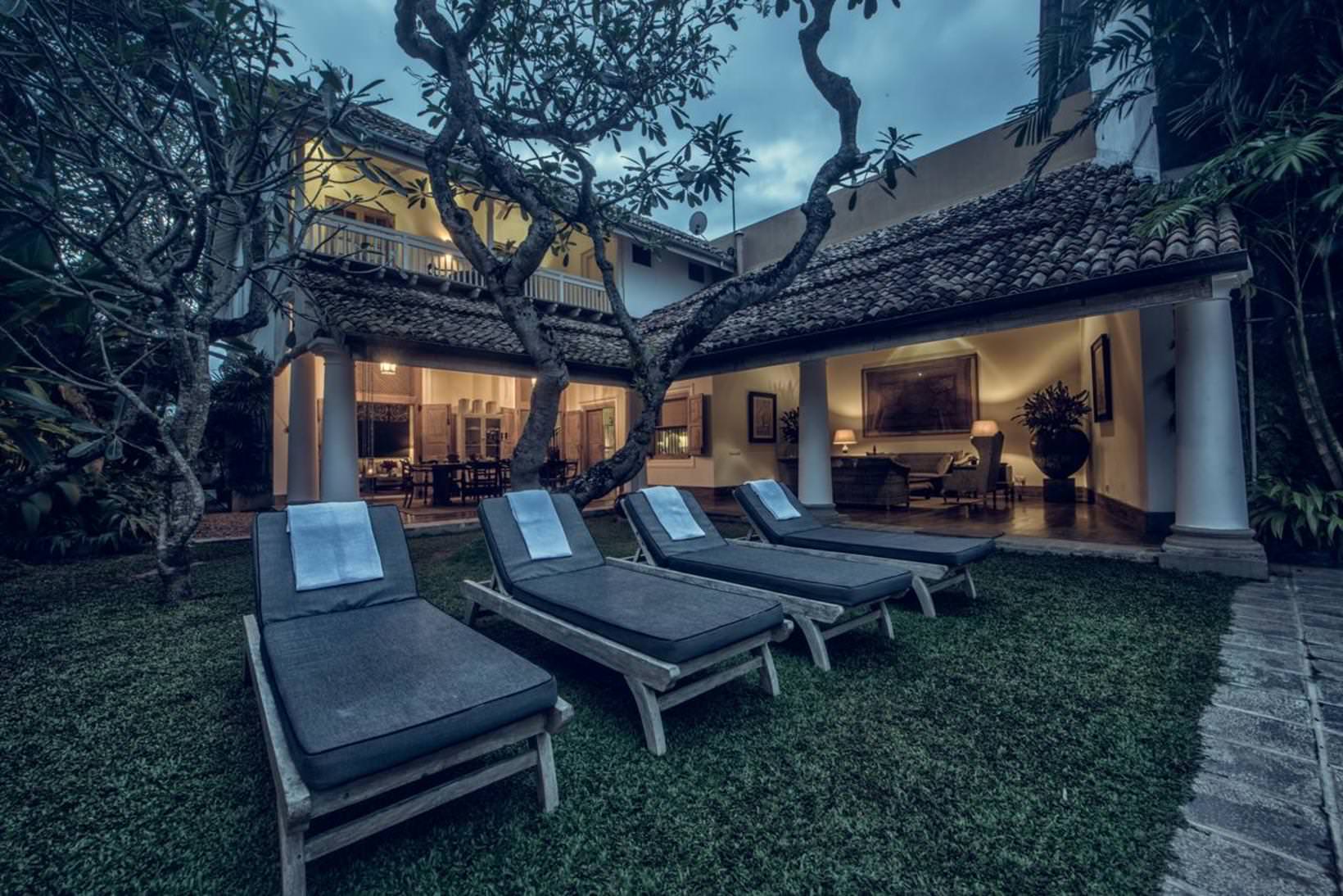
Beyond the churches, the street is lined with two- and three-storey Dutch-period townhouses whose deep verandas and interior courtyards were designed to cope with the tropical climate. Many have been sensitively converted into boutique accommodation, independent restaurants, antique dealers, and studios selling locally made jewellery and textile work.
How does Church Street fit into a Galle Fort walking tour?
Church Street sits roughly in the centre of the fort, making it a natural axis for exploration. From the Dutch Reformed Church end, it is a short walk north to the Galle Fort Ramparts and the lighthouse on the southern tip of the bastion. Walking south from All Saints' Church brings you quickly to the Clock Tower and the old Gate, the main entrance to the fort from the modern town. Most visitors find that Church Street, the ramparts walk, and the museum district can be covered comfortably in two to three hours on foot.
The fort's compact grid means no single attraction is more than ten minutes' walk from another. Sturdy shoes help — the paving is authentic but uneven in places — and early morning or late afternoon visits avoid both the midday heat and the busiest tour-group windows.
What shops and cafes can I find on Church Street?
The commercial character of Church Street has shifted noticeably in the past decade. Antique shops carrying colonial-era brassware, lacework, and Ceylon-period furniture sit alongside contemporary jewellers, art galleries representing Sri Lankan painters and photographers, and a handful of independent bookshops. Cafes and small restaurants occupy converted Dutch-period ground floors, typically offering Sri Lankan short eats alongside espresso coffee — a combination that reflects the fort's dual identity as a living community and a heritage tourism zone.
Browsing is low-pressure by local standards; most shopkeepers are accustomed to visitors who are looking rather than buying. Bargaining is less common here than in Colombo's Pettah market — prices in the gallery-style shops tend to be fixed.
When is the best time to visit Church Street?
Galle Fort is a year-round destination. The southwest monsoon, which typically runs from May through August, brings heavy showers to the southern coast, but the fort's covered verandas make street-level exploration manageable even in wet weather. December through April is the driest and most popular period. The Galle Literary Festival, held in the fort in January, draws significant crowds and can fill accommodation weeks in advance — book early if your dates coincide.
For the quietest experience, visit on a weekday morning between roughly 07:00 and 10:00, before day-trippers arrive from Colombo and Mirissa. The light at that hour is also favourable for photography of the whitewashed facades.
How do I get to Galle Fort from Colombo?
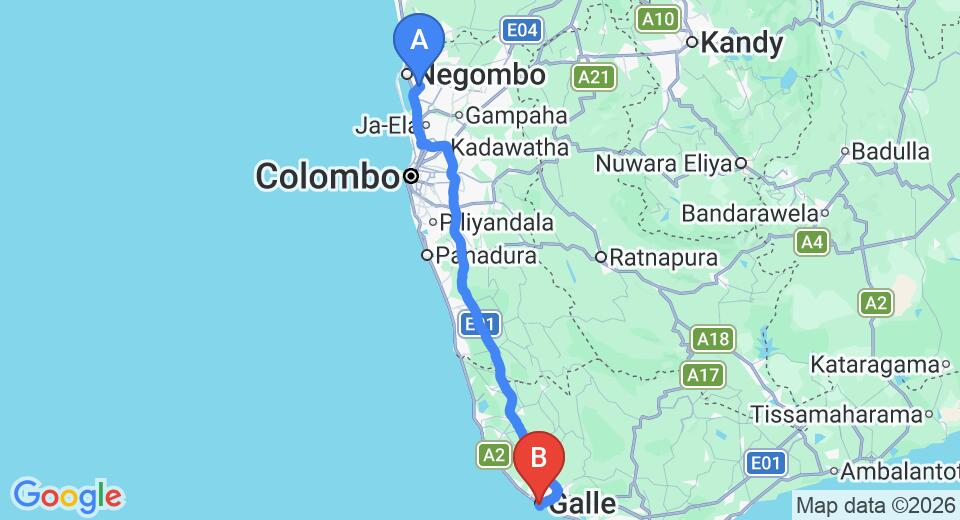
Galle is around 120 km south of Colombo along the Southern Expressway. By private car or taxi the journey typically takes around two hours, depending on traffic through the city. The coastal railway from Colombo Fort station to Galle is a scenic alternative — the journey takes roughly two and a half to three hours and runs close to the shoreline for much of its length. From Galle railway station, the fort entrance is a short three-wheel (tuk-tuk) ride or a manageable walk of around fifteen minutes. Once inside the fort, Church Street is best explored on foot.
Is Galle Fort and Church Street suitable for children?
The flat, walkable streets and the variety of things to look at — carved doorways, naval cannons on the ramparts, sea views — make the fort engaging for older children. The Dutch Reformed Church has interpretive material that can prompt questions about colonial history in an accessible way. Very young children in strollers may find the uneven paving more challenging in places, but most of the main street is navigable.
Nearby places
10 places within about 25 km, nearest first.
- Barbarin Lighthouseunder 1 km
- Galle Clock Towerunder 1 km
- Galle Fort Entranceunder 1 km
- Galle Portunder 1 km
- St Joseph's Chapelunder 1 km
- The Old Dutch Government Houseunder 1 km
- Meeran Mosqueunder 1 km
- Old Dutch Hospital Galle Fortunder 1 km
- Shipwreck Divingunder 1 km
- Sun Bastionunder 1 km