Mace is one of the quieter stars of the spice world: less famous than its twin, nutmeg, yet prized by cooks and food manufacturers alike for the warm, slightly sweet complexity it brings to both sweet and savoury dishes. In Sri Lanka, mace is grown alongside nutmeg in the island's humid low-country regions, making it a natural addition to the portfolio of Ceylon spices that have shaped global cuisine for centuries.
What exactly is mace, and where does it come from?
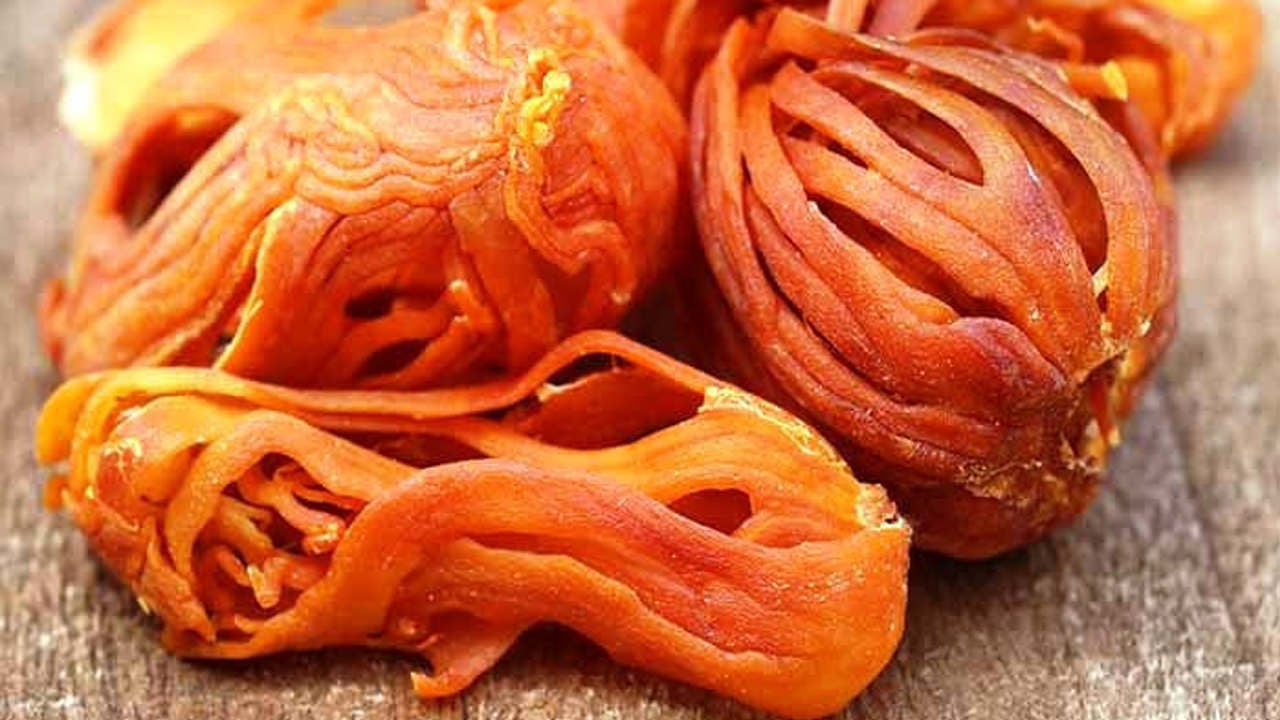
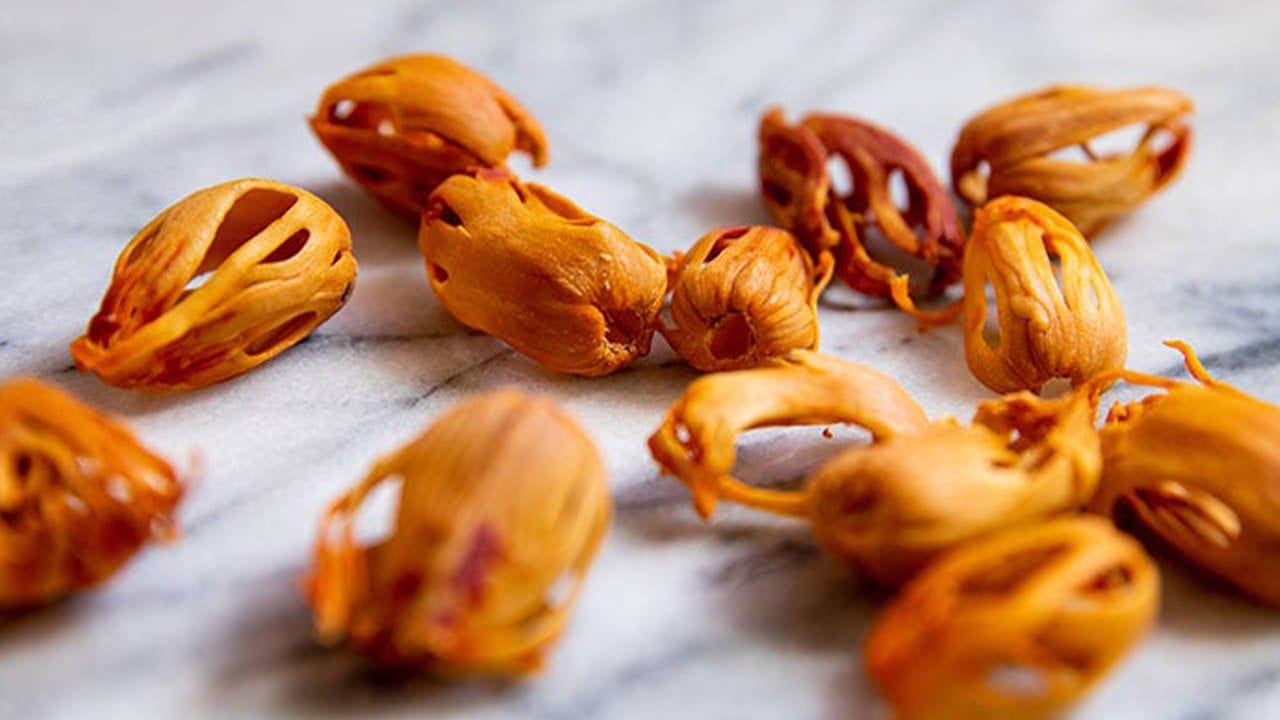
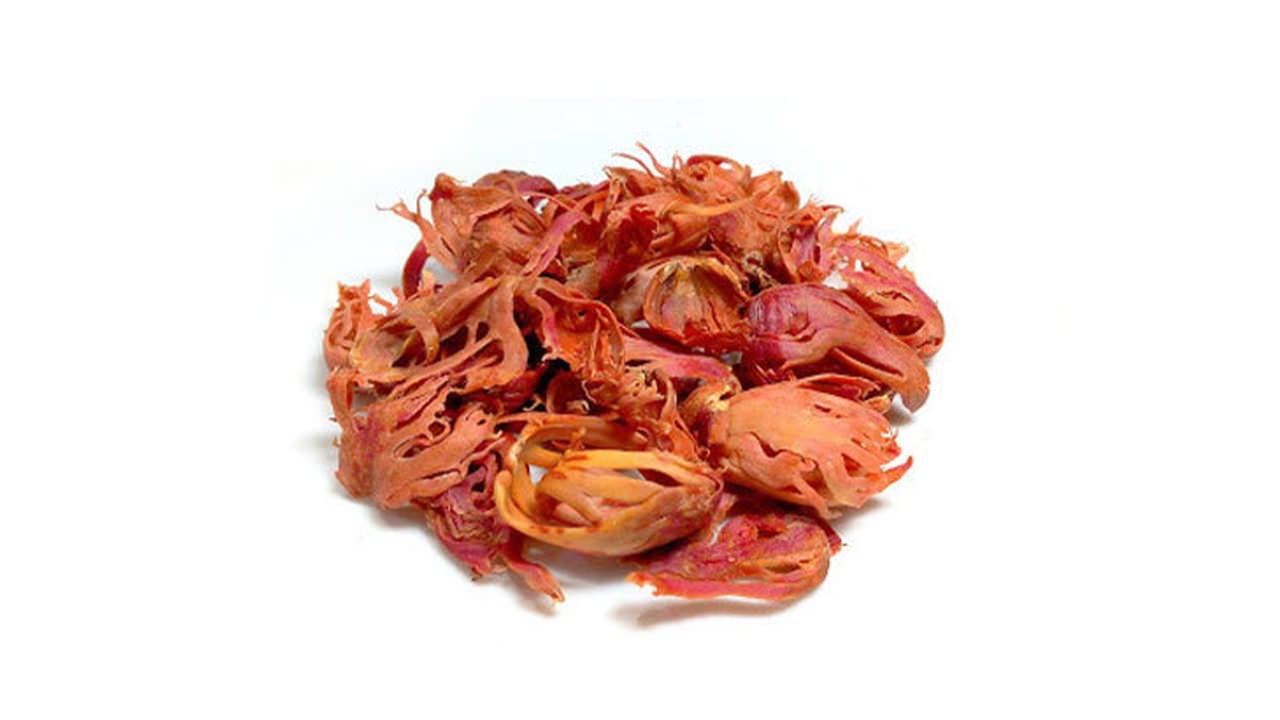
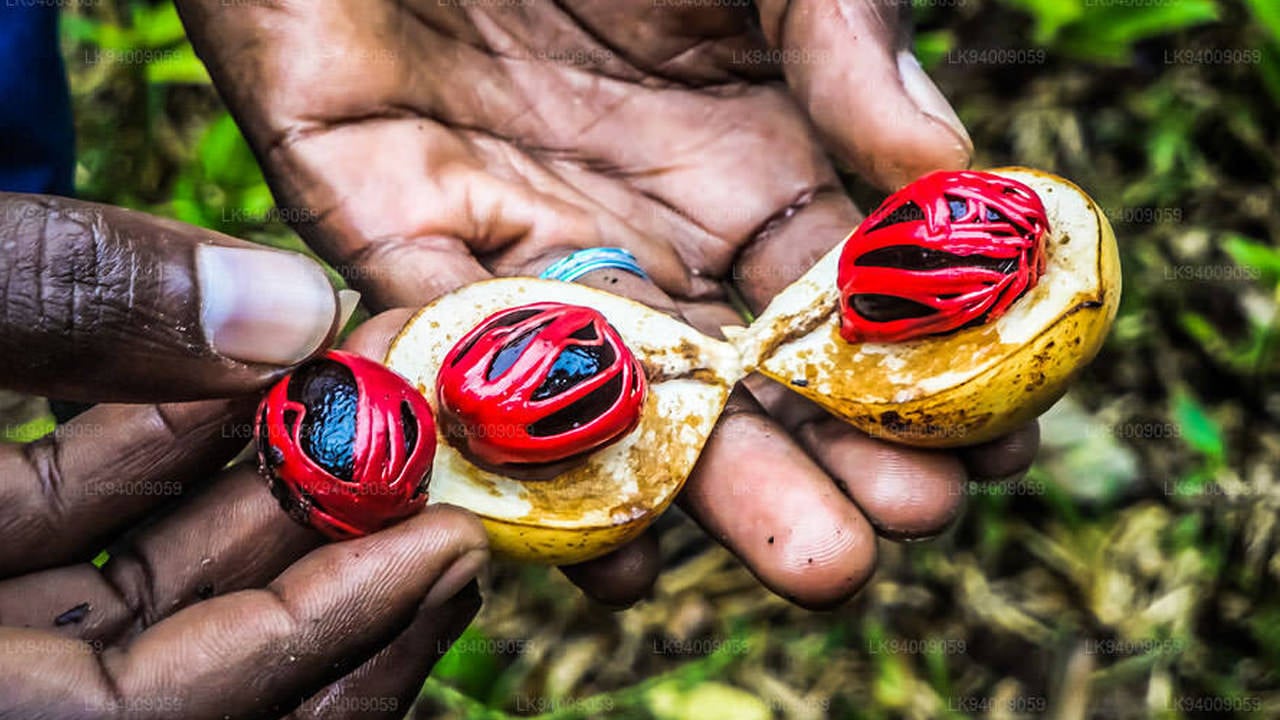
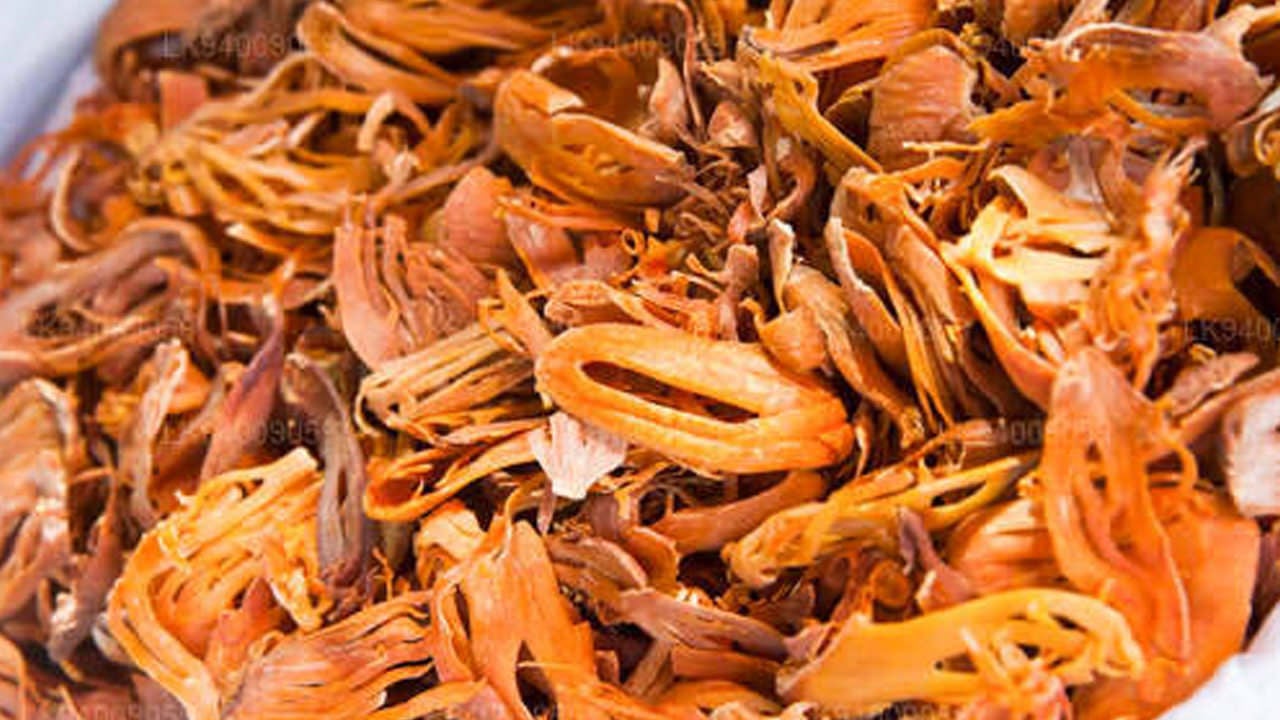
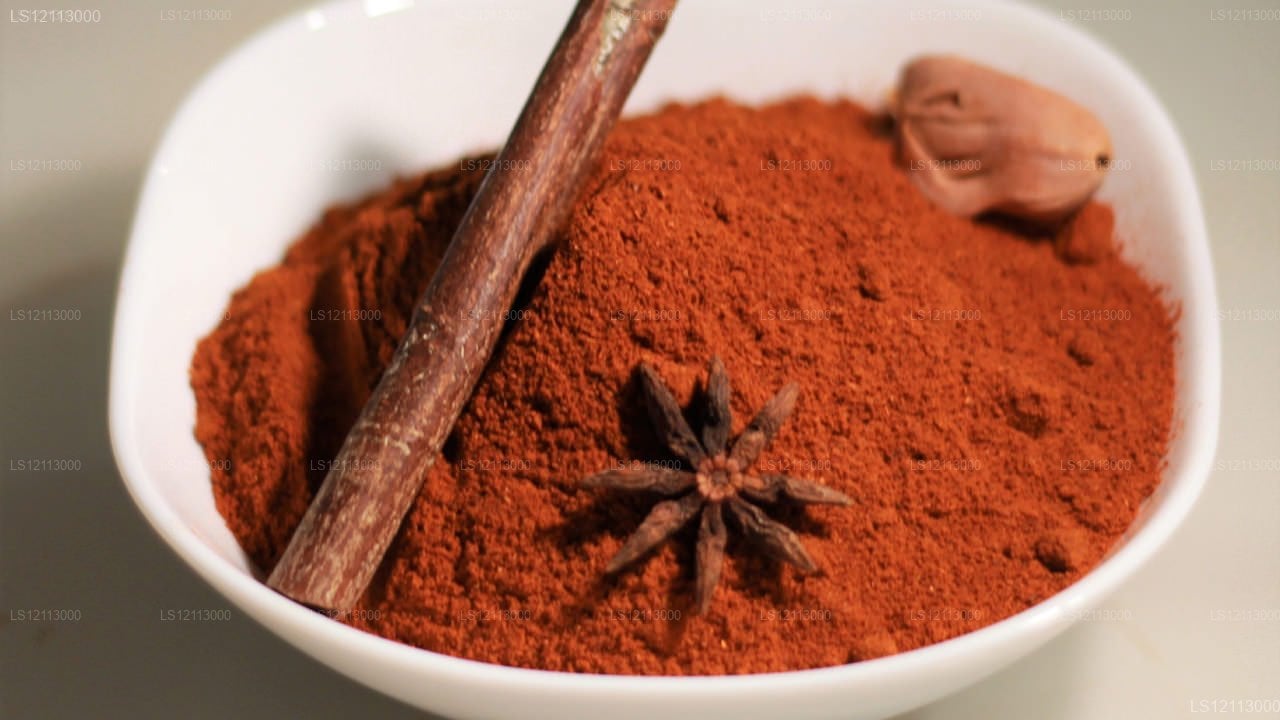
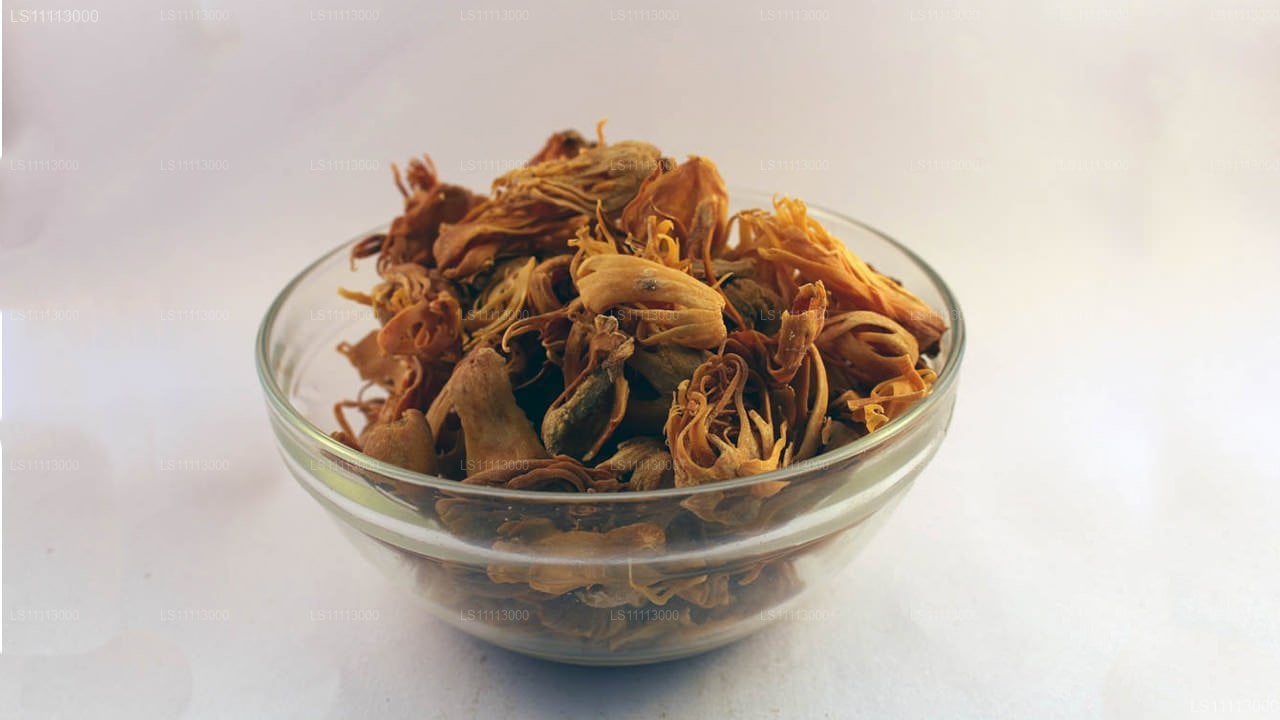
The nutmeg tree (Myristica fragrans) produces a fleshy yellow fruit that, when split open, reveals a hard pit encased in a vivid red or orange net-like membrane called an aril. That aril is mace. Once removed from the seed, it is flattened and dried — turning a pale yellowish-brown — and sold either as whole dried pieces known as mace blades or ground into a fine powder.
The spice is native to the Banda Islands (the historical Spice Islands of eastern Indonesia), but nutmeg cultivation spread across tropical Asia centuries ago. Sri Lanka's warm, humid climate in the south-western lowlands suits the tree well, and locally grown mace carries the same aromatic character as its Indonesian counterpart, with a flavour profile that sits between nutmeg and cinnamon — warm, slightly sweet, and mildly peppery.
How does mace differ from nutmeg?
Because mace and nutmeg come from the same fruit, they share many of the same volatile oils and flavour compounds. The key difference is intensity and top notes: mace is generally considered more delicate and slightly more floral than nutmeg, with a cleaner finish. Whole mace blades also release their flavour more gradually than ground nutmeg, which makes them useful for infusions and slow-cooked sauces where a subtle background warmth is preferred over a direct hit of spice.
In practical terms, mace can substitute for nutmeg in most recipes, though you may find you need a touch more of it to achieve the same depth. It can also stand in for cinnamon in spice blends where a warmer, less sweet note is welcome — a useful trick in savoury cooking.
What are the main culinary uses of mace?
Mace is genuinely versatile, appearing in kitchens across Europe, South Asia, and the Middle East. Its applications fall into a few broad categories:
- Baked goods and desserts: Pies, custards, puddings, cookies, cakes, and pastries all benefit from a small amount of ground mace. It adds warmth without the sharpness that too much nutmeg can introduce.
- Beverages: Mace is a traditional ingredient in mulled wine, egg-based drinks like eggnog, and warm spiced punch. It pairs well with milk-based beverages because its oils emulsify readily into fat.
- Savoury dishes: Soups, cream sauces, and béchamel-style preparations frequently call for a blade of mace added during cooking and removed before serving. It also complements lamb, fish, and poultry dishes.
- Processed foods: Food manufacturers use mace in a range of products including sausages, frankfurters, and certain confections, where its consistent flavour profile is valued at scale.
- Spice blends: Ground mace appears in ras el hanout, some curry powder formulations, and various European pickling spice mixes.
Whole mace blades are best suited to slow infusions — drop one into a béchamel, a poaching liquid, or a pot of rice pudding, and remove it before serving. Ground mace, by contrast, integrates directly into batters, doughs, and dry rubs. Both forms store well in an airtight container away from direct light, though ground mace loses its potency more quickly than blades.
How is Ceylon mace produced and graded?
After the outer fruit of the nutmeg is harvested — the flesh itself is edible and sometimes made into preserves or juice locally — the aril is carefully peeled away from the seed by hand. It arrives fresh as a bright orange-red membrane, which is then dried in the open air or under gentle heat. As moisture leaves the aril, it shifts to the characteristic yellowish-brown of commercial mace and becomes brittle enough to pack as blades or mill into powder.
Quality is assessed by colour (a deep golden-amber indicates careful drying), moisture content, and the absence of off-notes. Sri Lankan mace exported under the Ceylon brand is typically subject to the quality standards maintained by the Sri Lanka Export Development Board, which helps ensure consistency for international buyers.
What are the traditional and medicinal uses of mace?
In Ayurvedic practice, mace has historically been used as a digestive aid and to address mild nausea. It appears in several classical formulations alongside other warming spices. Modern food science has identified the presence of compounds such as myristicin and elemicin in mace's essential oil, though formal clinical evidence for therapeutic applications in humans remains limited. As with most spices, mace is generally considered safe in culinary quantities.
In Sri Lankan traditional cooking, mace appears less prominently than in South Indian or European recipes — local spice culture often favours cloves and cinnamon — but it does appear in some regional spice pastes and rice dishes, particularly those influenced by Malay and Dutch colonial culinary traditions.
How should I buy and store Ceylon mace?
When buying whole mace blades, look for pieces that are unbroken, uniformly golden-amber in colour, and strongly aromatic when held close. Pale, brittle blades with little scent have typically been stored too long or exposed to moisture. Ground mace should smell warm and spicy, not musty.
Store both forms in a sealed glass jar in a cool, dark cupboard. Whole blades retain full flavour for around two years; ground mace is best used within six to twelve months. Freezing is not generally recommended, as condensation can degrade the essential oils on thawing.
Lakpura sources Ceylon mace directly from local producers and offers it in both blade and ground powder forms, making it straightforward to order as part of a wider selection of Sri Lankan spices and pantry goods.
How does Ceylon mace fit into Sri Lanka's spice heritage?
Sri Lanka has been a spice-trading hub for well over two thousand years, with Arab, Chinese, Portuguese, Dutch, and British traders all drawn to the island's produce at different points in history. Cinnamon is the flagship spice — Sri Lanka remains the world's leading source of true cinnamon — but the spice gardens of Galle, Matara, and Kalutara districts also produce nutmeg and mace, pepper, cardamom, and cloves.
Visiting a working spice garden in the Southern or Sabaragamuwa provinces is one of the more tactile ways to understand where these ingredients come from. Many gardens offer guided walks where visitors can see nutmeg fruits still on the tree, smell fresh mace before it dries, and compare the raw and processed forms of a dozen spices side by side. Lakpura can include a spice garden visit in a wider southern itinerary.
Related reading
2 pages on closely related subjects.