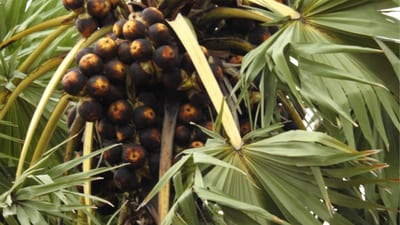
Calamus rotang, commonly known as Cane, is a climbing palm native to Sri Lanka. It belongs to the family Arecaceae, the palm family, which includes many of the island's climbing and clustering canes alongside familiar tree palms such as coconut.
What does Calamus rotang look like?
Like other members of its genus, Calamus rotang is a spiny, climbing palm rather than an upright tree. Rattan palms of this genus typically scramble through surrounding vegetation using hooked spines on their leaves or stems to climb toward the light, producing the long, flexible stems that give the plant its common name, Cane.
Where does Calamus rotang grow in Sri Lanka?
The species is recorded as native to Sri Lanka. Rattans of this type are generally associated with humid forest habitats, where their climbing habit lets them reach the forest canopy by growing through host trees and shrubs.
What is its conservation status?
Under the National Conservation Status list of Sri Lanka (2012), Calamus rotang is assessed as Near Threatened (NT). This designation indicates the species does not currently qualify as threatened but is close to meeting the criteria, or may do so in the near future.
What is it called in Sinhala and Sanskrit?
In Sanskrit, the species is known as Vetra. The English common name in use is Cane, reflecting the traditional use of rattan stems for weaving and construction across South Asia.
Can you eat Calamus rotang?
No edible parts are recorded for this species.
| Attribute | Detail |
|---|---|
| Scientific name | Calamus rotang |
| Family | Arecaceae |
| English name | Cane |
| Sanskrit name | Vetra |
| Status in Sri Lanka | Native |
| Conservation status | NT (National Conservation Status list of Sri Lanka, 2012) |
| Edible parts | None |
Other species in this genus
4 more, sharing the same genus.