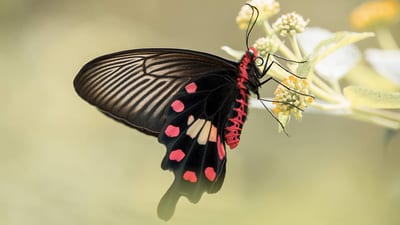
Sri Lanka harbours an impressive variety of butterfly species relative to its size, making it one of South Asia's more rewarding destinations for lepidopterists and nature enthusiasts alike. From the lowland rainforests of the wet zone to the montane grasslands of the central highlands, the island's varied habitats support an extraordinary range of species — from common emigrants and jezebels to rare endemics found nowhere else on earth.
What Makes Sri Lanka Special for Butterfly Watching?
The island's position at the southern tip of the Indian subcontinent, combined with its diverse elevation gradient — from sea level to over 2,500 metres — creates a mosaic of microclimates that different butterfly species exploit in different ways. Sri Lanka is one of the few places in the world where a documented internal butterfly migration has been observed and recorded by international naturalists.
This migration, sometimes called the "butterfly pilgrimage of Sri Pada (Adams Peak)", involves large numbers of butterflies moving across the landscape in the direction of the sacred mountain. Though the phenomenon still occurs, the scale has diminished noticeably over recent decades, making it all the more important to witness while conditions still permit.
Where Are the Best Places to Watch Butterflies in Sri Lanka?
The choice of location depends on which species you are hoping to observe and what time of year you visit. The following sites consistently produce the highest species counts:
- Sinharaja Forest Reserve — Sri Lanka's most biodiverse patch of lowland rainforest is a stronghold for wet-zone endemics. The forest understorey and edges along the trail network are productive at almost any time of day. The Sinharaja Forest Reserve receives protection as both a UNESCO World Heritage Site and a Biosphere Reserve, so habitat quality remains relatively high.
- Horton Plains National Park — At around 2,100 metres, the montane grasslands and cloud forest patches here support a distinct set of highland species, including the Ceylon Tree Nymph and several grass yellows. Early morning, before clouds build, is the most productive time. The park is explored on foot, which makes close observation straightforward.
- Udawalawe National Park — The scrub-forest edges and grasslands around the Udawalawe National Park reservoir attract open-country species year-round, particularly emigrants, grass blues, and various skippers. Combining butterfly watching with the park's elephant population makes for a full day in the field.
- Makandawa Rainforest (Kithulgala) — The riverine forest along the Kelani River supports a productive butterfly community. The Makandawa Rainforest is accessible from Colombo in roughly two hours and is increasingly popular with naturalists.
- Wilpattu National Park — The dry-zone Wilpattu National Park has a different butterfly fauna from the wet zone, with dry-season specialists emerging after the rains. The park's natural lakes, known as villus, attract moisture-seeking species along their margins.
- Adams Peak (Sri Pada) Trail — For those interested in the historical migration rather than peak species counts, the pilgrimage trail on the approach to the summit remains the most evocative location. The migration is most frequently observed during the northeast monsoon transition period.
How Many Butterfly Species Does Sri Lanka Have?
Sri Lanka is recorded as home to around 245 butterfly species, of which approximately 26 are considered endemic — found nowhere else in the world. The endemic species include several jewels such as the Ceylon Tree Nymph (Idea iasonia), the Ceylon Birdwing (Troides darsius), the Sri Lanka Bush Brown (Mycalesis rama), and the Ceylon Rose (Pachliopta jophon). Many of these endemics are restricted to the wet-zone forests of the south and the central highlands, which reinforces why habitat protection in these areas is critical.
When Is the Best Time to Watch Butterflies in Sri Lanka?
Butterfly activity peaks during and immediately after periods of rainfall, when flowering plants are most abundant and nectar sources most accessible. In practical terms:
- February to April — Dry, warm conditions in the lowlands bring many species to flower-rich roadsides and forest edges. This is considered one of the prime windows for wet-zone sites.
- August to October — The inter-monsoon period sees activity across both wet and dry zones. This is also when the Adams Peak migration phenomenon is most frequently documented.
- November to January — The northeast monsoon brings rain to the dry zone and north, dampening activity there but often triggering good emergence in sheltered wet-zone forest.
In the highlands, activity follows the sun rather than seasons — clear mornings between roughly 8am and 11am consistently produce the most sightings regardless of month.
Why Are Sri Lanka's Butterfly Populations Under Pressure?
Decades of forest clearance for plantation agriculture — particularly Ceylon tea and, historically, coffee — have fragmented the lowland and montane habitats that butterfly communities depend on. This process continues in some areas as human settlement expands into formerly forested land.
Beyond habitat loss, the intensive use of agrochemicals across plantation and smallholder farming landscapes alters the botanical composition of forest edges, reduces host-plant availability, and contaminates the water sources that many species require for puddling. Specialist species with narrow host-plant requirements or specific microhabitat needs — such as particular light intensities on the forest floor — are disproportionately affected. Several of the rarer endemic species are now found only in protected reserves, underlining the importance of conservation areas for their long-term survival.
Responsible tourism, including guided butterfly-watching excursions that support local naturalists and lodge owners in forested areas, is one practical mechanism through which visitor spending can create economic incentives to retain habitat.
How to Get the Most from a Butterfly-Watching Visit
A few practical considerations significantly improve the quality of any butterfly outing in Sri Lanka:
- Go with a specialist guide. Many butterfly species are fast-flying and cryptically marked when at rest. A guide with local knowledge of species, flight periods, and reliable micro-sites will dramatically increase your encounter rate and identification accuracy.
- Start early. Butterfly activity in the tropics drops sharply once temperatures rise mid-morning. Being in the field by 7am is rarely a mistake.
- Wear neutral colours. Bright clothing can disturb feeding and basking individuals before you get close enough for a good view.
- Carry a field guide. The Illustrated Guide to the Butterflies of Sri Lanka by Himesh Jayasinghe is a reliable reference for species identification in the field.
- Photograph rather than collect. Several endemic species are protected under Sri Lanka's Fauna and Flora Protection Ordinance, and collecting without a permit is illegal.
Can I Combine Butterfly Watching with Other Wildlife Activities?
Sri Lanka's compact geography makes combination itineraries very practical. Sites like Sinharaja and Horton Plains National Park are also excellent for endemic birds, making a single forest walk productive for multiple taxa. The Elephant Transit Home at Udawalawe is frequently visited alongside the national park and can be combined with morning butterfly walks along the park's access roads. For those based near the coast, the wetland margins of Madu Ganga in Balapitiya support a different community of moisture-loving species alongside egrets, kingfishers, and monitor lizards.
Related reading
2 pages on closely related subjects.