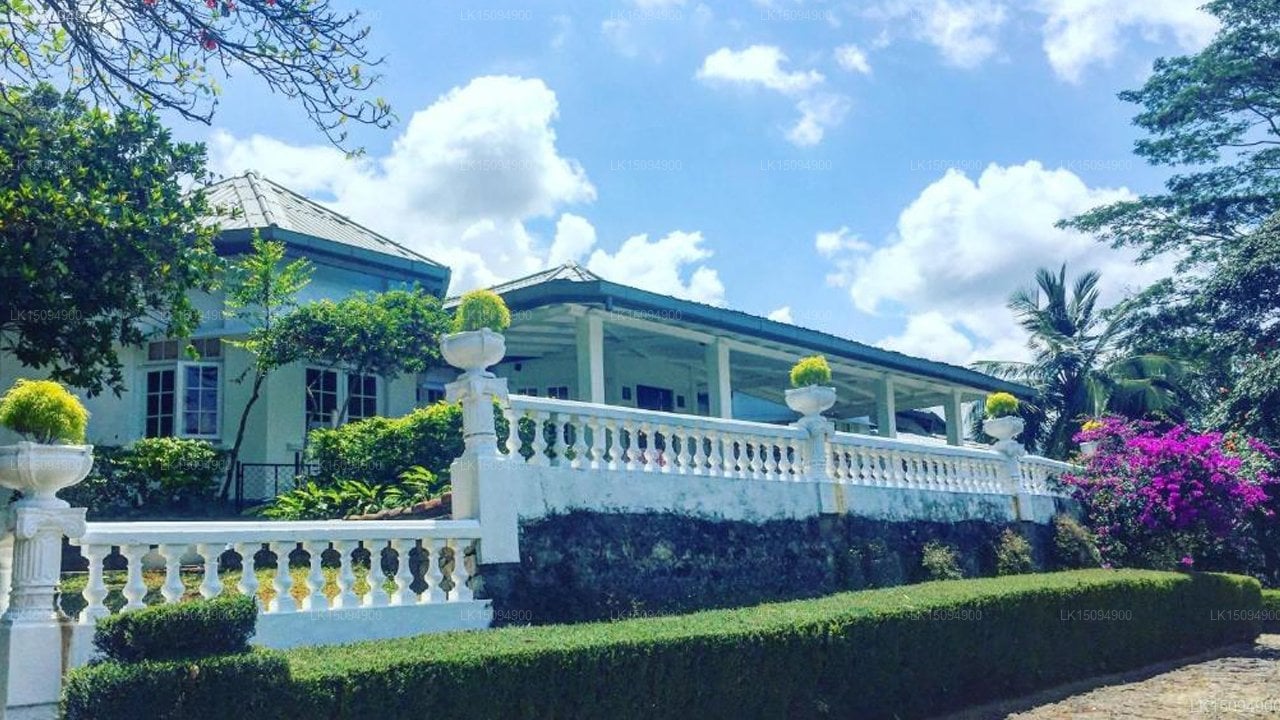
Bearwell Estate sits in the heart of Sri Lanka's central highlands, where cool mist, thin mountain air, and volcanic red soil combine to produce some of the finest high-grown tea on the island. The estate is divided into four working divisions — Bearwell, Belgravia, Fairfield, and Walaha — spread across a combined extent of around 423 hectares. Of that total, approximately 312 hectares are under active tea cultivation, making Bearwell one of the more substantial estates operating in this altitude band.
Where exactly is Bearwell Estate?
The estate occupies a range of elevations between 1,280 metres and 1,600 metres above sea level, placing it squarely in the high-grown category recognised by the Sri Lanka Tea Board. At these altitudes, cooler temperatures slow the growth of the tea plant, concentrating flavour compounds and producing the brisk, bright character that high-grown Ceylon Tea is internationally known for. The on-site factory is positioned at the lower end of the elevation range, at 1,280 metres, allowing freshly plucked leaf to be processed without significant delay.
What makes high-grown tea different?
Tea grown above roughly 1,200 metres experiences a longer period between flush and maturation. That slower growth concentrates polyphenols and aromatic oils in the leaf, yielding a cup with greater brightness, more defined astringency, and a cleaner finish compared with low-grown teas. Bearwell's position — spanning nearly 320 vertical metres within the estate itself — means different divisions can produce leaves with subtly distinct cup profiles, depending on aspect, shade, and microclimate.
The elevation also influences the processing choices made at the factory. High-grown estates typically produce orthodox-style leaf teas that preserve whole or broken leaf structure, allowing the liquor to develop gradually in the cup. The grades produced at a given estate often include BOP (Broken Orange Pekoe), FBOP, and OP (Orange Pekoe) classifications, each suited to different brewing preferences and export markets.
How are the four divisions managed?
Dividing a large estate into named blocks is standard practice in Sri Lanka's plantation industry. Each division — Bearwell, Belgravia, Fairfield, and Walaha — typically has its own field superintendent, plucking teams, and rotation schedule. This structure allows estate managers to maintain plucking standards across varied terrain and ensures that leaf from different elevations or aspects can be tracked through to the factory separately if needed. Rotating plucking rounds every seven to ten days (depending on season and growth rate) is common practice.
- Bearwell division — the namesake block, lending the estate its identity.
- Belgravia division — a name with clear British colonial-era origins, typical of estates planted during the 19th-century tea expansion.
- Fairfield division — likely occupying more open, gently sloping terrain implied by its name.
- Walaha division — a Sinhala-inflected name, suggesting this block may have distinct local geographic character.
What is the history of tea estates in this region?
Sri Lanka's highland tea industry traces its commercial origins to the 1860s and 1870s, when coffee blight devastated the island's earlier plantation economy and British planters pivoted to tea. Estates in the central highlands were cleared, terraced, and planted in rapid succession, with Scottish and English names bestowed on divisions and bungalows that still stand today. Bearwell's four-division structure is a direct legacy of that colonial plantation model, which prioritised scale and systematic field management over small-holder cultivation.
The nearby town of Ella gives a sense of the landscape these early planters worked with — deep gorges, cloud-brushed ridges, and valleys that channel mist upward from the coastal plains below. Estates in this zone benefit from two monsoonal periods each year, each producing a distinct seasonal flush with its own character.
Can visitors tour Bearwell Estate?
Tea estate visits in Sri Lanka's hill country typically include a walk through the plucking fields, a guided tour of the factory floor, and a cupping session comparing different grades. The experience gives genuine insight into how a leaf moves from field to finished product — from hand plucking by estate workers, through withering, rolling, oxidation, and drying, to grading and dispatch. Visitors interested in the broader tea-growing landscape of the highlands can pair a Bearwell visit with a stop at Bluefield Tea Gardens, another working highland estate with visitor facilities.
Nearby, Horton Plains National Park offers a contrast to the managed estate landscape — montane grasslands and cloud forest at similar elevations, protecting the upper catchment that sustains the tea country below.
When is the best time to visit the tea country around Bearwell?
The highland tea country is generally most accessible between December and April, when the southwest monsoon has eased and the central hills experience drier, clearer conditions. January and February typically offer the best visibility across ridges and valleys. The estate itself operates year-round, but the quality and pace of plucking varies by season — the best-quality leaf often comes during the dry inter-monsoon periods when growth slows and concentrates flavour. Morning visits are preferable, as mist tends to lift by mid-morning and field workers are most active in the earlier hours.
How do I get to Bearwell Estate from Colombo or Kandy?
The central highlands are typically reached from Colombo via the A1 highway through Kandy, then onward on the A5 towards Nuwara Eliya. Journey times from Colombo can range from four to six hours by road, depending on traffic through the mountain passes. From Kandy, the drive into the high country takes roughly two to three hours. The scenic train route from Kandy toward Ella passes through the heart of tea country and offers views of working estates on both sides of the track, making it a worthwhile option for those who prefer rail travel. For flexible itinerary planning in the hill country, Lakpura's network of private drivers can arrange direct transfers to estate locations.
| Feature | Detail |
|---|---|
| Total area | 423.41 hectares |
| Tea under cultivation | 312.17 hectares |
| Highest elevation | 1,600 metres |
| Lowest elevation | 1,280 metres |
| Factory elevation | 1,280 metres |
| Divisions | Bearwell, Belgravia, Fairfield, Walaha |
| Tea classification | High-grown Ceylon Tea |
Nearby places
8 places within about 25 km, nearest first.