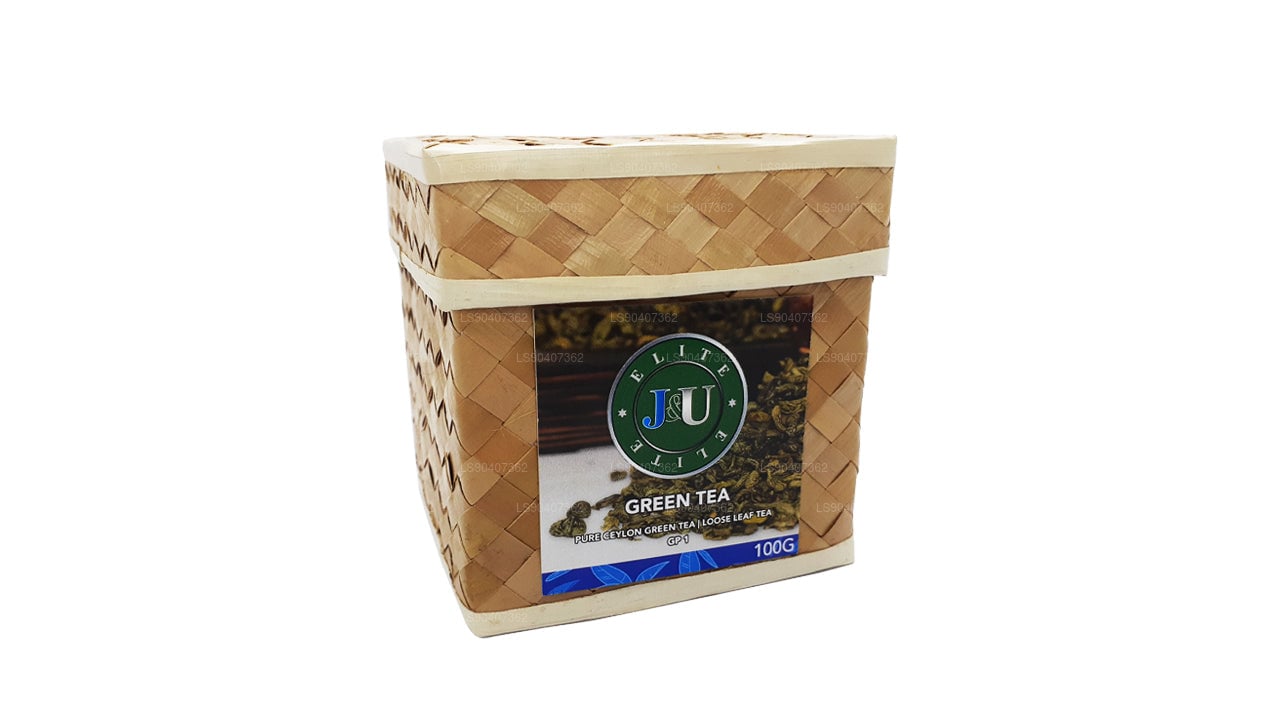
Ceylon tea is the second most consumed beverage on the planet, and yet a surprising number of people brew it incorrectly. Water that is too hot, leaves steeped too long, or reused kettle water can all flatten the nuanced flavours that make Ceylon Tea worth drinking. This guide covers everything you need — equipment, water temperature, steep times, and variety-specific adjustments — so every cup reflects the care that went into growing it.
What equipment do you need to brew Ceylon tea?
Good tea does not require expensive equipment, but it does require clean equipment. Off flavours from a residue-coated teapot or a kettle with mineral deposits will undermine even the finest single-estate leaf.
- Fresh spring water (never pre-boiled or tap water with a strong chlorine note)
- A clean kettle capable of reaching 100°C
- A clean ceramic or glass teapot
- A tea strainer or infuser basket for loose-leaf
- Clean cups and saucers
- A timer — steeping by feel is the most common cause of over-brewed tea
The leaf itself matters most. Whether you choose loose-leaf or teabags, use the freshest stock you can find and store any opened pack in an airtight container away from direct sunlight, strong odours, and heat.
How do you brew Ceylon black tea?
Black tea is the most forgiving of the Ceylon varieties and the one most people encounter first. The key variable is steep time, which shifts the character of the cup from delicate to full-bodied.
- Bring fresh spring water to a full rolling boil (100°C).
- Warm the teapot by rinsing it with a small splash of hot water, then discard.
- Add approximately 2 g of loose-leaf tea — or one teabag — per 200 ml of water.
- Pour the boiling water over the leaves and cover the pot immediately to trap the volatile aromatics.
- Stir gently after one minute to encourage even extraction.
- If drinking straight — perhaps with a thin slice of lemon — strain or remove the bag at the 2-minute mark for a lighter, more floral cup.
- If drinking with milk or a sweetener, leave the leaves for 4 minutes to develop the body and tannin structure that stands up to dairy.
One rule applies universally to premium grades: regional teas, single-estate teas, and limited seasonal harvests should always be drunk without additives. Milk and sugar mask the terroir-driven subtleties — the qualities that justify the leaf's provenance in the first place.
How do you brew Ceylon green tea?
Green tea is more sensitive to heat than black tea. Pouring boiling water directly onto green leaves scorches them, releasing bitter, grassy compounds that obscure the naturally sweet, vegetal character of the brew.
- Bring water to a full boil, then remove the kettle from heat and wait roughly 5 minutes until the temperature drops to around 80°C.
- Add the leaves or teabag to the warmed pot — the same 2 g per 200 ml ratio applies.
- Pour the cooled water over the leaves.
- Steep for 2–3 minutes, stirring once at the halfway point.
- Strain and serve immediately, without additives.
If you do not have a thermometer, a rough guide is that vigorous steam has just stopped rising from the kettle spout by the time the water is near 80°C. For more on the characteristics of the leaf itself, see the Ceylon Green Tea guide.
How do you brew herbal infusions, Silver Tips, and Golden Tips?
Herbal infusions, Silver Tips (unoxidised white buds), and Golden Tips (fully oxidised golden buds) share the same sensitivity to heat as green tea. The buds are small and structurally delicate — boiling water damages the cell walls and releases astringent compounds before the desirable flavours have a chance to develop.
- Allow boiled water to cool to approximately 80°C (about 5 minutes off the boil).
- Add herbs or buds to the pot at the standard ratio.
- Pour the cooled water, cover, and stir after 1 minute.
- Steep for a further 2–4 minutes depending on desired intensity.
- Strain and serve straight — no milk, no sweetener.
Silver Tips in particular are harvested only once a year, typically during the low-grown season, and represent some of the most delicate leaf material Sri Lanka produces. Treating them with lower water temperature and a shorter steep time is the single most important thing you can do to honour the quality of the leaf.
Loose-leaf vs. teabags: does it make a difference?
The brewing method — loose-leaf versus teabag — is largely a matter of convenience rather than a marker of quality. Lakpura's teabags use the same tea grades as their loose-leaf counterparts; the difference is grind size. Teabags typically contain a finer cut, which means they infuse faster and can over-extract more quickly if you lose track of time. The temperature guidelines and variety-specific rules above apply equally to both formats.
Where loose-leaf has a practical edge is in visual feedback: you can see the leaves open and judge the colour of the liquor directly in a clear glass pot. For everyday drinking, a good-quality teabag is a perfectly valid choice.
What are the most important tips for storing Ceylon tea?
Even well-sourced tea deteriorates quickly if stored carelessly. Follow these principles to preserve flavour between cups:
- Airtight container: Transfer any opened packet immediately. Oxygen is the primary driver of staleness.
- Away from light and heat: A kitchen cupboard away from the hob is ideal. Avoid glass jars on windowsills.
- Away from strong odours: Tea is highly absorbent. Storing it near spices or coffee will alter its flavour over time.
- Fresh water every time: Never reboil water that has already been heated. Water loses dissolved oxygen on the second boil, producing a flat-tasting cup.
- Steep for at least 3 minutes: Particularly with premium loose-leaf, a rushed steep does not extract the full range of flavour compounds the leaf contains.
Quick reference: temperature and steep times by type
| Tea Type | Water Temperature | Steep Time (straight) | Steep Time (with milk/sweetener) | Additives |
|---|---|---|---|---|
| Black Tea | 100°C | 2 minutes | 4 minutes | Lemon, milk, or sweetener (not on rare grades) |
| Green Tea | ~80°C | 2–3 minutes | — | Straight only |
| Silver Tips / Golden Tips | ~80°C | 2–4 minutes | — | Straight only |
| Herbal Infusions | ~80°C | 2–4 minutes | — | Straight only |
Why does water quality matter so much for tea?
Water makes up more than 98% of a brewed cup, so its mineral composition directly shapes the final flavour. Soft spring water with a low mineral content allows the tea's own character to come through clearly. Hard tap water, particularly water high in calcium carbonate, can create a chalky film on the surface of the cup and dull the brightness of the liquor. If your local tap water is heavily treated or noticeably hard, filtered or bottled spring water will produce a noticeably cleaner cup — especially with delicate varieties like green tea, Silver Tips, or high-grown single-estate blacks.
Related reading
7 pages on closely related subjects.