Yati Ella Thota is a quiet river ford tucked into the hills surrounding Ella, in Sri Lanka's Uva Province. The name translates loosely as "lower Ella ford" — thota meaning a river crossing or landing point in Sinhala — and the spot has long served as a practical crossing for villagers moving between upland tea estates and the valleys below. Today it draws travellers who prefer unhurried, off-the-beaten-path exploration to the more visited waterfalls and viewpoints clustered around Ella town.
What is Yati Ella Thota?
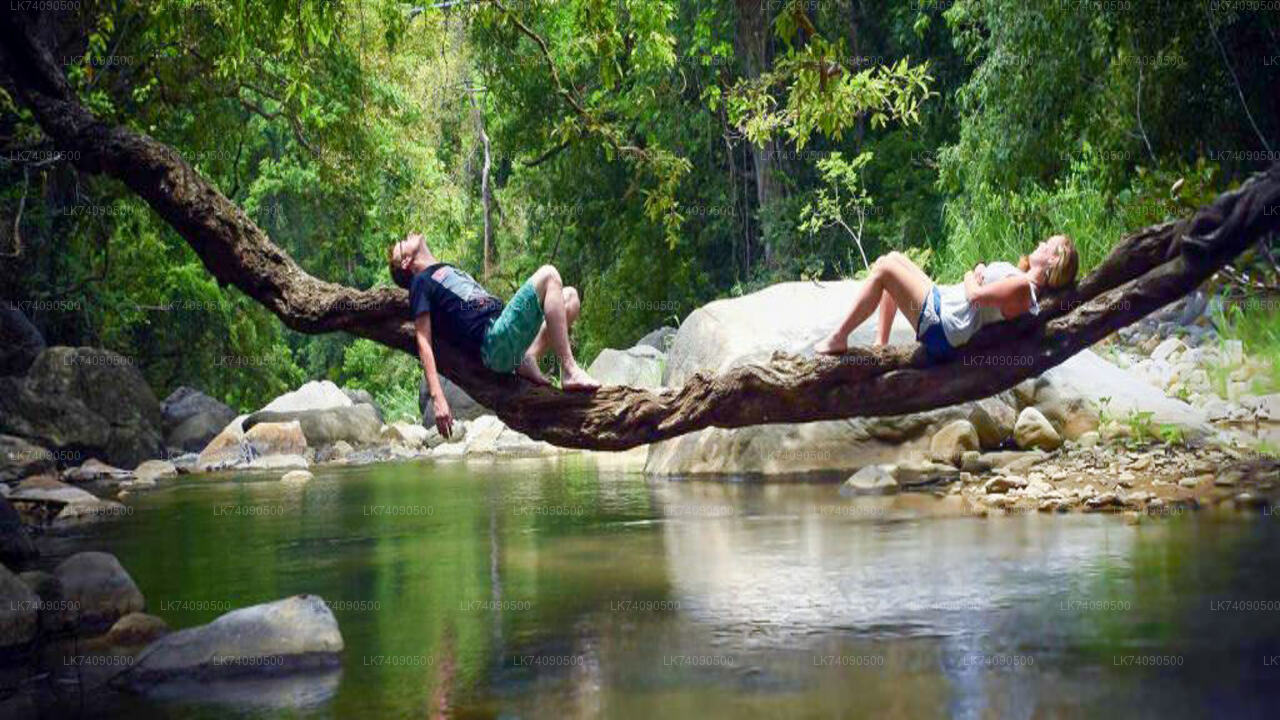
The site is essentially a shallow, rocky stretch of the stream that drains the Ella ridge, where the water spreads wide and the current slows enough to wade across in the dry season. Surrounding it are patches of secondary forest, small cardamom gardens, and the stepped terraces of paddy cultivation that define upland Uva. The ford itself is not a dramatic waterfall or a heritage monument — its appeal is in the landscape context: clean hill air, birdsong, and an almost complete absence of tourist infrastructure.
Local villagers still use the crossing for farm access, which gives visitors a rare chance to observe everyday highland life rather than a curated experience.
How do I get to Yati Ella Thota from Ella town?
The ford lies a short distance from Ella town, reachable on foot along a rural track or by tuk-tuk for the first stretch of road. The path crosses tea smallholdings and passes a handful of homesteads, so asking a local for directions at the start of the walk is advisable — signage is minimal. Allow roughly 30 to 45 minutes on foot from the centre of Ella each way, depending on your pace and the route taken.
The track is unpaved and can become slippery after rain, so sturdy footwear is recommended. A private driver can drop you at the nearest road-end and wait while you explore.
When is the best time to visit Yati Ella Thota?
The Uva Province experiences its driest and clearest weather between July and September, and again briefly between January and March. During these windows the stream at the ford runs lower, making the crossing easy and the surrounding footpaths dry underfoot. The scenery can be equally rewarding during the inter-monsoon months — lush and intensely green — but the paths become muddier and the water level rises.
Early morning visits are ideal: the light is soft, temperatures are cool, and you are likely to have the ford almost entirely to yourself before mid-morning farm activity begins.
What wildlife and nature can I see around Yati Ella Thota?
The stream corridor supports a modest but interesting assemblage of birds, including kingfishers, pond herons, and various warblers that move through the tea-estate margins. Sri Lanka's endemic species richness extends even into disturbed habitats like this, so birdwatchers carrying binoculars are rarely disappointed. The forest fragments nearby shelter monitor lizards and, occasionally, the small-clawed otter along quieter stretches of the waterway.
The Sinharaja Forest Reserve and Horton Plains National Park are both within a half-day's drive for travellers wanting more intensive wildlife experiences after a morning at the ford.
What else can I combine with a visit to Yati Ella Thota?
The location close to Ella means there are several complementary stops worth building into the same day. The area around Ella is laced with hiking routes, tea estates, and small waterfalls. Cycling through the tea fields is a popular way to extend a morning walk, covering more ground while staying at a pace that allows you to take in the landscape.
- Tea estate walks: The slopes above Ella are planted with tea bushes; plucking demonstrations are often available at smaller family estates along the paths toward the ford.
- Paddy field observation: The valley floor below the ford reveals the classic paddy terrace landscape — most active during planting (Yala season, around May) and harvest.
- Ella town: A short return to town gives access to cafes, the famous Nine Arches Bridge viewpoint, and the Ella railway station for one of Sri Lanka's most scenic train rides.
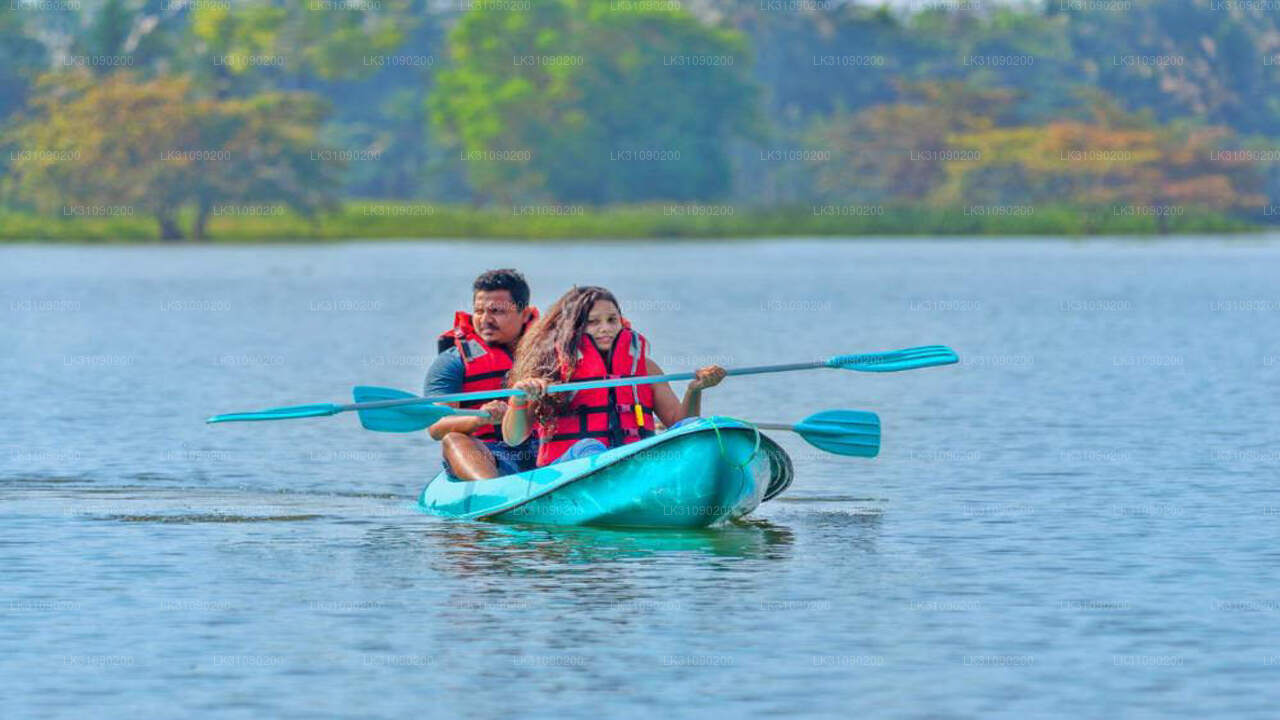
- Kayaking nearby: For those wanting water-based activity with more structure, kayaking at Hadapanagala Reservoir, accessible from Ella, offers a guided lake experience.
Is Yati Ella Thota suitable for families and first-time visitors to Sri Lanka?
The walk is gentle enough for reasonably fit adults and older children, though the uneven terrain near the ford is not suitable for pushchairs or wheelchairs. There are no facilities — no toilets, no food stalls, and no ticket office — so bring water and any snacks you need from Ella town before setting out. First-time visitors to Sri Lanka who prefer guided excursions will find that a local guide adds considerable value, pointing out plants, birds, and cultural details that are easy to miss on a self-guided walk.
The site's informality is part of its character. Unlike the heavily visited attractions around Ella, arriving at Yati Ella Thota feels genuinely exploratory — a quality that experienced travellers often rate highly.
Practical tips for visiting Yati Ella Thota
- Wear closed-toe shoes with grip; sandals are inadequate on wet rock.
- Carry at least one litre of water per person — there are no vendors on the route.
- A basic knowledge of Sinhala directions (passe, dakune, vame — straight, right, left) helps when asking locals for guidance.
- Do not cross the ford if the water is visibly turbid or flowing fast after heavy rain; upland streams can rise quickly.
- Leave no litter — the site's appeal depends on it remaining clean and undisturbed.
- A tuk-tuk from Ella town to the nearest road-end is a reasonable option for those who want to save energy for the walk itself; agree the fare before departing.
Nearby places
13 places within about 25 km, nearest first.
- Hakgedi Ella Waterfallunder 1 km
- Hellbodde Tea Estateunder 1 km
- Ballaketuwaunder 1 km
- Ella Railway Stationunder 1 km
- AMBA Estateunder 1 km
- Kithal Elle Railway Stationunder 1 km
- Rosella Railway Stationunder 1 km
- Rawanaella Purana Rajamaha Viharayaunder 1 km
- Pahala rama galaunder 1 km
- Rawana Ella Caveunder 1 km
- Kurulangala Rock Art1 km
- Nil Diya Pokuna2 km
- Sithripura Cave2 km