Atalantia ceylanica, known in Sinhala as Yaki Naran (යකි නාරං) and sometimes called Wal Dehi, is a thorny evergreen shrub endemic to Sri Lanka. Belonging to the citrus family Rutaceae, it occupies a quiet but important place in the island's herbal medicine traditions, forest understories, and home gardens. Unlike its cultivated citrus relatives, this plant is small and wild-looking — yet its leaves, bark, and flowers have been employed in local remedies for generations.
What does Yaki Naran look like?
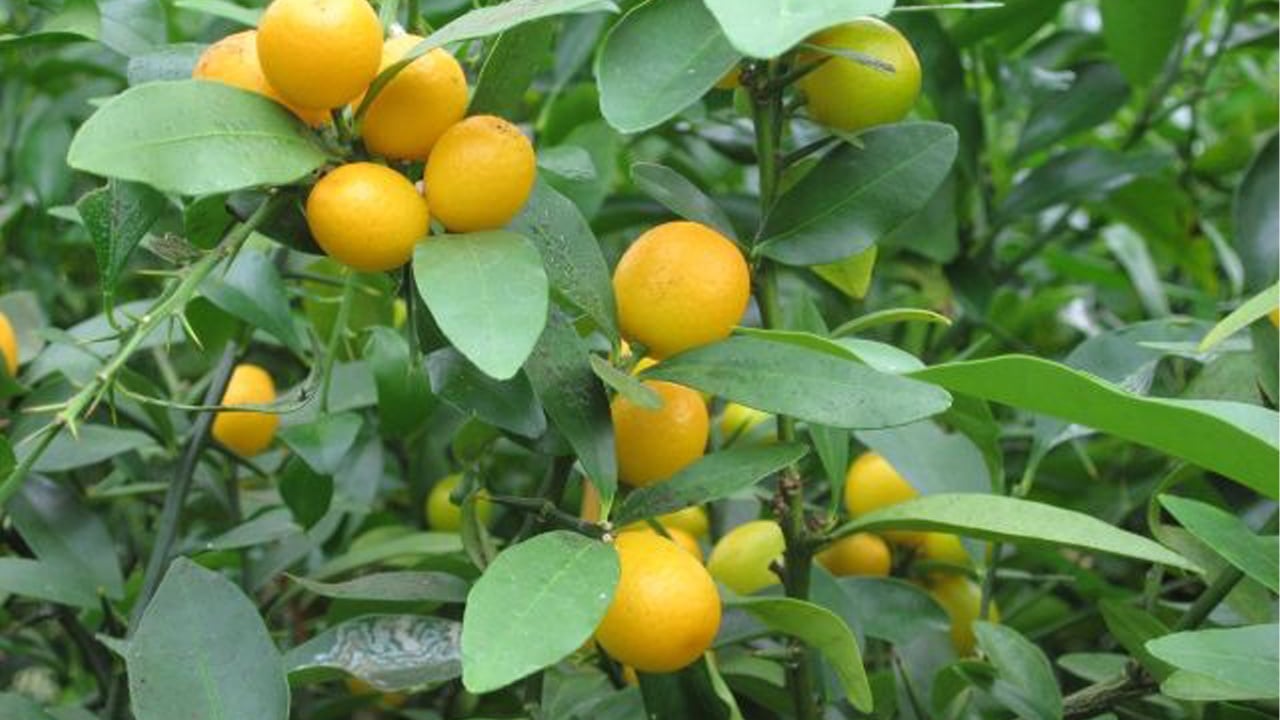
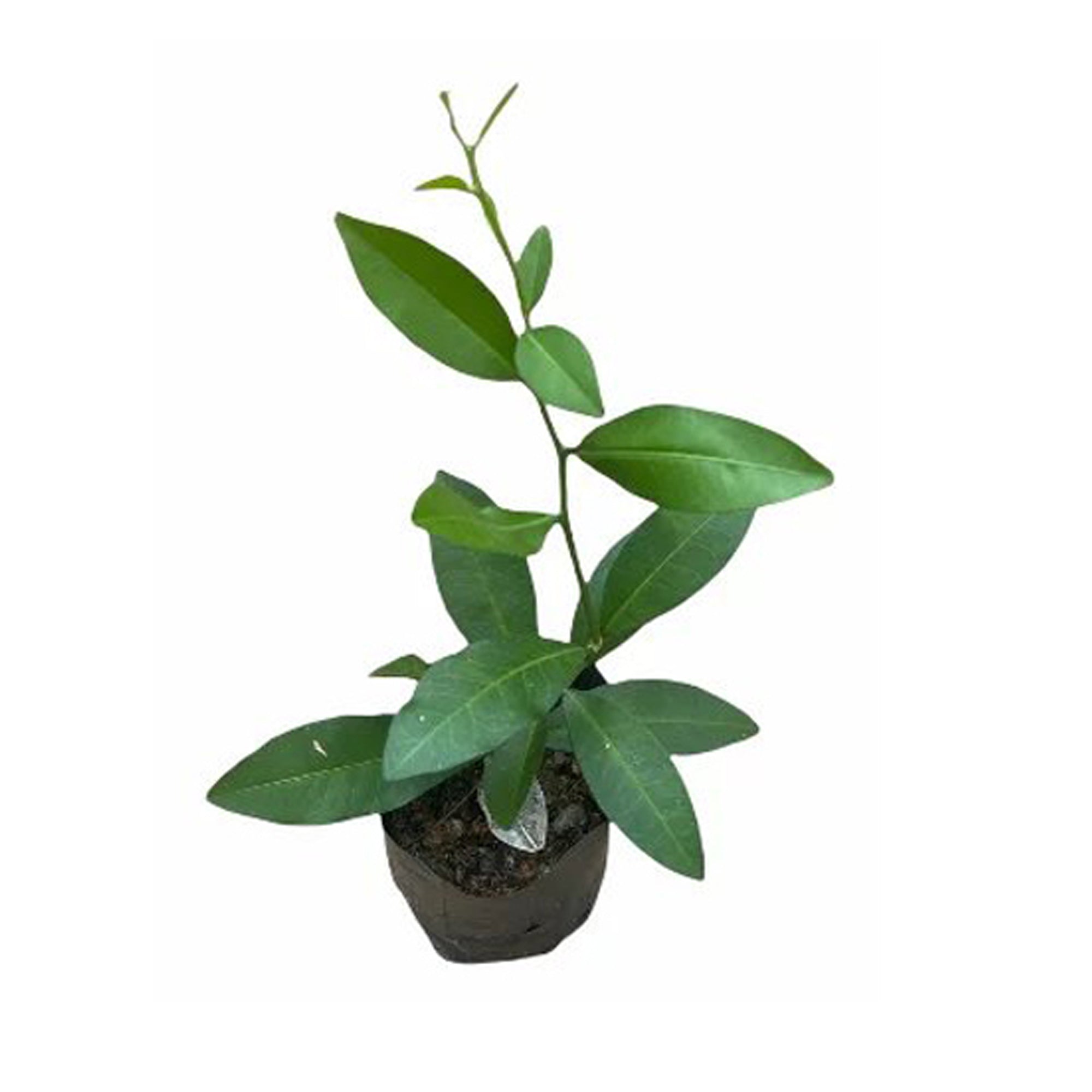
Atalantia ceylanica typically grows to around 2.5 metres in height, forming a dense, multi-branched shrub. Its most distinctive physical features are the sharp, slender spines — roughly 25 mm long — that line the stems. The leaves are ovate to elliptic in shape, ranging from about 4 to 15 cm in length and 2 to 6 cm in width, with a firm, leathery texture and a faint citrus scent when crushed.
Flowering occurs in short axillary clusters. The resulting fruits are small, subglobose, and somewhat dry — very different from the juicy citrus fruits most people picture. The plant is not grown for its fruit commercially but for its leaves and bark, which carry the bulk of its medicinal value.
Where does Yaki Naran grow in Sri Lanka?
Atalantia ceylanica is endemic to Sri Lanka, meaning it is found nowhere else in the world in its wild form. It grows naturally in dry and intermediate zone forests across the island, often appearing in the understorey of scrub woodland or along the margins of protected forest reserves. It tolerates relatively poor, well-drained soils and does not require the high rainfall that many other medicinal plants demand.
Because of this hardiness, Yaki Naran is also cultivated in home gardens and small-scale herbal holdings across the country, making it accessible to traditional healers and households alike.
What is Yaki Naran used for in traditional medicine?
In Sri Lankan Ayurvedic and traditional medicine (known locally as Deshiya Chikitsa), Yaki Naran has a long record of therapeutic use. Practitioners have historically drawn on different parts of the plant depending on the ailment being treated.
- Leaves: Used in preparations for digestive complaints, fevers, and coughs. Fresh or dried leaves are sometimes brewed into decoctions or incorporated into herbal porridges.
- Bark: Applied in remedies targeting fevers and disorders of the nervous system.
- Flowers: Occasionally used in compounded formulas aimed at respiratory and digestive conditions.
Modern phytochemical research has begun to confirm what traditional practitioners have long observed. The plant is rich in phenolic compounds, flavonoids, and antioxidants — bioactive groups that underpin many of its reported anti-inflammatory and antimicrobial properties. Research is ongoing, and Yaki Naran is increasingly attracting interest from the nutraceutical and natural-products industries.
How is Yaki Naran used in Sri Lankan cooking?
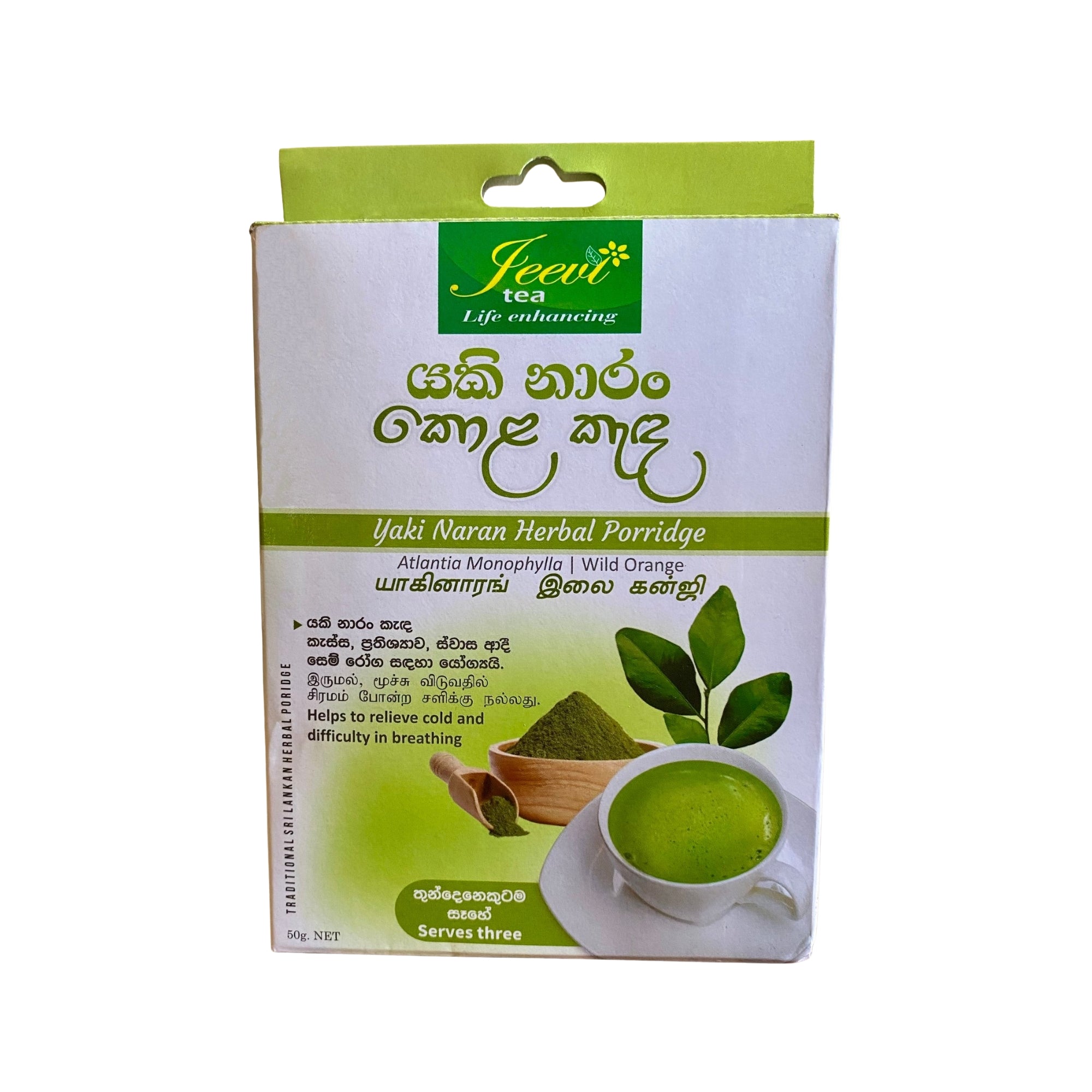
Beyond medicine, Yaki Naran leaves appear in Sri Lankan culinary tradition, most notably in herbal porridges known as kola kenda. Kola kenda is a breakfast staple in many Sri Lankan households — a thin rice-based porridge blended with freshly pounded green leaves and coconut milk. Yaki Naran is one of several native plants added to this dish for both flavour and its perceived health benefits.
The leaves lend a mild, slightly bitter, citrus-tinged note that is balanced by the creaminess of coconut milk. For those interested in Sri Lankan botanical cuisine, sampling a traditional kola kenda that includes Yaki Naran is a genuine way to connect with the island's living food culture.
What bioactive compounds are found in Yaki Naran?
Laboratory analyses of Atalantia ceylanica have identified a range of compounds of pharmacological interest:
- Flavonoids — plant pigments with antioxidant and anti-inflammatory activity.
- Phenolic acids — compounds associated with protection against oxidative stress.
- Alkaloids — a class common across the Rutaceae family, some of which have demonstrated antimicrobial and antifungal effects in laboratory settings.
- Essential oils — found primarily in the leaves, contributing to the plant's characteristic citrus-adjacent aroma.
It is worth noting that while traditional use is well-documented and early research is encouraging, clinical trials in humans remain limited. Yaki Naran products should be treated as complementary wellness items rather than replacements for prescribed medical treatment.
How is Yaki Naran available as a product?
In recent years, Sri Lankan wellness brands have begun processing Yaki Naran into several consumer-ready formats, making it practical for people both within the country and abroad to incorporate the plant into their routines.
- Dried whole leaves — for brewing as a tea or adding to cooking.
- Crushed or powdered leaves — convenient for smoothies, porridges, or encapsulation.
- Ready-mix kola kenda sachets — pre-blended herbal porridge mixes including Yaki Naran.
- Hair oil — Yaki Naran extracts are also incorporated into traditional hair care preparations, consistent with Ayurvedic practice of using citrus-family plants for scalp health.
- Capsules — standardised leaf powder in capsule form, suited to those who want a measured daily supplement.
- Living plants — for gardeners wishing to cultivate their own Yaki Naran shrub.
Lakpura sources and stocks a range of these products from reputable Sri Lankan producers, ensuring provenance and quality for international buyers.
Is Yaki Naran related to other Sri Lankan citrus plants?
Atalantia ceylanica belongs to the Rutaceae (citrus) family, placing it in the same broad botanical grouping as commercially cultivated oranges, limes, and lemons. However, it is a distinct genus from Citrus and does not produce the familiar fleshy fruits. Think of it as a wild, medicinal cousin rather than an edible citrus. Within Sri Lanka's rich botanical landscape, it sits alongside other valued native plants such as Acacia chundra and Pongamia pinnata, each with its own traditional role in local medicine and daily life.
Sri Lanka's exceptionally high level of plant endemism — a consequence of its geographic isolation and diverse ecosystems — means that plants like Yaki Naran represent not just botanical curiosities but a living record of the island's ecological and cultural heritage.
Where can I learn more about Sri Lanka's medicinal plant traditions?
Sri Lanka's traditional medicine system is recognised by the government and practiced alongside modern healthcare. The country maintains dedicated Ayurvedic hospitals and research institutions. For travellers with an interest in herbal medicine, visits to spice and herbal gardens — particularly in the Kandy region and along the southern coast — offer an accessible introduction to plants like Yaki Naran in their living context. The kitul palm tapping tradition and other rural craft-meets-agriculture experiences similarly reflect how deeply botanical knowledge is woven into Sri Lankan everyday life.