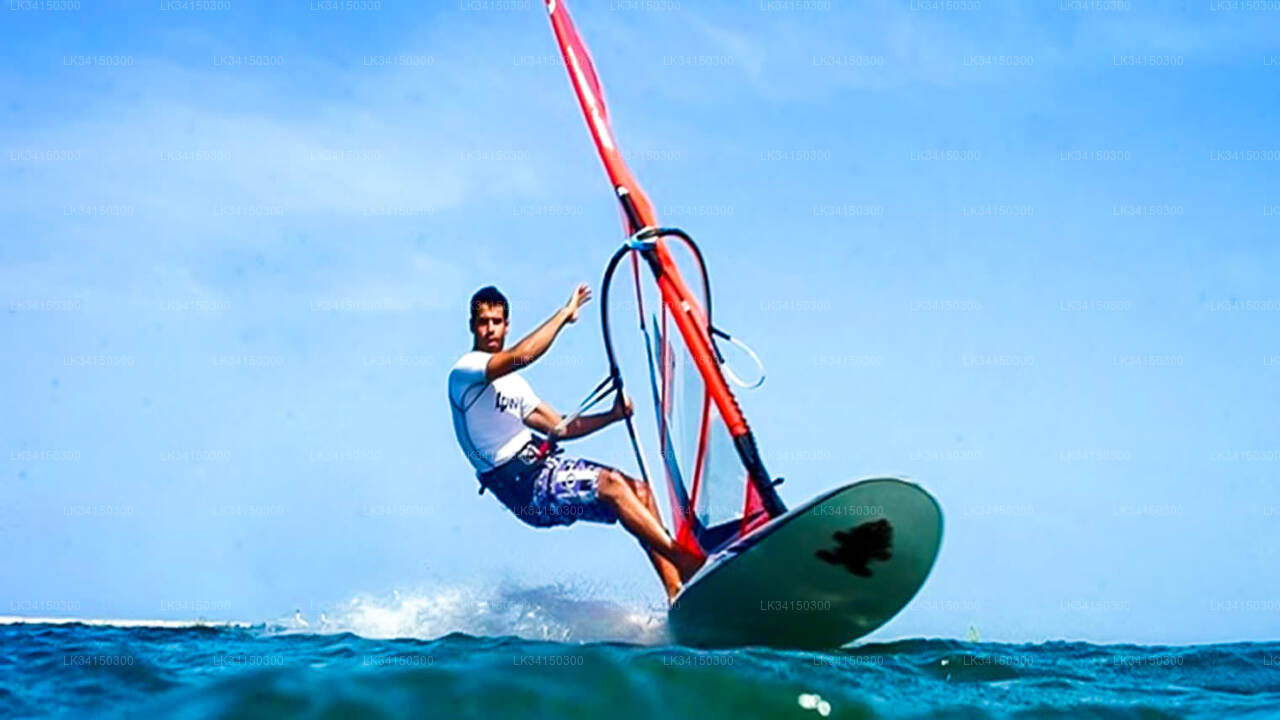
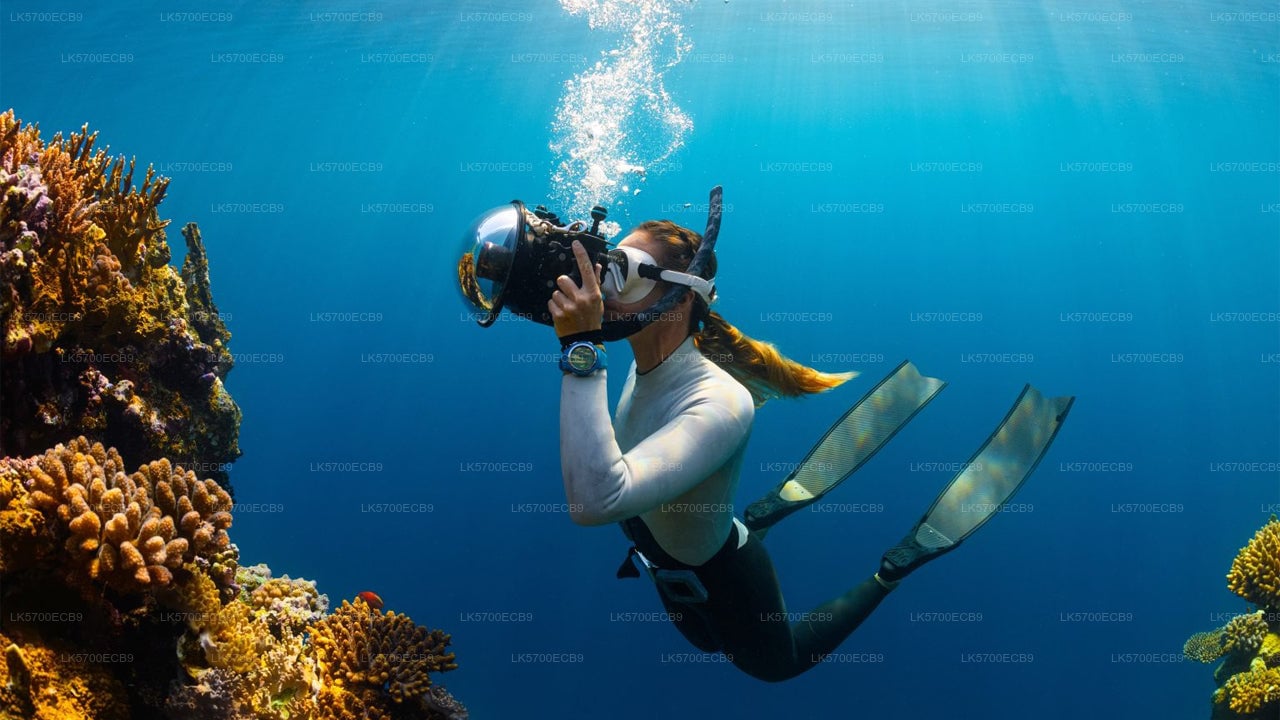
Sri Lanka has quietly earned a reputation as one of South Asia's most rewarding destinations for wave riders. With a coastline stretching over 1,300 kilometres, the island offers surf breaks suited to beginners learning to pop up for the first time, intermediate surfers refining their cutbacks, and experienced riders hunting for hollow, powerful waves. The Indian Ocean swells that wrap around the island's southern and western shores create a surfing calendar that, unusually, runs all year — you simply follow the season from one coast to the other.
Where are the best surf spots in Sri Lanka?
Sri Lanka's surf geography divides neatly by coast. The south and southwest coast — from Hikkaduwa through Mirissa to Weligama — picks up the south-west monsoon swell between November and April, when conditions are generally clean and offshore winds keep faces tidy. Hikkaduwa is the island's longest-established surf town, with a cluster of reef and beach breaks within easy paddling distance of the beach road.
The east coast, centred on Arugam Bay, flips the calendar. From roughly May through October, the south-east swell lights up breaks that include the famous Main Point — a long right-hander that can peel for well over 200 metres on a good day. Arugam Bay has attracted serious surfers since the 1970s and today supports a full ecosystem of board hire, surf schools, and repair workshops.
Further north, Pigeon Island near Nilaveli sits in calmer waters better suited to snorkelling than surfing, but the broader Trincomalee area has emerging breaks worth exploring in the right swell window.
What is the best time to surf in Sri Lanka?
The short answer is that Sri Lanka has no universally "off" season for surfing — the two monsoon systems simply favour different coasts at different times.
- November – April: South and west coast season. Hikkaduwa, Midigama, Weligama, and Mirissa are at their best. Swells are consistent and the water temperature hovers around 27–29 °C.
- May – October: East coast season. Arugam Bay and neighbouring breaks such as Pottuvil Point, Whisky Point, and Elephant Rock receive reliable south-east swells. This is also the drier period on the east coast.
Transition months (April–May and October–November) can produce mixed conditions on both coasts — experienced surfers sometimes find uncrowded waves during these windows, but beginners should check local forecasts carefully.
Which Sri Lanka surf spots suit beginners?
Weligama Bay is widely regarded as the island's most forgiving learning ground. The bay's sheltered geometry softens incoming swells into slow, crumbling waves that give beginners enough time to find their feet. Numerous surf schools operate directly from the beach and offer boards, rash guards, and tuition packages. Arugam Bay's Peanut Farm break is another gentle option on the east coast, with a sandy bottom and a mellow wave shape.
Midigama, between Hikkaduwa and Weligama, has a mix of breaks — some best left to experienced surfers, but the inside sections can work well for intermediates wanting to move past the white water stage.
What equipment do I need for surfing in Sri Lanka?
Given the warm water, a full wetsuit is rarely necessary. A shorty or a rash guard is usually sufficient to protect against sunburn and minor reef grazes. For boards, most rental outfits stock a range from wide, thick longboards (ideal for beginners) through to shorter fish and thruster shapes for more experienced surfers. Travelling with your own board is worth it if you have a specific craft you prefer — local airlines typically charge a board bag fee, so factor that into your budget.
Reef booties are worth considering at breaks like Hikkaduwa's main reef, where sharp coral can cause cuts. Sunscreen should be reef-safe; Sri Lanka's coastal reefs are a natural resource worth protecting.
How do I get to the main surf areas from Colombo?
The south-coast breaks are the most accessible from Colombo. Hikkaduwa is roughly 100 km south along the A2 coastal highway, a journey of around two to three hours by road depending on traffic. Weligama is a further 40 km or so beyond Hikkaduwa.
The east coast route to Arugam Bay is considerably longer — around 320 km from Colombo, typically five to seven hours by road depending on the route taken. Many travellers break the journey in Ella or another hill-country stop. Dedicated travellers can also fly into Batticaloa and arrange onward transport.
For convenient, private transfers to any surf destination, Lakpura can arrange door-to-door chauffeur-driven vehicles. See our taxis and private drivers page for details.
Is surfing in Sri Lanka safe?
Sri Lanka's surf spots range from genuinely beginner-friendly beach breaks to shallow, sharp reef breaks that demand experience and respect. A few points worth knowing:
- Always check local knowledge before paddling out at an unfamiliar break. Local surf schools and guesthouses are the best source of up-to-date conditions.
- Rip currents are present at some beach breaks. If caught in one, paddle parallel to the shore rather than fighting it directly.
- Reef breaks at low tide require extra caution — falls onto exposed coral can cause serious cuts.
- The monsoon transition period can bring unpredictable swells. If in doubt, sit out or seek instruction.
Lifeguards are not consistently present at Sri Lankan surf beaches, so personal judgment and a conservative approach — especially for less experienced swimmers — are important.
What else can I combine with a surf trip in Sri Lanka?
Sri Lanka's compact size means a surf trip rarely needs to be a single-activity holiday. The south coast, for instance, pairs naturally with deep sea fishing excursions out of Mirissa, wildlife watching at Udawalawe National Park, or a morning cruise through the mangroves on a Madu River Safari. On the east coast, Arugam Bay sits within reach of Kumana National Park and some of the island's least-visited beaches.
Adventure-minded travellers can also explore adventure tours that combine surfing with other activities such as snorkelling, kayaking, and coastal hiking.
Related reading
5 pages on closely related subjects.