Uggalla Railway Station sits quietly along one of Sri Lanka's busiest commuter corridors, the Kelani Valley (KV) Line, at kilometre post 40.8 from Colombo Fort. Though it is a modest halt by the standards of the national network, Uggalla serves a steady stream of local passengers travelling between the Western Province hill country and the capital, and it makes a useful reference point for anyone planning a journey along this historic narrow-gauge route.
Where exactly is Uggalla Station?
Uggalla is located in the Sabaragamuwa Province, in the district of Kegalle. The station sits between two neighbouring halts on the KV Line: Angampitiya to the west (towards Colombo Fort) and Pinnawala to the east. Pinnawala is widely known as the home of the Pinnawala Elephant Orphanage, which means the surrounding area attracts a significant number of day-trippers in addition to regular commuters.
The immediate landscape around Uggalla is typical of the mid-country lowlands — rubber plantations, paddy fields, and small village clusters shaded by coconut palms. Travellers who choose to ride the KV Line rather than the expressway will find the scenery a rewarding contrast to the urban sprawl they leave behind in Colombo.
What is the KV Line, and why is it special?
The Kelani Valley Line is one of Sri Lanka's narrow-gauge railways, originally built during the British colonial era to serve the rubber and tea estates of the interior. It runs from Colombo Fort through Padukka and onward, threading through river valleys and villages that are largely inaccessible by express road. The line is operated by Sri Lanka Railways and remains one of the more atmospheric train journeys in the country, particularly for travellers who want an unhurried, local experience rather than a mainline intercity service.
Unlike the famous Hill Country main line to Ella, the KV Line does not attract large numbers of tourists, which is precisely part of its appeal. Carriages are functional rather than scenic-observation class, but the journey offers an authentic window into everyday Sri Lankan life along the route.
How many trains stop at Uggalla each day?
On a typical operating day, around 14 train services call at Uggalla Station. These cover both directions — towards Colombo Fort and away from it — and span morning peak, midday, and evening hours. The majority of services are third-class intercity and commuter trains; a smaller number of mixed or semi-express services also pass through.
Frequency is highest in the early morning and late afternoon, reflecting the commuter-heavy nature of the KV Line. Travellers planning to use the station are advised to check the current timetable directly with Sri Lanka Railways, as schedules are subject to seasonal revision and occasional engineering works.
How do I get to Uggalla from Colombo?
The most straightforward option is to board a KV Line train from Colombo Fort Station. The journey covers roughly 40.8 km and typically takes between 90 minutes and two hours, depending on the service and the number of stops. Seats are not reservable on most KV Line services; passengers simply board and pay on the train or at the originating station.
By road, Uggalla is accessible via the A1 Colombo–Kandy highway and local B-roads, or via the Colombo–Ratnapura expressway (E04) with a turn-off towards Kegalle. Road travel from Colombo typically takes around an hour by private vehicle under normal traffic conditions, though the Colombo–Kegalle stretch of the A1 can slow significantly during peak hours.
What is there to see near Uggalla Station?
The station's most prominent neighbour is Pinnawala, just one stop further along the line. The Pinnawala Elephant Orphanage, managed by the Department of National Zoological Gardens, is one of the most visited wildlife attractions in Sri Lanka and can be reached on foot or by tuk-tuk from Pinnawala Station. Visitors often alight at Pinnawala rather than Uggalla, but the proximity makes Uggalla a secondary access point for the same area.
The broader Kegalle District also offers access to the Belilena Cave, a prehistoric site of archaeological significance, as well as several small Buddhist temples and rubber estate viewpoints that reward unhurried exploration. The district lies at a transitional altitude between the coastal lowlands and the central highlands, giving the landscape a lush, year-round green character.
When is the best time to travel the KV Line through Uggalla?
The KV Line is operational year-round. The dry periods — roughly from December to March and from June to August — generally offer the most reliable travel conditions, with lower risk of flooding or landslips that can occasionally affect services during heavy monsoon rains. The area falls primarily under the influence of the south-west monsoon (May to September), so travel in the first half of the year can bring occasional disruption.
That said, the mid-country landscape is at its most vivid and green during and just after the rains, and many travellers find the quieter wet-season trains more atmospheric than the busier holiday periods.
Practical information for visitors
- Station type: Unmanned halt (ticket purchase typically on board or at Colombo Fort)
- KV Line gauge: 762 mm (narrow gauge)
- Distance from Colombo Fort: 40.8 km
- Neighbouring stations: Angampitiya (westbound) / Pinnawala (eastbound)
- Approximate daily services: Around 14
- Nearest major town: Kegalle
Exploring Sri Lanka's railway heritage further
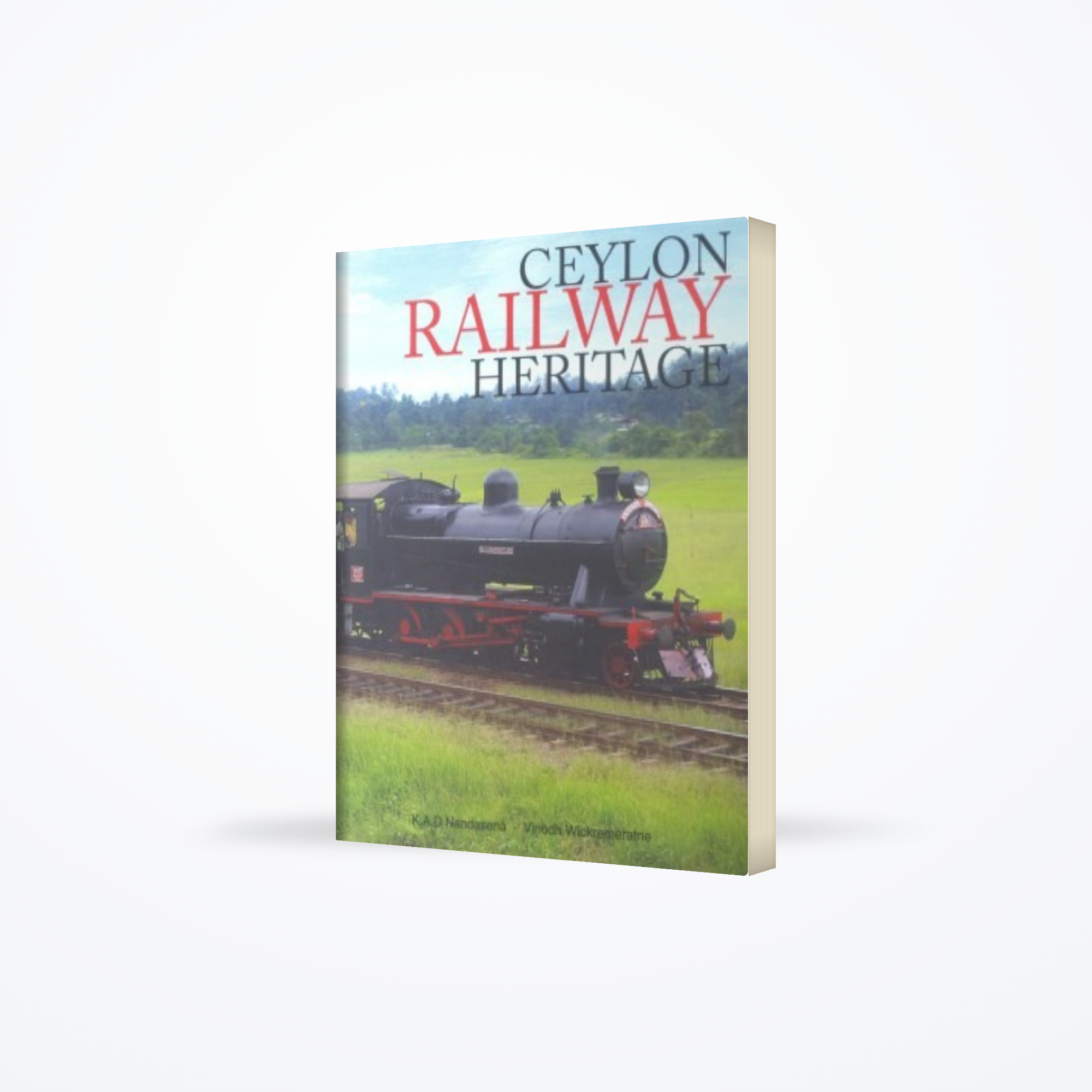
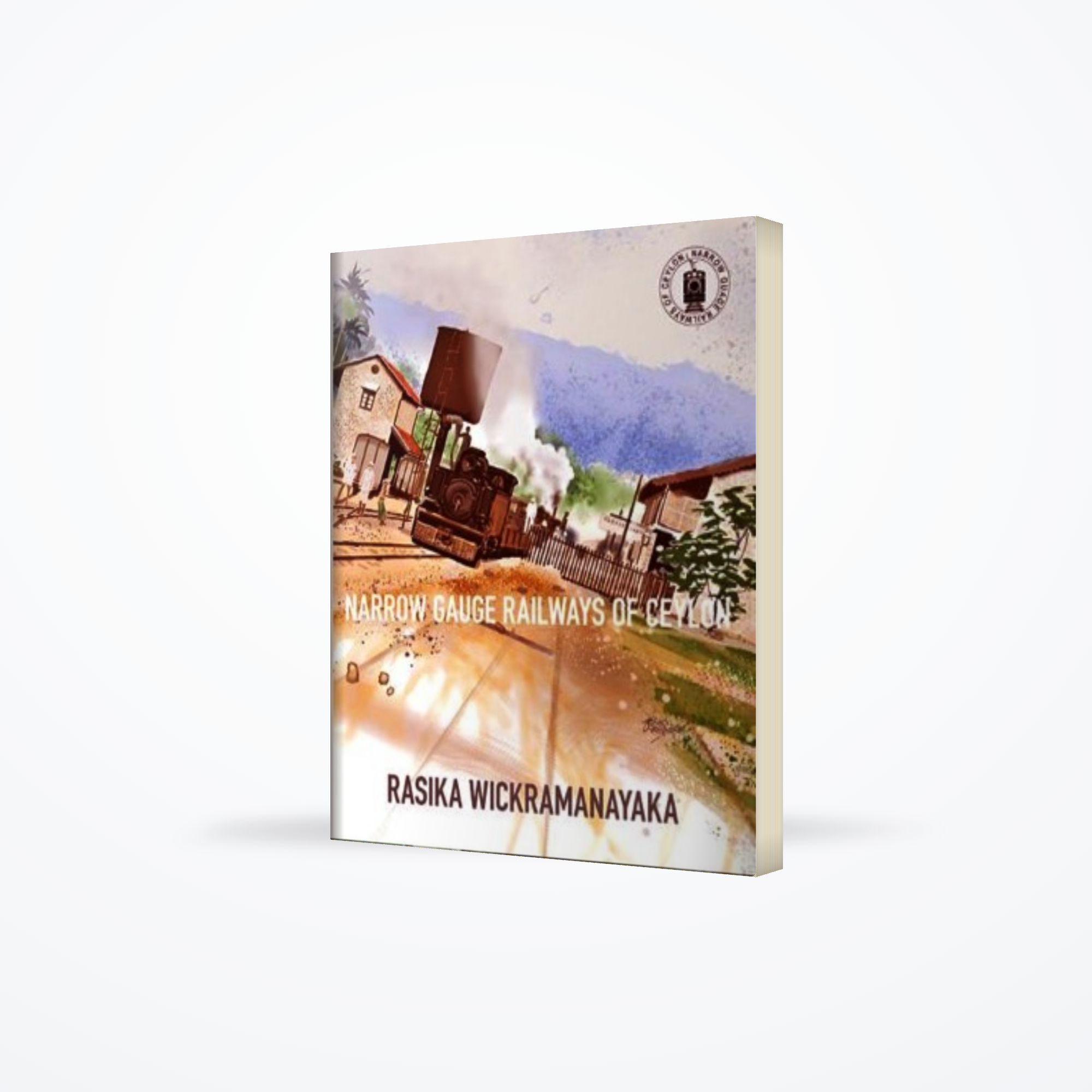
Sri Lanka's rail network has a rich history stretching back to 1864, when the first line opened between Colombo and Ambepussa. The Kelani Valley Line came later, built in stages to support the growing plantation economy of the interior. For travellers with a deeper interest in the social and engineering history of Ceylon's railways, reference works on the subject offer a rewarding complement to any journey on the network. Lakpura carries a selection of titles covering Ceylon and Sri Lanka's railway history for those who want to read further before or after their trip.
Uggalla railway station timetable
14 trains call at Uggalla on a typical day.
KV Line · 40.8 km from Colombo Fort
| Departs | Towards | Runs |
|---|---|---|
| 04:54 am | Colombo Fort | Daily |
| 05:35 am | Colombo Fort | Daily |
| 07:20 am | Colombo Fort | Daily |
| 09:09 am | Kosgama | Daily |
| 10:13 am | Maharagama | Daily |
| 01:35 pm | Colombo Fort | Daily |
| 02:41 pm | Kosgama | Daily |
| 04:11 pm | Homagama | Daily |
| 06:01 pm | Avissawella | Weekdays and Sunday Only |
| 06:13 pm | Avissawella | Saturday Only |
| 06:26 pm | Avissawella | Weekdays and Sunday Only |
| 07:18 pm | Avissawella | Daily |
| 08:18 pm | Kosgama | Daily |
| 09:48 pm | Avissawella | Daily |
Timetable mirrored from published Sri Lanka Railways schedules, last checked 2026-09-14. Times can change without notice — confirm with the railway before travelling. See the whole network on the Sri Lanka railway station list.
Nearby places
11 places within about 25 km, nearest first.