
Sinhala — sometimes spelled Sinhalese — is one of the two official languages of Sri Lanka and the mother tongue of the Sinhalese people, who make up the largest ethnic group on the island. Spoken by roughly 16–17 million people within Sri Lanka and by diaspora communities across Europe, Australia, and North America, it occupies a central place in the country's civic life, cultural identity, and daily conversation. For any traveller spending meaningful time in Sri Lanka, even a passing familiarity with the language opens doors that English rarely does.
What language family does Sinhala belong to?
Sinhala is classified as an Indo-Aryan language, making it a distant relative of Hindi, Bengali, and Gujarati rather than of the Dravidian languages — such as Tamil — spoken in southern India and northern Sri Lanka. This origin is somewhat surprising given the island's geography: Sri Lanka sits just 30 kilometres from the Tamil-speaking Tamil Nadu coast. Centuries of close contact with Dravidian speakers have, however, left a clear imprint on Sinhala's vocabulary and grammar, making it something of a linguistic bridge between the two great language families of South Asia.
Tamil, Sri Lanka's second official language, shares official status under the constitution and is the primary language of the Tamil community concentrated in the north and east. Both languages appear on government signage, currency, and official documents throughout the island.
How old is the Sinhala script?
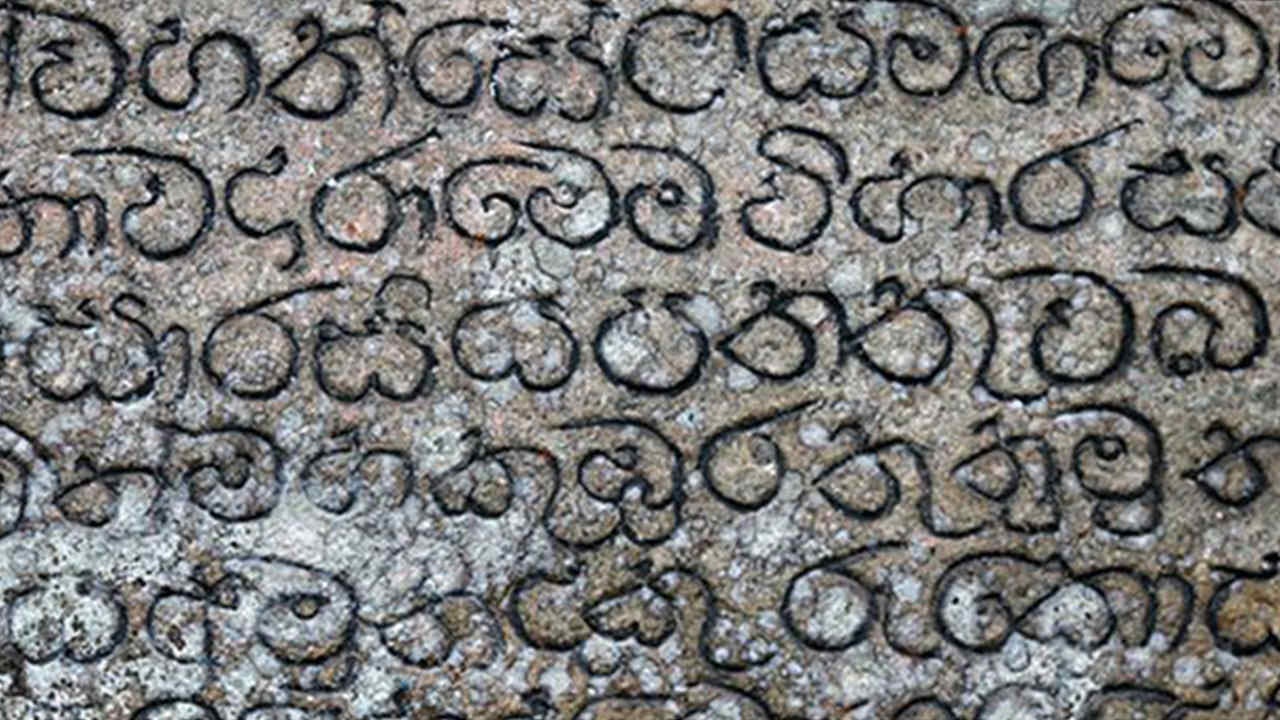
The written history of Sinhala is remarkably deep. The earliest known inscriptions appear in a form of Brahmi script dating to the 3rd and 2nd centuries BCE — roughly contemporaneous with the reign of Emperor Ashoka in India, who is credited with spreading Buddhism across the region. These rock inscriptions record gifts to the Buddhist monastic community and represent some of the oldest surviving written records in South Asia.
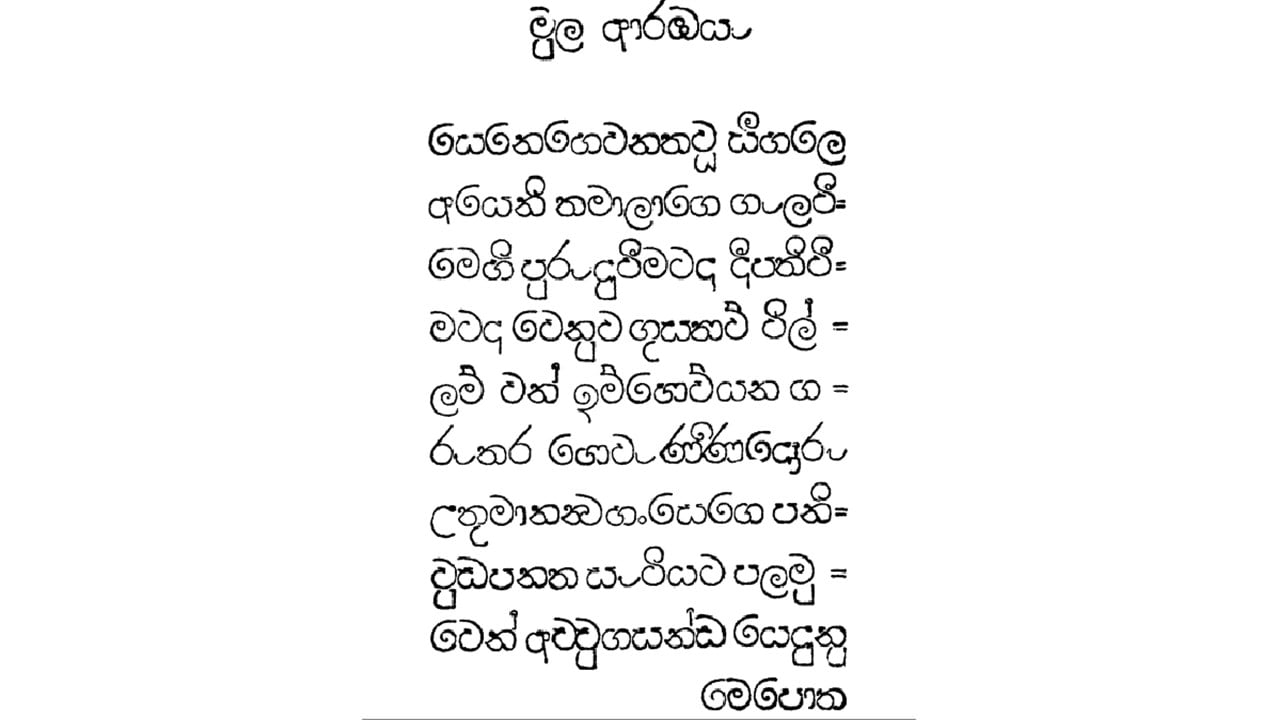
The script itself changed substantially between the 4th and 8th centuries CE, evolving from the angular characters of early Brahmi into the rounded, circular letterforms that characterise modern Sinhala. This shift toward rounder forms is thought to reflect the practicality of writing on palm leaves, where straight strokes tend to split the fibre. The ancient city of Polonnaruwa, which served as Sri Lanka's medieval capital, produced inscriptions that document several of these transitional script stages.
How does the Sinhala writing system work?
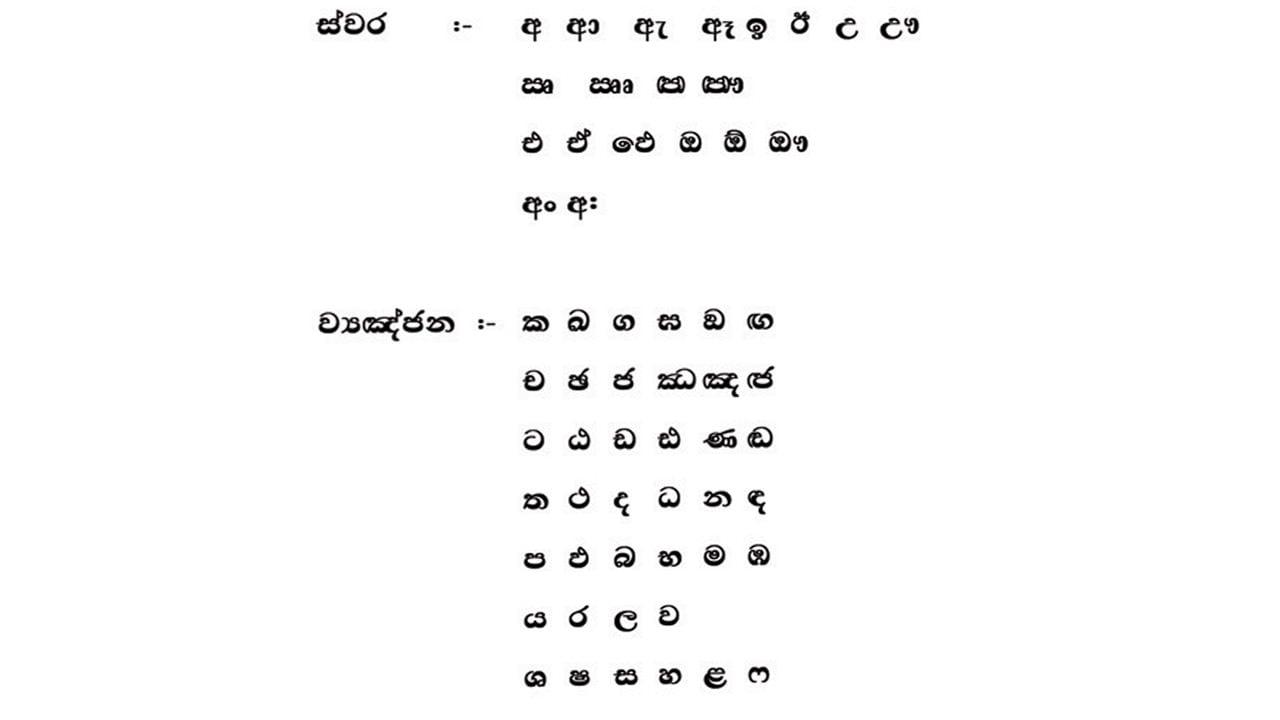
Sinhala is written in an abugida — a writing system in which each symbol represents a consonant with an inherent vowel sound (typically a short "a"). Readers and writers modify this inherent vowel by attaching diacritical marks, which can appear above, below, before, or after the base consonant. When a vowel occurs at the beginning of a word or syllable, it is written as a fully independent letter rather than as a diacritic.
The modern Sinhala alphabet contains around 58 letters, though everyday written Sinhala uses a practical subset of roughly 36–41 characters. The larger set includes letters used specifically to write Sanskrit and Pali loanwords — languages that entered Sinhala through Buddhist religious texts and remain present in formal, literary, and ceremonial registers of the language today.
When two consonants occur consecutively without an intervening vowel, Sinhala uses conjunct symbols — combined letterforms that merge the essential visual elements of each character. These conjuncts are a hallmark of scripts descended from Brahmi and can make learning to read Sinhala a rewarding but layered process for newcomers.
What is the literary tradition of Sinhala?
Sinhala literature encompasses both prose and poetry, and both traditions have evolved considerably across the island's long history. The earliest surviving literary composition dates to around the 9th century CE, though scholars infer the existence of an earlier oral tradition that preceded written texts by many centuries.
Classical Sinhala poetry drew heavily on Sanskrit models and Buddhist themes, producing works of devotional verse, court poetry, and didactic literature. Medieval prose writing flourished under royal patronage, particularly during the Polonnaruwa and later Kandyan periods, generating chronicles, commentaries on Buddhist doctrine, and narrative tales. The Esala Perahera festival in Kandy, one of the oldest living Buddhist pageants in the world, has generated centuries of ceremonial Sinhala verse and chant that continue to be performed today.
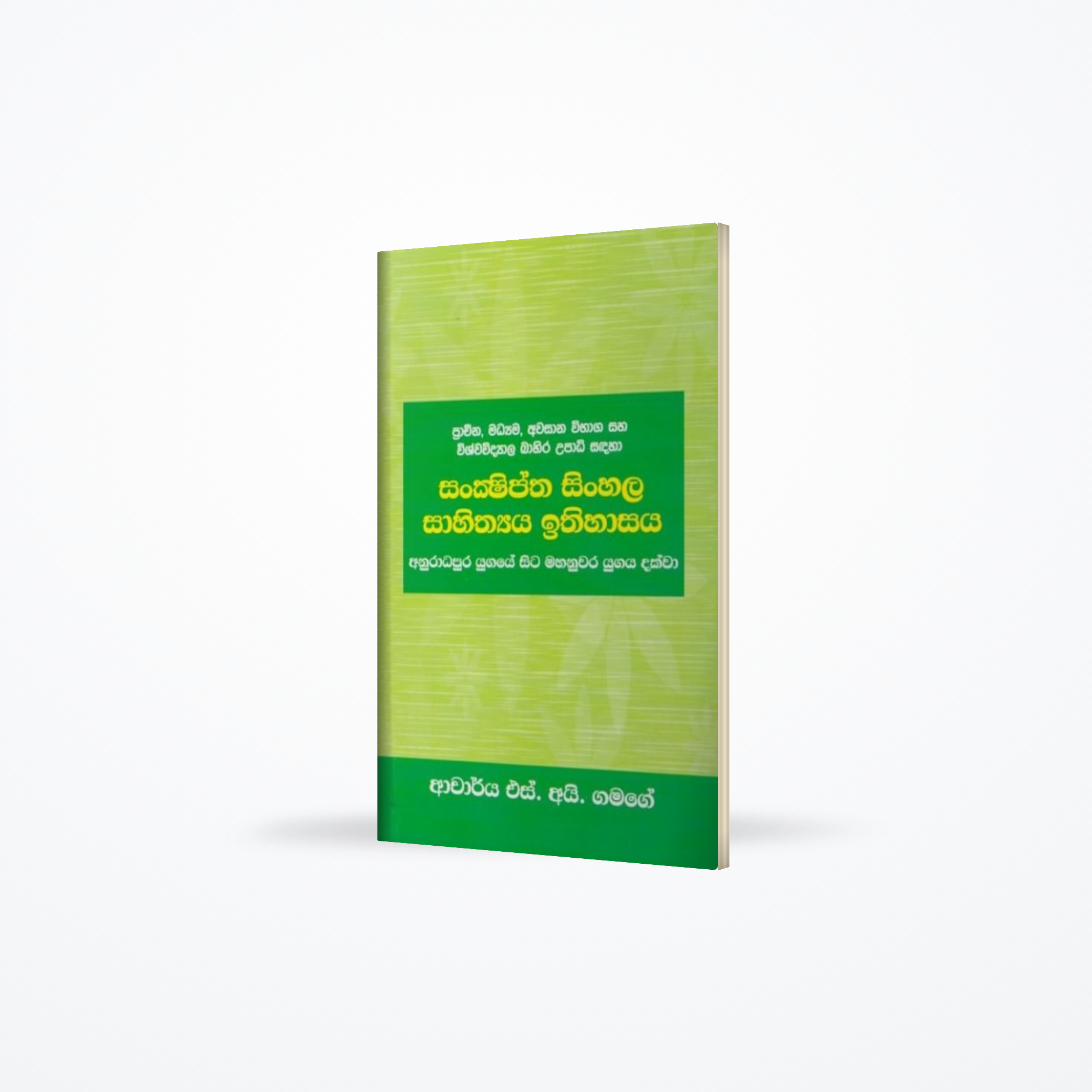
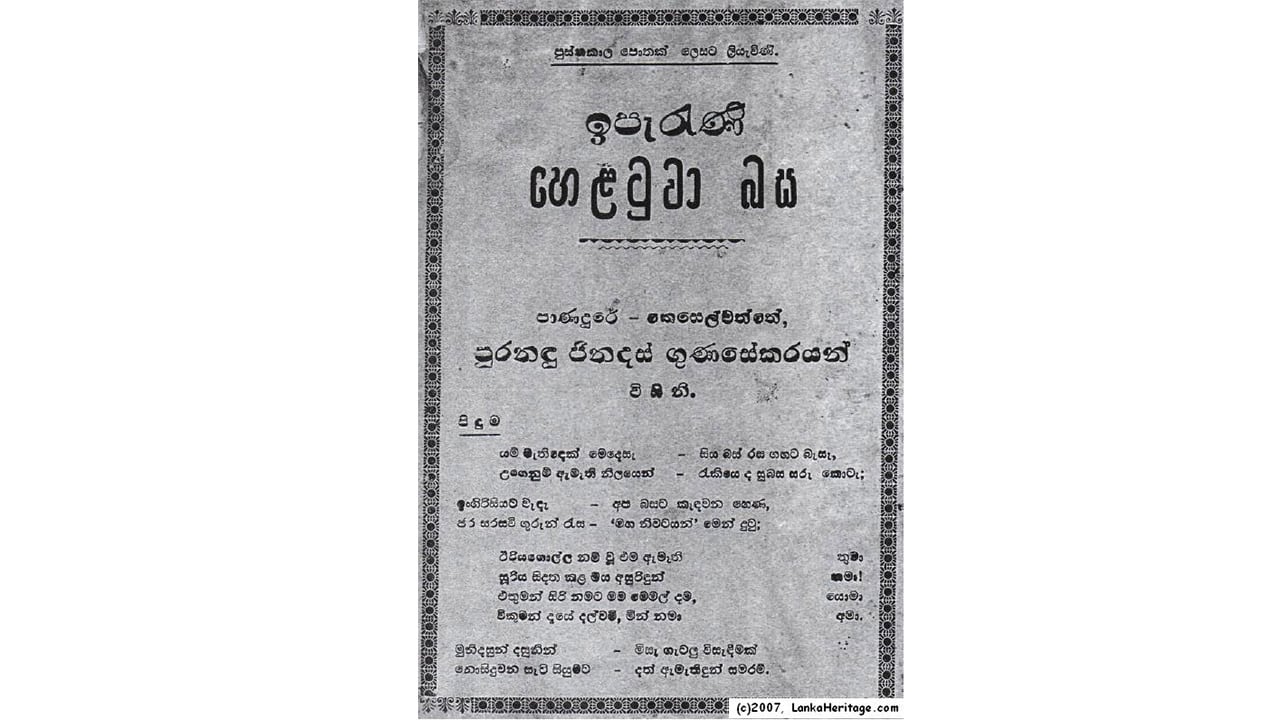
Modern Sinhala literature emerged in the late 19th and early 20th centuries as print culture spread across the island. The novel, the short story, and journalism became vehicles for social commentary, nationalist thought, and creative exploration — a tradition that remains vigorous in contemporary Sri Lankan writing.
What Sinhala words and phrases should a traveller know?
Sri Lankans in the tourism industry generally speak functional English, but a handful of Sinhala words go a long way in building genuine rapport with hosts, drivers, and vendors.
- Ayubowan (ආයුබෝවන්) — the traditional greeting, literally meaning "may you live long"; used for both hello and farewell
- Istuti (ස්තුතිය) — thank you
- Ow (ඔව්) — yes
- Nae (නෑ) — no
- Koheda yanne? (කොහෙද යන්නේ?) — where are you going? (useful for negotiating with tuk-tuk drivers)
- Kiyada? (කීයද?) — how much?
- Honda (හොඳ) — good
- Mahathmaya / Nona — polite forms of address for a man / woman
Pronunciation note: Sinhala makes a distinction between short and long vowels, and between aspirated and unaspirated consonants. Both distinctions change meaning, so listening carefully to local speakers is the most reliable way to calibrate your pronunciation.
How has Sinhala been shaped by contact with other languages?
Over two millennia, Sinhala has absorbed vocabulary from Sanskrit, Pali, Tamil, Portuguese, Dutch, and English — a linguistic record of the island's trading history and colonial encounters. Portuguese missionaries in the 16th century compiled the first European-language grammars and dictionaries of Sinhala. Dutch colonial administrators in the 17th and 18th centuries left traces in legal and agricultural terminology. British rule from 1815 to 1948 introduced a layer of English loanwords — particularly in technology, administration, and education — that persist in colloquial speech today.
This layered vocabulary means that a single concept in Sinhala may have a classical Sanskrit-derived form used in formal writing, a Pali-derived form used in Buddhist contexts, and a colloquial form that may be a direct borrowing from English or Tamil. For linguists, this makes Sinhala a particularly rich field of study; for travellers, it means that recognisable cognates occasionally surface in unexpected places.
Where is Sinhala spoken outside Sri Lanka?
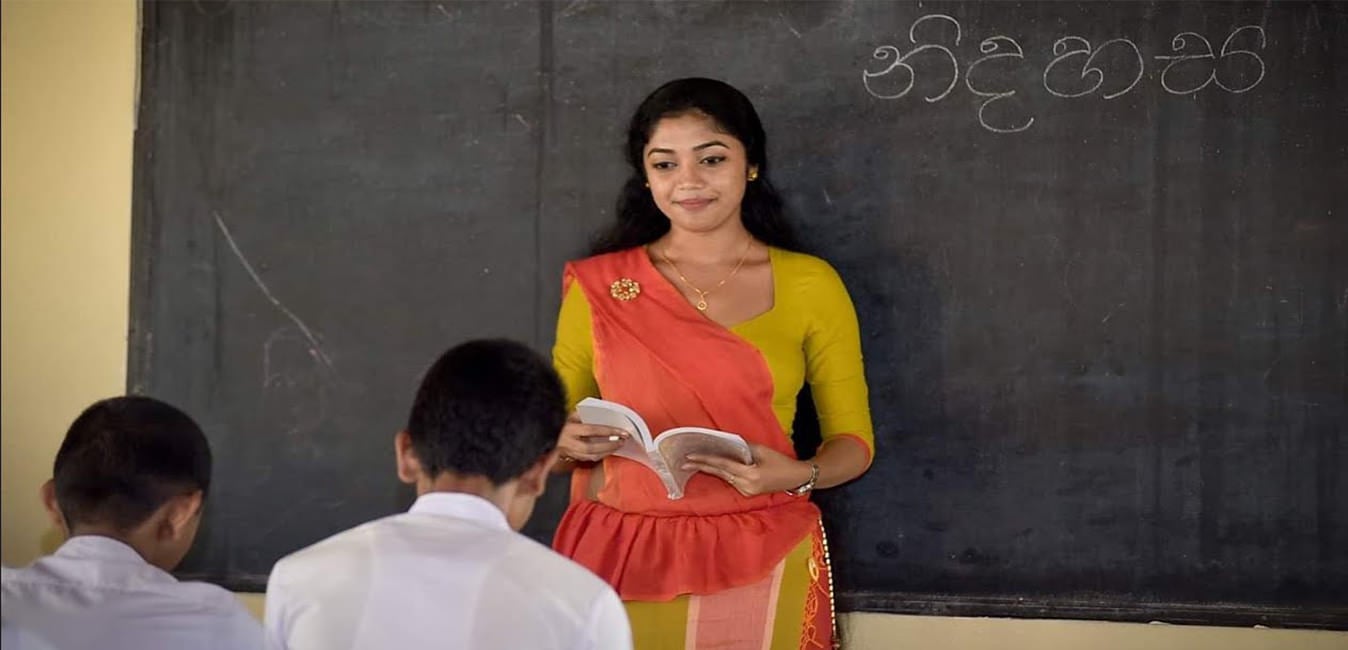
Significant Sinhala-speaking communities exist in Australia, the United Kingdom, Canada, Italy, and the Middle East, reflecting waves of emigration from the 1970s onward. The Sri Lankan diaspora has maintained the language across generations, supported by Sinhala-medium schools, Buddhist temples, and community organisations. Digital media and streaming platforms have reinforced the language's reach, with Sinhala-language content now widely available online. Sri Lanka's Dhamma Schools — Buddhist Sunday schools — have historically played an important role in transmitting both religious literacy and the written Sinhala script to younger generations.
Related reading
2 pages on closely related subjects.