Sevanapitiya Railway Station sits quietly in the Polonnaruwa District of Sri Lanka's North Central Province, serving as a local stop on the rail network that threads through this historically rich part of the island. While it draws far less attention than the ancient ruins nearby, the station plays a practical role for residents and travellers moving between the province's towns and the wider national rail network.
Where is Sevanapitiya Railway Station?
The station is located within the Polonnaruwa District, a region best known for its UNESCO-listed medieval capital and its broad, irrigation-fed plains. North Central Province sits at the heart of the island's dry zone, flanked by dense forests and ancient reservoirs known as tanks. Sevanapitiya itself is a small settlement, and the railway station reflects that scale — functional rather than grand, but well-positioned for local connectivity.
The district capital, Polonnaruwa Town, is the dominant transport hub in the area. Travellers heading to the Polonnaruwa Archaeological Site, Minneriya National Park, or Giritale typically pass through or near this corridor of the rail network.
What train services stop at Sevanapitiya?
On a typical day, around six trains call at Sevanapitiya Station. Services on this line generally run between Colombo (Maradana or Fort) and Batticaloa or Trincomalee, making the station accessible from both the capital and the east coast. The exact schedule — including departure times, destinations, and days of operation — can vary by season and is subject to revision by Sri Lanka Railways.
For the most up-to-date timetable, it is worth checking directly with Sri Lanka Railways, as published schedules can shift during public holidays or when engineering works affect the line.
Which rail line serves Sevanapitiya?
The station falls on the Main Line and its onward connections toward the east of the island. This route is one of Sri Lanka's more strategically important rail corridors, linking the densely populated western and central zones with the Northern and Eastern provinces. Trains on this corridor pass through agricultural flatlands and scrub forest — a notably different landscape from the tea-country scenery of the Hill Country line.
- Direction west: Trains run toward Polonnaruwa, Habarana, Gal Oya, and ultimately Colombo.
- Direction east: Services continue toward Batticaloa or branch toward Trincomalee.
What is there to see near Sevanapitiya Station?
The Polonnaruwa District offers a concentration of historical and natural attractions that make it one of Sri Lanka's most rewarding regions for travellers willing to move beyond the obvious tourist circuit.
- Polonnaruwa Ancient City: A UNESCO World Heritage Site containing royal palaces, dagobas, and the celebrated Gal Vihara rock temple. The site dates to the 11th and 12th centuries when Polonnaruwa served as Sri Lanka's second ancient capital.
- Minneriya National Park: Famous for the annual elephant gathering, one of the largest wild elephant assemblies recorded anywhere in Asia, typically peaking between July and October.
- Giritale Tank: A large ancient reservoir that now doubles as a habitat for water birds and a peaceful stop for nature-oriented travellers.
- Medirigiriya Vatadage: A circular relic house dating to the 7th century, set on a granite outcrop roughly north of Polonnaruwa town.
How do I get to Sevanapitiya from Colombo?
The rail journey from Colombo Fort to stations in the Polonnaruwa District typically takes around four to five hours on inter-city or express services, depending on the specific stopping pattern. Sevanapitiya, as a smaller halt, is served by stopping trains rather than express services, so journey times may be longer if travelling directly to this station.
Travellers with flexibility may find it more practical to alight at Polonnaruwa Station — a larger hub with better onward connections — and then arrange local transport to specific destinations within the district. Three-wheelers and buses are widely available from Polonnaruwa town.
Is it better to travel to Polonnaruwa by train or road?
Both options have merit. The train offers a comfortable, low-stress journey with no traffic delays on the main inter-city route, and the scenery through the dry-zone lowlands has its own understated appeal. Road travel by private vehicle or bus gives more flexibility over timing and allows stops at intermediate sites like Dambulla Cave Temple or Sigiriya along the way.
For travellers on a structured itinerary, a private transfer from Colombo or from another major destination such as Kandy or Ella can be the most efficient choice, particularly when carrying luggage or travelling with children.
Practical information for visitors
| Detail | Information |
|---|---|
| Province | North Central Province |
| District | Polonnaruwa |
| Typical daily trains | Around 6 services |
| Rail line | Main Line (Colombo–Batticaloa/Trincomalee corridor) |
| Nearest major station | Polonnaruwa |
| Timetable source | Sri Lanka Railways (railway.gov.lk) |
Books for the rail-minded traveller
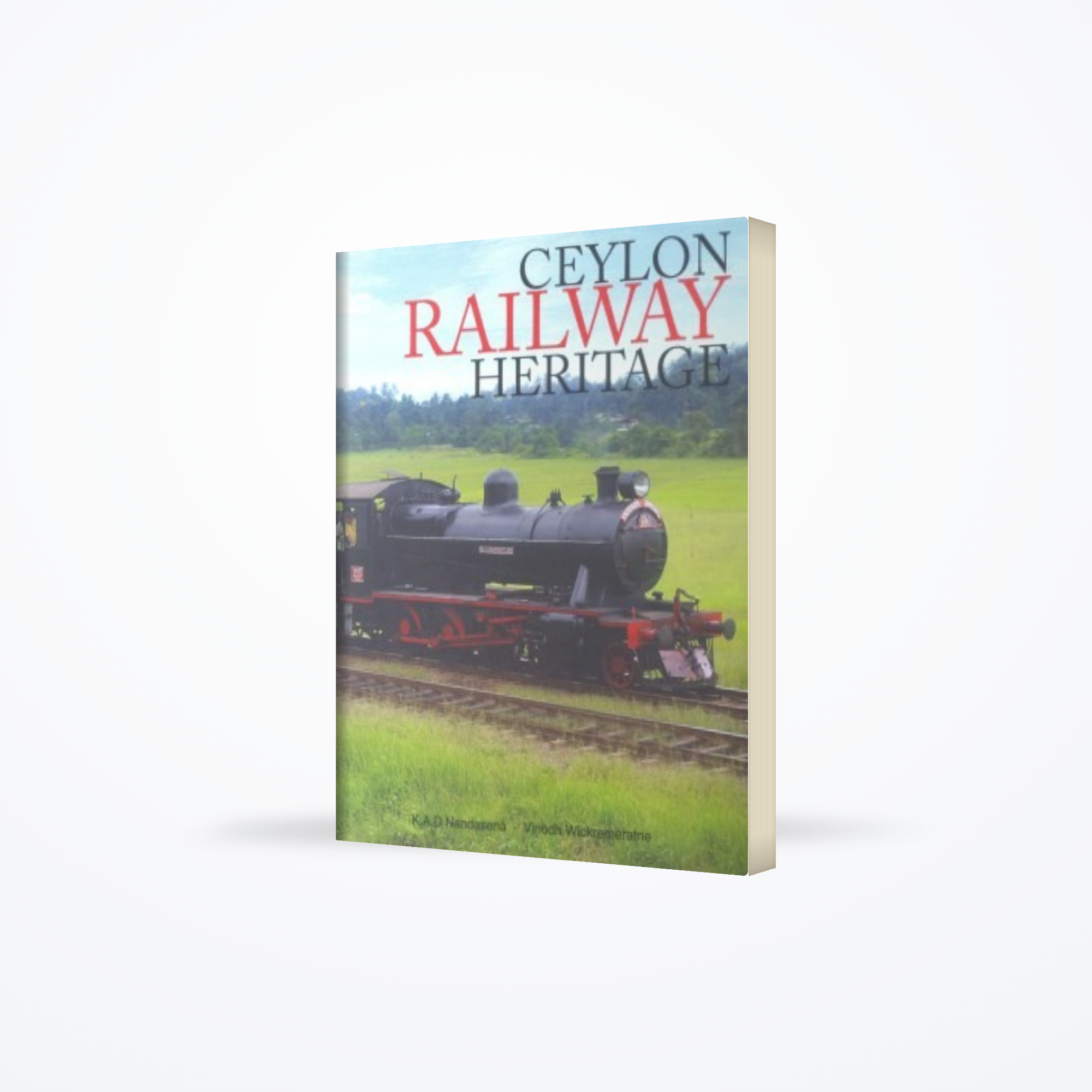
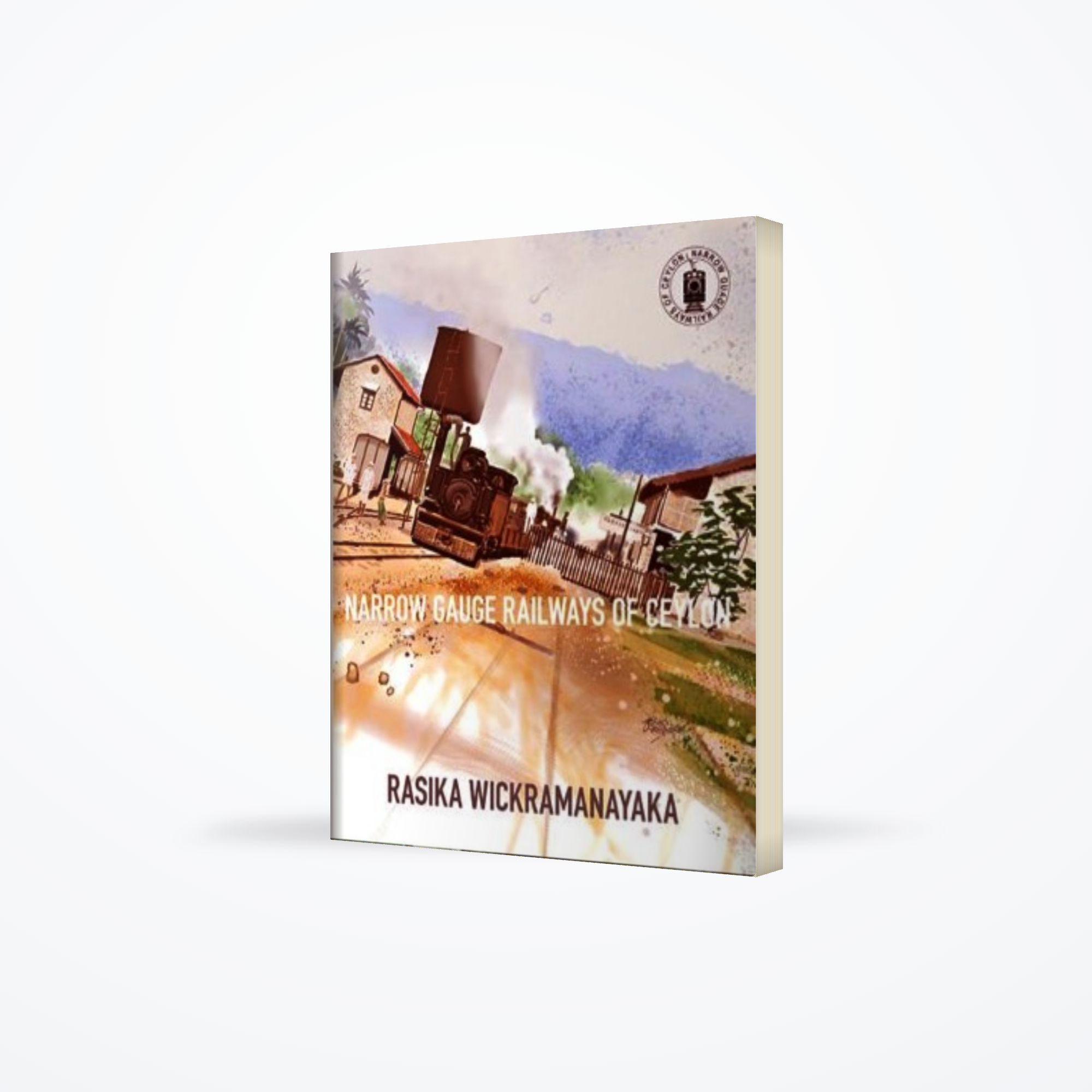
Sri Lanka's railway history stretches back to 1864, and the island's network carries a story worth knowing before you board. For those who enjoy reading around a destination, a handful of titles cover Ceylon's rail heritage in genuine depth — from the construction of the Hill Country lines under British administration to the narrow-gauge curiosities that once served the island's more remote corners.
Sevanapitiya railway station timetable
6 trains call at Sevanapitiya on a typical day.
North Central Province
| Departs | Towards | Train | Runs |
|---|---|---|---|
| 05:06 am | Batticaloa | Daily | |
| 08:05 am | Colombo Fort | Udaya Devi | Daily |
| 10:52 am | Batticaloa | Daily | |
| 12:58 pm | Batticaloa | Udaya Devi | Daily |
| 01:24 pm | Maho | Daily | |
| 07:03 pm | Galoya Junction | Daily |
Timetable mirrored from published Sri Lanka Railways schedules, last checked 2026-09-14. Times can change without notice — confirm with the railway before travelling. See the whole network on the Sri Lanka railway station list.
Nearby places
10 places within about 25 km, nearest first.
- Gallella Railway Stationunder 1 km
- Kasagalaunder 1 km
- Laksauyana Railway Stationunder 1 km
- Hatamuna Railway Stationunder 1 km
- Hataras Kotuwa Railway Stationunder 1 km
- Jayanthipura Railway Station2 km
- Hingurakgoda Railway Station3 km
- Medirigiriya Vatadage3 km
- Flood Plains National Park4 km
- Aselapura Railway Station5 km