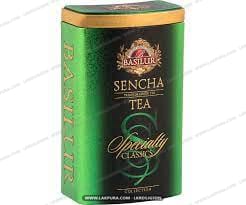
Sencha is Japan's most widely consumed green tea, made by infusing whole processed tea leaves in hot water rather than whisking powdered leaf as with matcha. The result is a clean, nuanced infusion whose colour, flavour, and aroma shift noticeably depending on how it is brewed — a quality that has made sencha the daily cup of choice for millions of people across Japan and, increasingly, around the world.
What is sencha and how is it different from other green teas?
After harvest, sencha leaves are steamed to halt oxidation, then rolled and dried. This process preserves the leaf's natural green colour and locks in a characteristic grassy, slightly marine aroma. The key distinction from matcha is that sencha is an infusion: the brewed liquid is poured off and the leaf itself is discarded, whereas matcha suspends ground leaf powder directly in the water.
Compared to Chinese green teas such as longjing or bi luo chun — which are pan-fired rather than steamed — sencha tends to taste more herbaceous and less toasty. Within Japan, sencha sits between gyokuro (shade-grown, richer in umami) and bancha (coarser, later-harvest leaves) in terms of quality and price.
Sri Lanka's tea industry has adopted the sencha style to produce its own interpretation, steaming freshly plucked Ceylon Green Tea leaves to create a cup that carries the classic sencha character alongside the island's distinctive terroir.
What does sencha taste like?
The ideal cup of sencha is a clear greenish-golden colour with a fresh, slightly sweet aroma. Flavour depends heavily on water temperature:
- Around 70–75 °C (160–167 °F): The brew is smooth and mellow, with a gentle sweetness and low astringency.
- Around 80–85 °C (176–185 °F): More body and a mild grassiness emerge, with slightly more astringency.
- Boiling water (100 °C): The cup becomes noticeably more astringent and bitter — fine for a bracing morning cup but less nuanced.
Some premium sencha varieties expand fully when steeped and resemble fresh leaf-vegetable greens in appearance, scent, and taste — a quality prized by experienced drinkers as a sign of careful processing and good provenance.
How do you brew sencha correctly?
Brewing sencha well is straightforward once you understand the temperature rule. A ceramic or porcelain teapot with a built-in strainer works best; glass is also popular because it lets you watch the leaves unfurl.
- Heat water to around 75–80 °C (roughly: boil, then let stand for two minutes).
- Warm the teapot and cups by rinsing them with a little hot water, then discard it.
- Add approximately 2 g of leaf per 100 ml of water (adjust to taste).
- Pour the warm water over the leaves and steep for one to two minutes. Longer infusions intensify bitterness.
- Pour all the liquid out completely — leaving tea in contact with the leaves over-extracts and turns the second steep bitter.
- Good-quality sencha will yield two or three pleasant infusions from the same leaves.
What are the health benefits of drinking sencha?
Sencha is rich in catechins — plant-based antioxidants that help reduce the presence of free radicals in the body. Regular consumption is associated in various studies with supporting long-term weight management, partly because catechins may help modulate fat metabolism.
The tea also contains L-theanine, an amino acid that promotes calm alertness without the jittery edge sometimes associated with coffee. Other commonly cited benefits include:
- Support for a healthy immune response, attributed to the tea's vitamin C and antioxidant content.
- A potential role in maintaining healthy LDL cholesterol levels when consumed as part of a balanced diet.
- Dental health support: the natural fluoride and catechins in green tea may help reduce the conditions that allow cavity-forming bacteria to thrive.
As with any food or drink, individual results vary and sencha should complement — not replace — medical advice or treatment.
What types of sencha are available?
Within Japan, sencha is graded by harvest season (first flush, or ichibancha, is considered the finest), steaming duration (light steam produces a more delicate flavour; deep steam, fukamushicha, gives a fuller-bodied cup), and growing region. Outside Japan, tea producers in countries such as Sri Lanka, Taiwan, and China produce sencha-style teas using the same steaming technique on locally grown leaves.
Ceylon-grown sencha offers an accessible introduction to the style. Sri Lankan brands including Dilmah, Mlesna, and Basilur produce sencha both as loose leaf and in convenient tea-bag formats, sometimes blending the green tea base with complementary botanicals such as lemongrass and peppermint to create flavoured variants.
For context on how Sri Lanka's broader tea industry sits alongside the sencha tradition, the Ceylon Tea page covers the island's tea heritage in detail.
How should sencha be stored?
Green tea oxidises quickly when exposed to air, light, heat, or moisture. Store sencha in an airtight, opaque container kept away from strong odours — the leaf absorbs surrounding aromas readily. A cool, dark cupboard is generally sufficient; refrigeration is only worthwhile for large quantities and requires the canister to come fully to room temperature before opening, to prevent condensation on the leaves. Consume within three to six months of opening for best flavour.
Related reading
2 pages on closely related subjects.