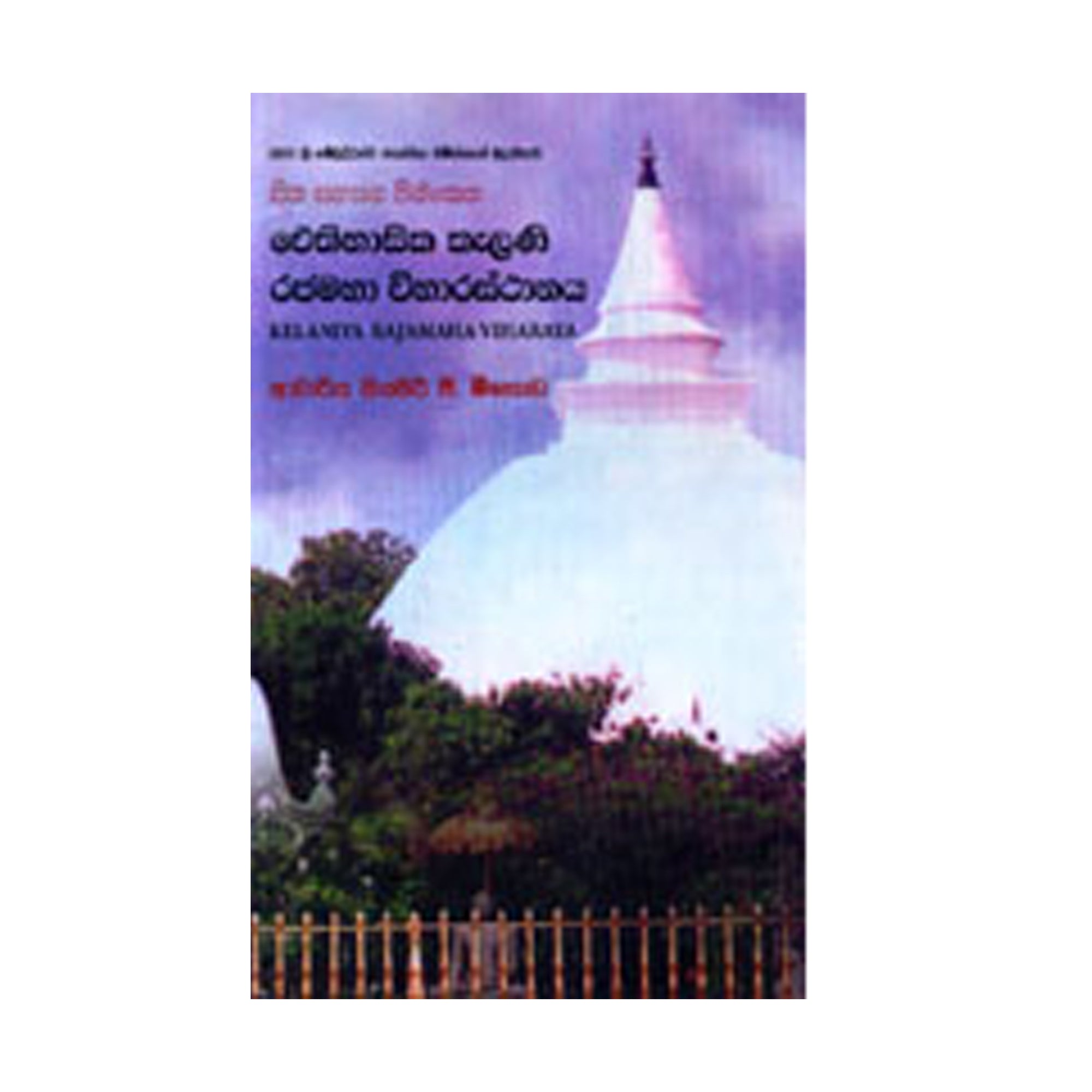
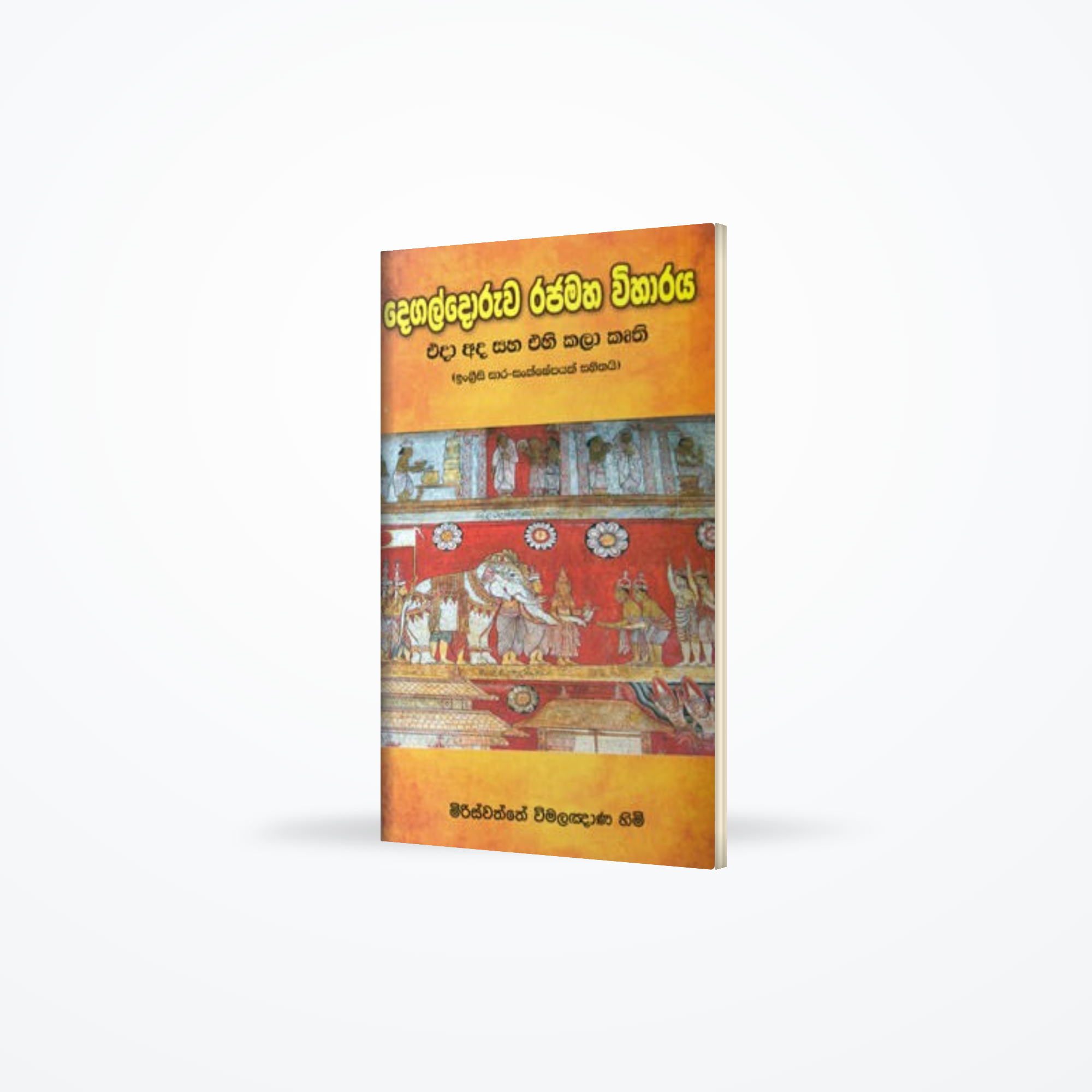
Sapugaskanda Viharaya is a Buddhist temple of quiet significance situated in the western lowlands of Sri Lanka, not far from the greater Colombo metropolitan area. Although less publicised than the island's grand pilgrimage destinations, it draws a steady stream of devout worshippers and curious visitors who appreciate its calm atmosphere, traditional architecture, and genuine spiritual atmosphere. For travellers who want to look beyond the well-worn temple circuit, a visit here offers an authentic encounter with living Buddhist practice in Sri Lanka.
What is the history of Sapugaskanda Viharaya?
The temple's name derives from the Sinhala words sapugas — referring to the champak tree (Michelia champaca), which is associated with Buddhist and Hindu devotion across South Asia — and kanda, meaning hill or rocky outcrop. Temples built on elevated ground have long held a special place in Theravada Buddhist tradition in Sri Lanka, as the height is seen as symbolically drawing the faithful closer to the dhamma.
Like many of the island's smaller viharayas, Sapugaskanda's origins are intertwined with the patronage of local chieftains and lay communities over many centuries. The temple has been renovated and extended across different periods, so its current structures reflect a layered architectural heritage rather than a single historical moment. Murals, image houses, and stupas on the grounds each carry their own stories, and resident monks are generally willing to speak about the temple's traditions with respectful visitors.
What can you see and do at Sapugaskanda Viharaya?
The temple complex typically includes a vihara geya (image house), a stupa, and a bodhi tree enclosure — the three elements at the heart of any traditional Sri Lankan Buddhist temple. Visitors may observe or participate in ritual offerings of flowers, oil lamps, and incense at the main shrine. The image house is likely to contain reclining, seated, and standing Buddha figures, often set against a backdrop of painted murals depicting Jataka tales and events from the life of the Buddha.
- Puja observances: Morning and evening puja rituals fill the temple with the sound of chanting. Attending one, even briefly, is considered perfectly acceptable for non-Buddhist visitors who are respectful and quiet.
- Dhamma activities: Many community temples of this type host Dhamma School classes for children on weekends, and sil observance days on full-moon poya days, when the grounds become especially lively.
- Bodhi tree veneration: The sacred fig tree is a focal point for personal prayer. Visitors typically tie a white thread or place flowers at the base as an offering.
- Grounds and greenery: The surrounding trees and garden offer a peaceful contrast to the busier areas of the western province.
When is the best time to visit Sapugaskanda Viharaya?
The temple is open to visitors throughout the year. The most atmospheric time to visit is during a poya (full-moon) day, when white-clad devotees gather in larger numbers, the shrines are elaborately decorated, and communal chanting continues through the day. Sri Lanka's full-moon days follow the lunar calendar, with particularly important ones including Vesak (April/May) and Poson (June).
If you prefer a quieter visit — better for taking in the murals and architecture without crowds — a weekday morning is ideal. Dress modestly (shoulders and knees covered), remove footwear before entering shrines, and avoid pointing feet towards Buddha images.
How do I get to Sapugaskanda Viharaya from Colombo?
Sapugaskanda Viharaya is located within the western province, making it accessible as a half-day excursion from Colombo. The most comfortable option is a private car or taxi, which allows you to set your own pace and combine the visit with nearby attractions. Public buses serve the broader area, though routes and stops require local knowledge to navigate efficiently.
If you are building a wider itinerary, the temple sits conveniently close to Iranawila Rajamaha Viharaya and is within reasonable distance of the Colombo city tour circuit, making it easy to pair with other western province highlights in a single day.
What should visitors know before going?
Sapugaskanda Viharaya is an active place of worship, not a tourist monument. The courtesies that apply at any Buddhist temple in Sri Lanka are especially relevant here:
- Wear clothing that covers shoulders and knees. Loose-fitting light fabrics work well in the tropical climate.
- Remove shoes and hats before entering any shrine room or the area immediately around the stupa.
- Speak quietly and avoid using flash photography inside image houses without checking whether it is permitted.
- Ask before photographing monks or religious ceremonies.
- Do not turn your back on Buddha images when stepping away — move to the side instead.
There is no formal entry fee for this community temple, though donations to the temple fund are welcomed. Small shops or vendors near the entrance typically sell offerings such as lotus flowers and incense that you can present at the shrine.
How does Sapugaskanda Viharaya compare to other temples in the area?
The western province is rich in Buddhist heritage. Well-known temples such as Attanagalla Raja Maha Viharaya draw large crowds, while places like Sapugaskanda offer a more contemplative experience. The temple's approachable scale means you can spend time in genuine engagement with the space rather than moving through it quickly with a tour group. Travellers who have already visited the Kelaniya Raja Maha Viharaya and are looking for a complementary — but distinctly quieter — temple experience often find Sapugaskanda a rewarding choice.
Is Sapugaskanda Viharaya suitable for families and children?
Yes, though children should be guided on the basic courtesies of temple visits beforehand. Many Sri Lankan families visit community temples together, so young visitors are a normal and welcome presence. The grounds generally offer enough open space for children to move around between shrine visits without disruption. Visiting during a poya day can also be an engaging cultural experience for children who are curious about ritual and community life.
Nearby places
12 places within about 25 km, nearest first.
- Water World Aquarium & Bird Park1 km
- Enderamulla Railway Station1 km
- Bulugahagoda Railway Station2 km
- Magalegoda Railway Station2 km
- Henarathgoda Botanical Garden2 km
- Gampaha City3 km
- Gampaha Railway Station3 km
- Walpola Railway Station3 km
- Batuwatte Railway Station3 km
- Alpitiya4 km
- Bemmulla Railway Station4 km
- Ganemulla Railway Station4 km
Related reading
2 pages on closely related subjects.