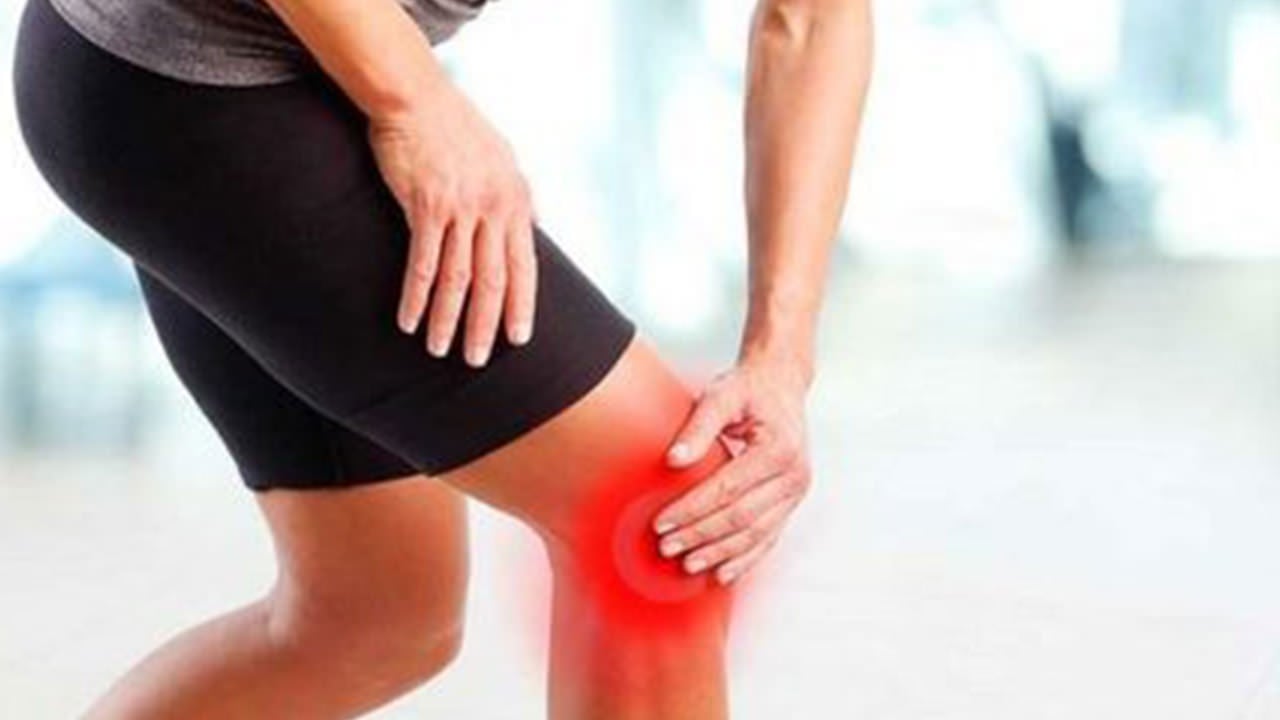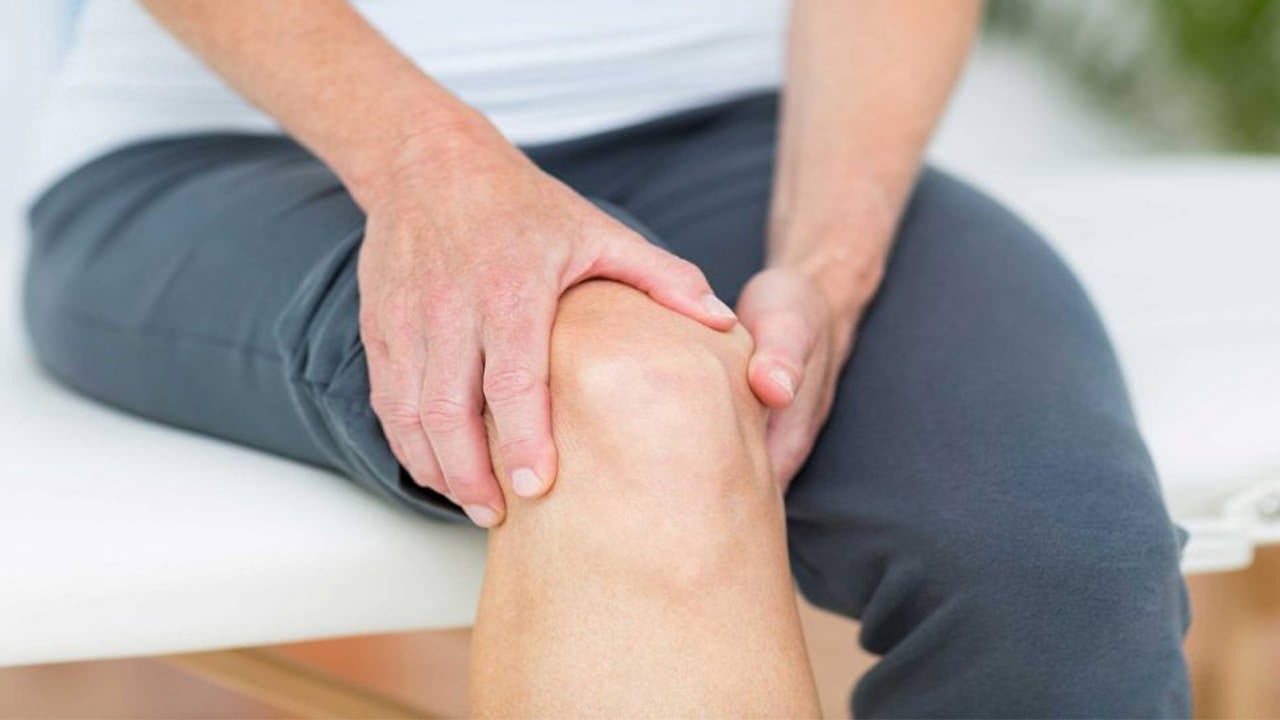
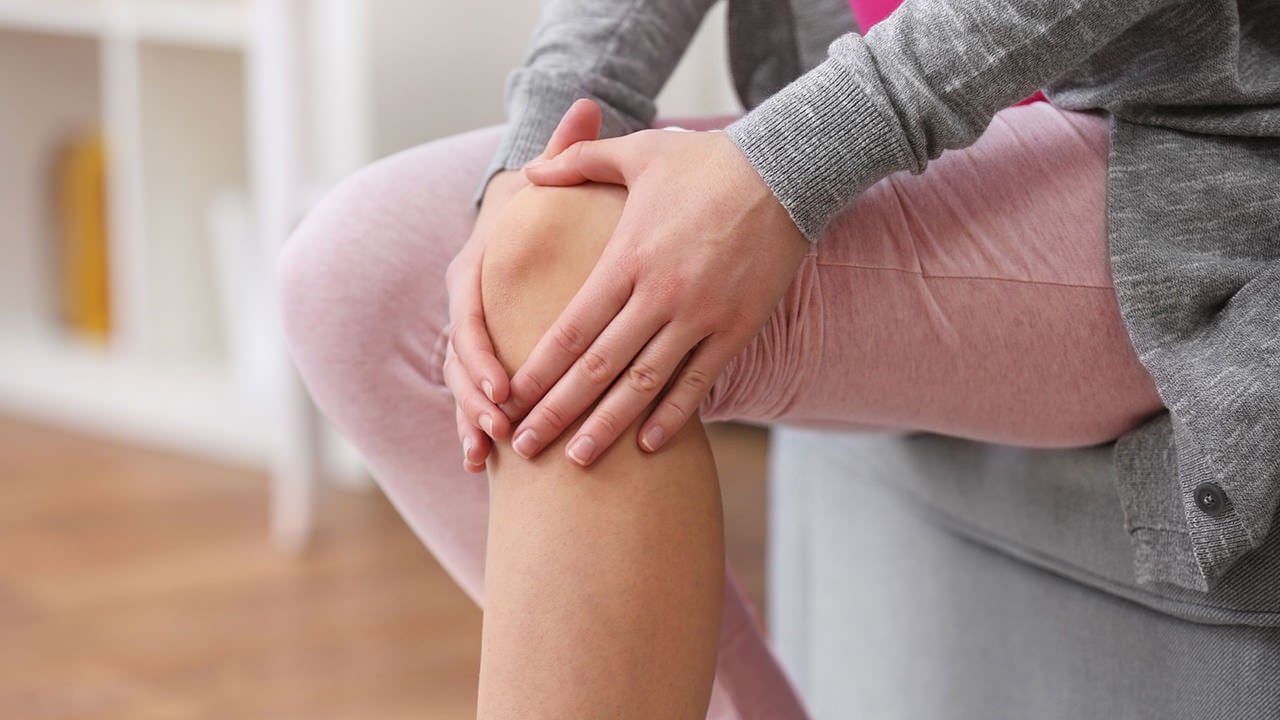
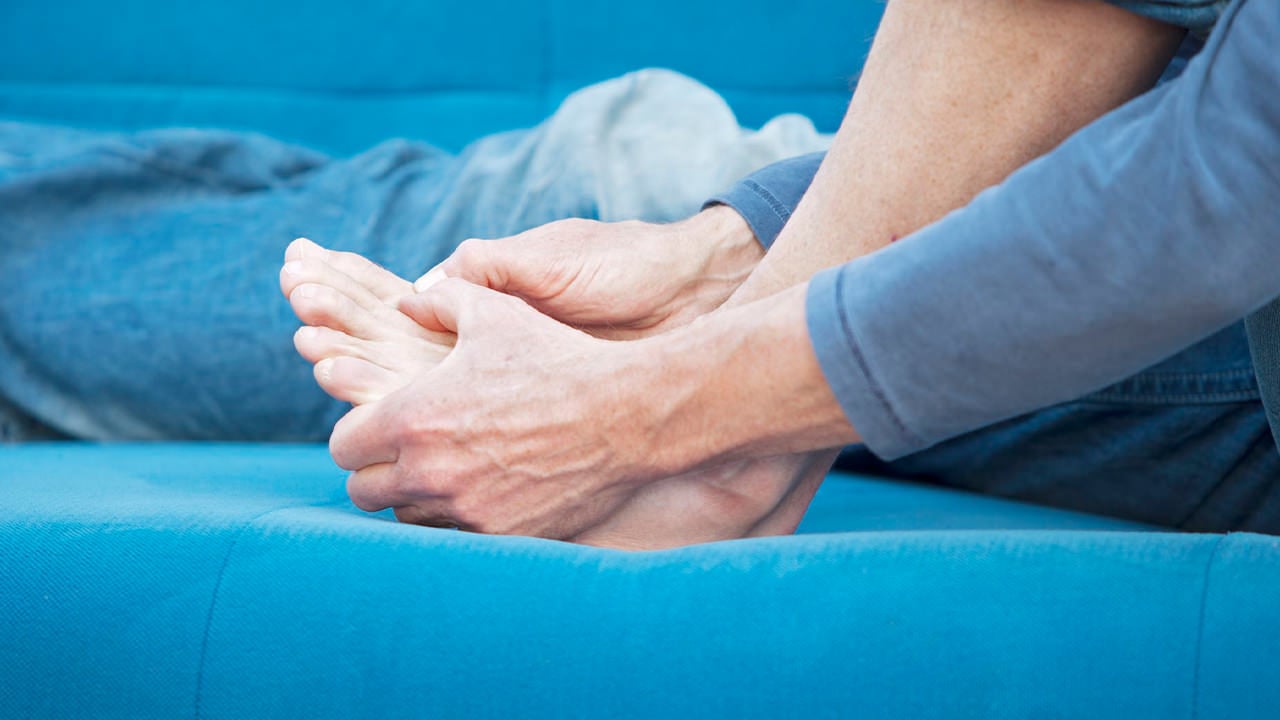
Rheumatic discomfort is a broad term covering persistent or recurring pain that affects the joints, muscles, tendons, and other connective tissues. Rather than describing a single disease, it serves as an umbrella for more than 200 distinct conditions — from well-known forms of arthritis to lesser-known soft-tissue disorders. Understanding its scope helps sufferers seek more targeted care and make better-informed lifestyle choices.
What exactly is rheumatic discomfort?
The word rheumatism derives from the Greek rheuma, meaning a flowing or discharge, reflecting older beliefs about the movement of pain through the body. Today it is used clinically to describe any condition producing chronic, often intermittent pain in the musculoskeletal system. Two broad categories exist:
- Articular conditions — those directly involving the joints, such as osteoarthritis, rheumatoid arthritis, and gout.
- Non-articular (soft-tissue) conditions — sometimes called regional pain syndrome, these affect muscles, tendons, bursae, and ligaments rather than the joint itself. Fibromyalgia, tendinitis, and bursitis fall here.
There is considerable clinical overlap between these two categories, and many patients experience features of both simultaneously.
What causes rheumatic conditions?
Causes vary considerably across the spectrum of rheumatic disorders. Autoimmune processes drive conditions such as rheumatoid arthritis and lupus, where the immune system mistakenly attacks healthy tissue. Degenerative wear-and-tear underlies osteoarthritis, particularly in older adults and people whose work or sport involves repetitive joint loading.
Historically, infectious diseases played a substantial and often unrecognised role. Reactive arthritis (postinfectious arthritis) develops days to weeks after a bacterial infection elsewhere in the body. Rheumatic fever, triggered by untreated streptococcal throat infection, can permanently damage heart valves as well as joints. Vector-borne and fungal infections have also been implicated: Lyme disease, chikungunya, and coccidioidomycosis (valley fever) all produce joint pain that was misunderstood for centuries because the infectious origin was unknown until the 20th century.
Other contributing factors commonly discussed in the clinical literature include:
- Genetic predisposition (certain HLA gene variants increase susceptibility to inflammatory arthritis)
- Hormonal factors — many autoimmune rheumatic diseases are more prevalent in women
- Obesity, which increases mechanical load on weight-bearing joints
- Sedentary lifestyle and poor posture
- Nutritional deficiencies, particularly vitamin D and omega-3 fatty acids
How is rheumatic discomfort typically managed?
Conventional medicine approaches rheumatic conditions through a combination of pharmacological therapy (anti-inflammatory drugs, disease-modifying agents, biologics) and non-pharmacological interventions such as physiotherapy, hydrotherapy, and occupational therapy. The goal is generally to reduce pain, preserve function, and slow disease progression rather than to achieve an outright cure.
Lifestyle modifications consistently recommended alongside medical treatment include maintaining a healthy body weight, undertaking low-impact exercise (swimming, walking, cycling), and following an anti-inflammatory diet rich in vegetables, oily fish, and whole grains.
What role does Ayurveda play in managing rheumatic discomfort?
Sri Lanka has a long and well-documented tradition of Ayurvedic medicine, with rheumatic conditions — known in Sinhala-language texts as vatharogas (disorders attributed to the vata dosha) — among the most commonly treated complaints. Ayurvedic practitioners use a combination of herbal preparations, dietary guidance, and therapeutic procedures such as abhyanga (oil massage) and swedana (herbal steam therapy) to address the underlying imbalance believed to generate joint and muscle pain.
Several traditional preparations used in this context are documented within Lakpura's herbal content library. Yogaraja Guggulu is a classical formulation well-regarded in Ayurvedic practice for musculoskeletal and joint complaints. Kaishore Guggulu is another guggulu-based compound often prescribed for inflammatory joint conditions associated with elevated pitta. Both contain resin from the Commiphora wightii plant alongside multiple co-ingredients.
Plant-based ingredients found in Sri Lanka's biodiversity also feature prominently. Ceylon black pepper (Piper nigrum) contains piperine, a compound studied for its potential to enhance bioavailability of other therapeutic agents and for its own mild anti-inflammatory properties. Syzygium aromaticum (clove) yields eugenol, which laboratory studies have shown to inhibit inflammatory mediators. Acacia chundra is used in several traditional formulations targeting joint inflammation and is native to dry-zone Sri Lanka. Pongamia pinnata seed oil has a history of topical application for rheumatic pain in both Ayurvedic and Siddha traditions.
It is important to note that while many of these preparations have a long history of traditional use and some promising preliminary research, large-scale clinical trials supporting their efficacy remain limited. Patients should consult a qualified practitioner before beginning any Ayurvedic regimen, particularly if they are already taking prescription medications.
When should someone seek medical advice for joint or muscle pain?
Not all joint or muscle pain represents a serious rheumatic condition. Transient aches after unaccustomed exercise, minor sprains, or short-lived viral illnesses are common and typically resolve without intervention. However, certain warning signs warrant prompt medical assessment:
- Persistent swelling, warmth, or redness around a joint
- Morning stiffness lasting more than 30 minutes
- Symmetrical joint involvement (both wrists, both knees simultaneously)
- Systemic symptoms such as unexplained fever, fatigue, or unintended weight loss accompanying joint pain
- Joint pain following a tick bite, skin rash, or recent infection
- Rapidly worsening pain or loss of joint function
Early diagnosis matters significantly in inflammatory rheumatic diseases. Conditions such as rheumatoid arthritis cause progressive joint damage that is far easier to prevent than to reverse, and modern disease-modifying treatments are most effective when started early.
Can travel to Sri Lanka support recovery from rheumatic discomfort?
Sri Lanka has become a recognised destination for wellness tourism, with a growing number of Ayurvedic resorts offering residential treatment programmes specifically targeting musculoskeletal conditions. The island's warm tropical climate — which many rheumatic patients find eases stiffness — combined with access to experienced Ayurvedic physicians and a rich local pharmacopoeia makes it an attractive option for those seeking integrative care alongside conventional treatment.
Guests considering this kind of visit benefit from working with a destination management company familiar with the local wellness landscape, to ensure reputable facilities are selected and programmes are appropriate for their specific condition. Those interested in yoga as a complementary practice for joint mobility may also find Sri Lanka's growing range of yoga tours relevant to their wellbeing goals.